In defence of lying to your friends (when it's a game)
Why bluffing, betrayal, and a well-timed reveal make game night with friends so much fun.
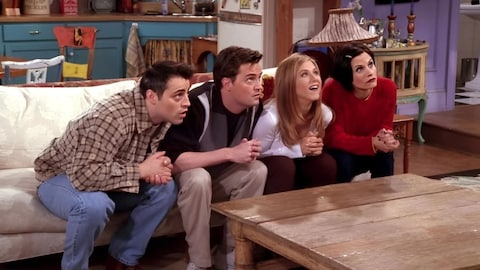
You've probably accused a perfectly innocent friend of being a liar, watched someone you trust convince an entire room of people that you're the villain, or been voted out of a game before you even had a chance to defend yourself. And yet, by the end of the night, everyone's laughing, ordering food, and planning the next game night.
It's a strange little paradox. We spend most of our lives expecting honesty from the people around us, so why do we willingly put our friendships through a series of lies, accusations and elaborate betrayals for fun? And why does being fooled by someone you love sometimes make the game even better?
Fibbing, with permission
The secret is consent. "A lie does not exist in isolation," says Bhupendra Chaudhary, philosopher-scientist, and author. What it means depends on what everyone has agreed to. At game night, everyone has signed up for bluffing, and the truth is guaranteed a grand reveal at the end.
Educational psychologist Saadgi Malhotra says the game quietly rewrites what honesty means. Picture a friend fooling you all night, then unmasking herself as the saboteur. "Both might burst out laughing, because they understand why it happened," says Malhotra.
The bonus? You discover your friend can fool you brilliantly and still be someone you trust. It isn't about always hearing the truth. It's about handling uncertainty without panicking.
The gasp, followed by giggles
The reveal that comes at the end of the game is what gets everyone talking. First, they gasp, then they giggle, turning the last hour into a story you'll retell for months.
That giggle may be doing real work. Something that seems wrong turns funny when it is also harmless. A friend's operatic betrayal fits perfectly, provided everyone is in on the joke. Chaudhary reaches for sociologist Émile Durkheim's "collective effervescence", the buzz of feeling things together.
Krystle D'Souza and Rida Tharana gave us a particularly dramatic example on The Traitors India Season 2. After an entire season of deception, Krystle had one last chance to betray her partner and walk away with the ₹66 lakh prize. Instead, she backed Rida, and the two Traitors walked away as winners. In a game built on betrayal, loyalty won.
The first season offered another interesting twist. Nikita Luther was exiled in episode one, returned in episode three, turned down an offer to join the Traitors, and won alongside Uorfi Javed. The two Innocents won ₹70.05 lakh, with Uorfi choosing to give her share of the winnings to Nikita.
Now the caveat, and both experts are firm about it: none of this research studied deception games, and nobody can yet promise that a post-game chat repairs trust. The test is simple. Are you laughing with someone, or at them?
Who's the real you at the table?
Who goes quiet when the group turns on them? Who gets giddy about persuading? Who dodges a fight at all costs? A game can show you.
Chaudhary has an interesting question: why did we trust one person instantly and doubt another? Was it evidence, or a picture we had already painted?
Don't mistake a costume for a character. Malhotra says behaviour comes from the person and the situation together. A convincing villain isn't necessarily revealing a hidden one. Sometimes, she says, they're simply playing the role very well.
When the joke stops being funny
Every game night has a line. Cross it, and accusations stop feeling like gameplay and start feeling like a verdict. Picture the friend who already fears being left out, voted against every round while everyone laughs. Researchers find that even being shut out of a simple virtual game can dent our sense of belonging.
The experts' house rules? Agree on boundaries first. Roast the play, not the person. Anyone can sit out. No guilt trips. If someone goes quiet, check in privately. If a line was crossed, own it. "Just a joke" doesn't count.
What matters is whether friends stay curious about each other once the rules stop protecting them. So go ahead and bluff your best friend. Just make sure you're both laughing when the lights come on.
Lead image credit: IMDb
Also read: Why female friendship is the ultimate middle finger to the patriarchy
Also read: Why everyone needs a 'doorbell friend' in their late 20s