
Has the pilates body warped our idea of self-image?
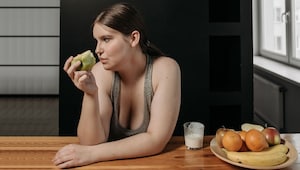
Instagram sold us a fantasy: A body that’s lean and permanently holding a matcha. But behind the obsession lies a bigger question—when did looking ’fit’ become more important than actually being healthy?

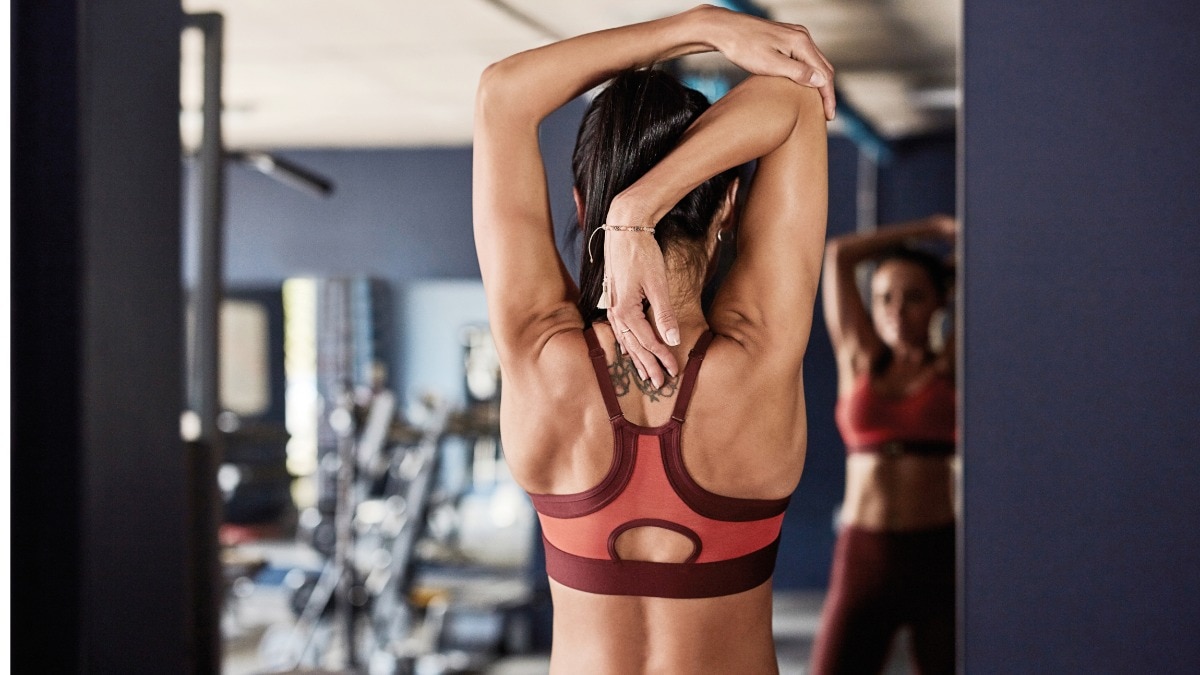
Back in the day, fitness was a relatively simple affair. It was your mum’s evening walk. Your dad’s Sunday badminton game. The aunt who attended yoga classes in the local park, not because anyone was watching, but because her knees hurt less afterwards. Exercise was woven into everyday life rather than curated for an audience. Then the internet happened. Somewhere between #ThatGirl morning routines, mirror selfies, and celebrity sightings at Pilates classes, fitness stopped being something you did for yourself and became a performance for others to see. More recently, the body positivity pendulum seems to have swung. Size zero is back in fashion, except this time it arrives wrapped in the language of wellness.
Performative fitness
The irony is that Pilates itself was never designed to create an aspirational body type. Joseph Pilates developed the method as a system for rehabilitation and functional strength, built around alignment, breath, balance, and control. The transformation didn’t happen because Pilates changed. It happened because wellness itself became visual.
Today, health isn’t simply movement. It’s stainless steel water bottles, 20g protein yoghurt, immaculate reformer studios flooded with natural light, matching activewear, ceremonial matcha, Oura rings, and more. French philosopher Jean Baudrillard argued that we increasingly consume symbols rather than reality. Scroll through Instagram long enough and it’s hard not to feel that we’ve done exactly that with wellness. “The cold plunge, the retreat, the ‘I don’t drink anymore’, the Whoop/Oura on your wrist, the padel court you’ve booked, the brands behind the gym sets you wear—these are statements as much as they are practices,” says Akshat Rajan, 28, founder of studio space and wellness ritual brand Akiko Wellness.
“They communicate a certain kind of self-investment, socio-economic position, a certain tribe.” Wellness has become a social language. The routines we adopt increasingly communicate who we are, what we value, and perhaps who we aspire to be. However, Rajan also asks the question sitting at the heart of modern fitness culture: Am I doing this to feel better, or to be seen doing it?
Beyond the aesthetics
Of course, aspirational fitness isn’t new. Actor Jane Fonda had workout tapes. The ’90s had ‘heroin chic’. The 2010s gave us thigh gaps, detox teas, and “strong is the new skinny.” Every decade invents its own impossible body. Ours simply arrives wearing Pilates socks. “The ‘Pilates body’ isn’t actually a health marker. It’s an aesthetic ideal. We’ve become very good at packaging aesthetic ideals as wellness goals,” says Raashi Chowdhury, 42, founder and chief nutritionist at Nutrition In Sync. Clients don’t walk into her clinic asking to become thin. They talk about fatigue, digestive issues, irregular periods, fertility struggles, poor sleep, brain fog, and simply not feeling like themselves anymore. “The body goal is often standing in for a deeper need. Once we address the underlying issue, people usually realise they were chasing a feeling, not a number,” she adds.
Social media has made movement more accessible than ever before. Women who may never have stepped into a traditional gym are trying Pilates, strength training, spin classes, and dance workouts because they first encountered them online. But, the same platforms also introduced relentless comparison. For content creator Taneesha Mirwani, 24, that scrutiny is constant. “If there’s even a slight weight increase or any change in my appearance, I get called out. I’ve been shamed for not ‘taking care of myself’ when my weight has fluctuated.” Ironically, it was only after she stopped chasing aesthetics that she began enjoying exercise.
Somewhere beneath the aesthetic pressure lies a much simpler reason to move. “Success in the gym shouldn’t be measured solely by how you look. It should also be measured by how strong you are, how well you move, and whether you’re making progress relative to where you started,” says Sohrab Khushrushahi, 43, founder of SohFit & FuncLab. “Aesthetics is often a by-product of doing the right things consistently. If aesthetics becomes the only goal, people tend to make short-term decisions that aren’t sustainable.”
The 'why' of it all
In our 20s, movement is often intertwined with identity. It helps us feel attractive, confident, or socially accepted. “Fitness has become a space that grounds me rather than something tied to a specific aesthetic goal,” says Jenaya Desai, 24, marketing manager at Gaurav Gupta Couture. “A realistic fitness routine works around your life, not the other way around.” By our 40s, annual health reports begin carrying more emotional weight than bathroom scales. For Gauri Devidayal, 45, director and co-founder of Food Matters Group, it wasn’t appearance that transformed her relationship with fitness: “Some of my markers were off in my report a year ago. That’s when I really woke up and took my health, fitness, and diet more seriously.”
Wearables now tell us everything from sleep quality to recovery scores. Used wisely, they’re remarkable tools. Used obsessively, they risk becoming another external authority. “The moment your Oura or Whoop score determines your mood before you’ve even gotten out of bed, the tool is running you,” Rajan says. “You’ve just replaced the Men’s Health cover with a dashboard.”
Perhaps the healthiest metrics remain the least measurable. Do you wake up rested? Can you dance at weddings? Can you say yes to a spontaneous trek? Can you enjoy dinner with friends without mentally calculating how many burpees you’ll need tomorrow? None of these moments generate viral content. Yet, they probably reveal more about health than any mirror ever could.
This article originally appeared in Cosmopolitan India's July-August 2026 print issue.
Image credits: Getty Images
Also read: Tired of monsoon breakouts? These skincare heroes have your back
Also read: Why we're done chasing beauty standards that were never made for us
more from Beauty
Hair spa treatments to book when your hair needs a little extra TLC
Is gallic acid the next big thing in brightening skincare?
The juicy jewel-tones that your nails need right now
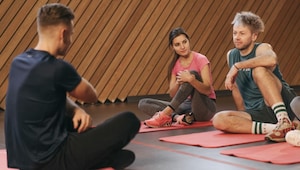
Gen Z is obsessed with wellness—so why are healthy habits still so hard to maintain?
Rehearsing life with Rukmini Vasanth
Kalyani Priyadarshan is ready to take over
Krithi Shetty is your new best friend

Type 3 fun, sunrise views and benne dosa: a Gen Z cheat day checklist
The biggest bridal diet mistakes nutritionists wish women would stop making
Vikrant Massey is finding his way home