
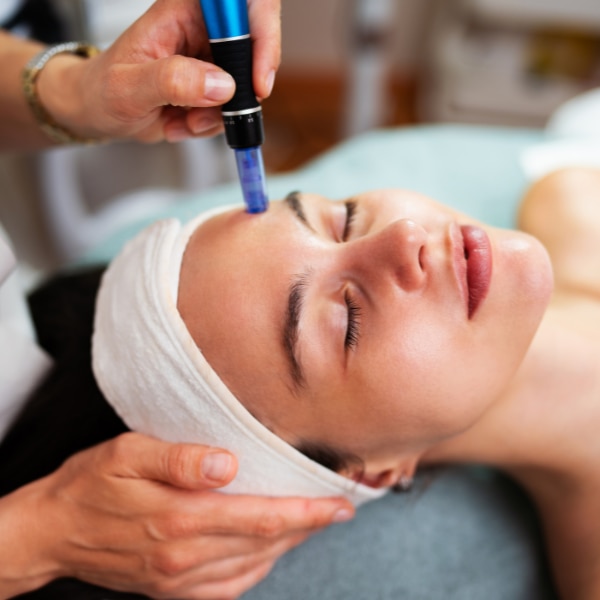
Why overdoing beauty treatments can age-even the most on-trend skin?
In the age of tweakments, here’s why restraint might be the ultimate luxury.

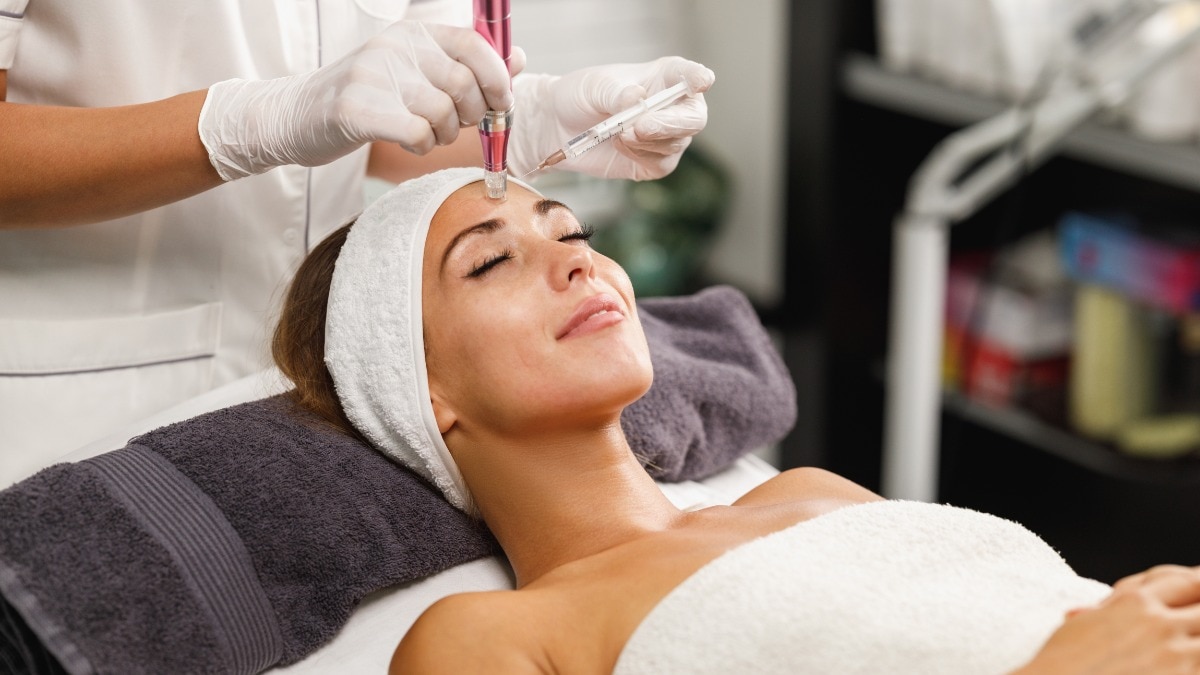
In a culture where luminous skin is often synonymous with success, discipline, and self-care, aesthetic treatments have evolved from indulgence to routine. Laser facials promise radiance in an hour. Chemical peels pledge renewal. Injectables sculpt, lift, and smooth with clinical precision. Modern beauty offers what seems like instant age reversal: quick, effective, almost effortless. Yet beneath this glossy surface, a quieter question lingers: Can too much intervention make skin look older instead of younger?
Dr Akanksha Agarwal, founder-director and head of aesthetic services, centre for aesthetics shares her insights.
The skin has a memory
Skin is remarkably intelligent. It repairs, regenerates, and adapts. But it is not indestructible. Every peel, laser session, or injectable works by creating a controlled injury, prompting the skin to heal and rebuild. “That healing phase is where the magic happens: fresh collagen, improved texture, renewed glow. However, when procedures are layered too frequently or performed without adequate recovery time, the skin never truly resets,” says Dr Agarwal.
Instead of rejuvenation, it slips into chronic inflammation. And inflammation quietly erodes what we are trying to preserve, like collagen and elastin—the fibres responsible for firmness, elasticity, and youthful bounce. Over time, the skin may appear thinner, more fragile, and reactive. Fine lines deepen. Redness lingers. Sensitivity increases. Ironically, the very treatments meant to reverse ageing are what begin to accelerate it.
Barrier damage: The silent agitator
The most overlooked casualty of over-treatment is the skin barrier, a delicate, invisible shield that protects against pollution, bacteria, and moisture loss. “Frequent exfoliation, aggressive resurfacing, and harsh actives can gradually strip this protective layer away. When the barrier weakens, skin struggles to hold hydration. It starts to look dull, crepey, and uneven. What many interpret as “ageing” is often simply exhausted skin,” she says. And to fix it, people pursue more treatments, which unknowingly deepen the cycle. Healthy skin is not over-processed. It is calm, resilient, and well-nourished, according to Dr Agarwal.
The injectable paradox
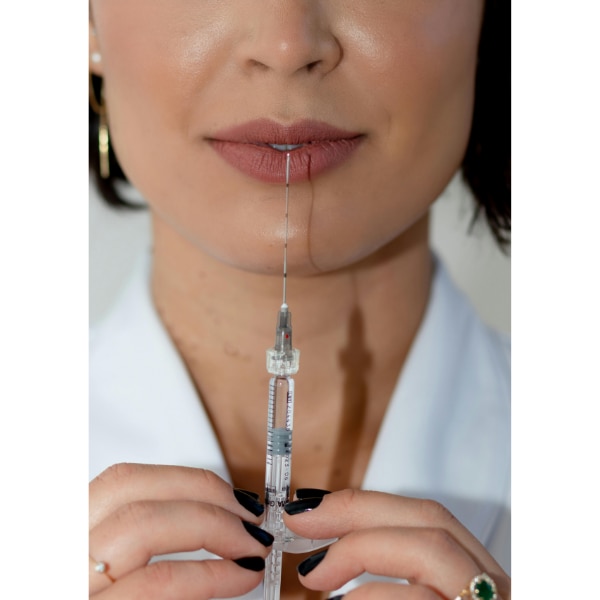
Injectables are among the most transformative tools in modern aesthetics when approached with restraint. “A touch of filler can restore harmony. A hint of muscle relaxation can soften expression lines. When done well, the results are invisible. You simply look rested, refined, and luminous.” But excess tells a different story. Overfilling stretches tissues unnaturally. Repeated volume expansion can lead to heaviness or laxity once the product dissolves. Similarly, excessive muscle-relaxing injections may weaken natural movement, creating stiffness rather than softness. The face loses its vitality. And nothing ages elegance faster than looking artificial. Luxury beauty has always been subtle. The best work is the kind no one notices.
Chasing trends over skin needs
Today’s skincare landscape is driven by trends, viral “glass skin,” monthly lasers, influencer routines that promise perfection. But skin is deeply individual. A 25-year-old’s needs are not the same as someone in their 40s or 50s. Agarwal says, “Genetics, lifestyle, stress, and environment all play a role. Treating every face with the same aggressive protocol ignores biology. Skin does not need constant correction. It needs thoughtful care.”
When less becomes more
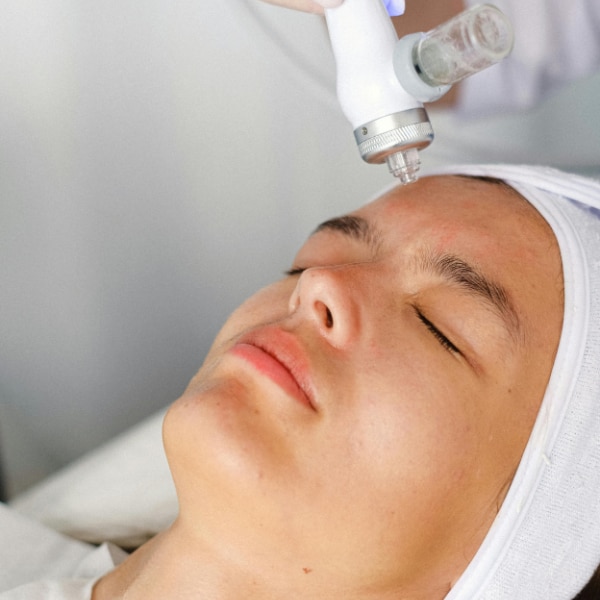
True longevity cannot be injected or resurfaced overnight. It is built quietly—through daily sun protection, restorative sleep, hydration, balanced nutrition, and stress control. These habits support collagen far more sustainably than any quick fix. Experts now advocate spacing treatments, choosing gentle maintenance over dramatic overhauls, and allowing the skin to heal naturally. “Often, the most visible improvement happens when we simply step back. Because rested skin glows differently,” Agarwal concludes.
Lead image credit: Getty Images
Inside images: Pexels
Also read: Are your regular beauty habits compromising your skin’s longevity?
Also read: Are your regular beauty habits compromising your skin’s longevity?
Comment
more from Beauty

Meet anti-blush, stained glass lips, and 4 other trending makeup looks for fall

I deleted Instagram for two months and forgot what was wrong with my face

How to make the lingerie-as-outerwear trend work for your wardrobe

Are you and your partner having mercy sex? This is how sex expectations can damage relationships

Welcome to emotionships—where you have feelings but no relationship status

Why advent calendar unboxing videos are my favourite kind of holiday content

Dear universe, when am I going to get a boyfriend?

Inside the sexual fantasy forums where women share their deepest desires

Are you too independent to be loved?

We know what a healthy relationship looks like, so why do we keep making excuses for the unhealthy ones?