
A Beginner's Guide to Drinking (And Appreciating) Wine
Global Brand Ambassador and Vice President of Tastings at Sula Vineyards, Gregoire Verdin elucidates the art of drinking wine—its nuances, types, storage, and perfect food pairings.


Sweet, spicy, subtle or robust—the art of drinking (and cherishing) wine, begins with acquainting yourself with the minutest of details about the alcoholic beverage.
In case you're a wine-virgin, or haven't ever felt the need to educate yourself about the drink prepared with the fermented juice of grapes, now is your chance to soak up all that there is to know!
From navigating the different types of wines to exploring all palatable food pairings, wine connoisseur Gregoire Verdin gives you the lowdown.

Types of Wine
Browsing through stocked shelves of wines may be a little daunting—with the added concern of feeling entirely confused. If you're struggling to pick the perfect wine for a soirée, begin by understanding the options available to you: red, white, rosé, or sparkling/still. Now, you may pick from one or more of the categories, or offer an abundance from each category. Ultimately, it all boils down to what you're in the mood for. However, if you feel overwhelmed, pick a versatile wine in keeping with the Indian weather. Gregoire recommends a warm, climate style, lightly-oaked Chardonnay from Nashik, with refined lemon and honey notes.
The Devil is in the Details
Reading a wine label can be a tricky affair, but an eye for detail goes a long way. "Quite often, the grape varietal(s) will be mentioned, as well as the type of wine (sparkling/still, red, white, or rosé). In addition, information about the region where the wine comes from, the producer, the sweetness, will all come handy in making an informed choice," explains Gregoire.
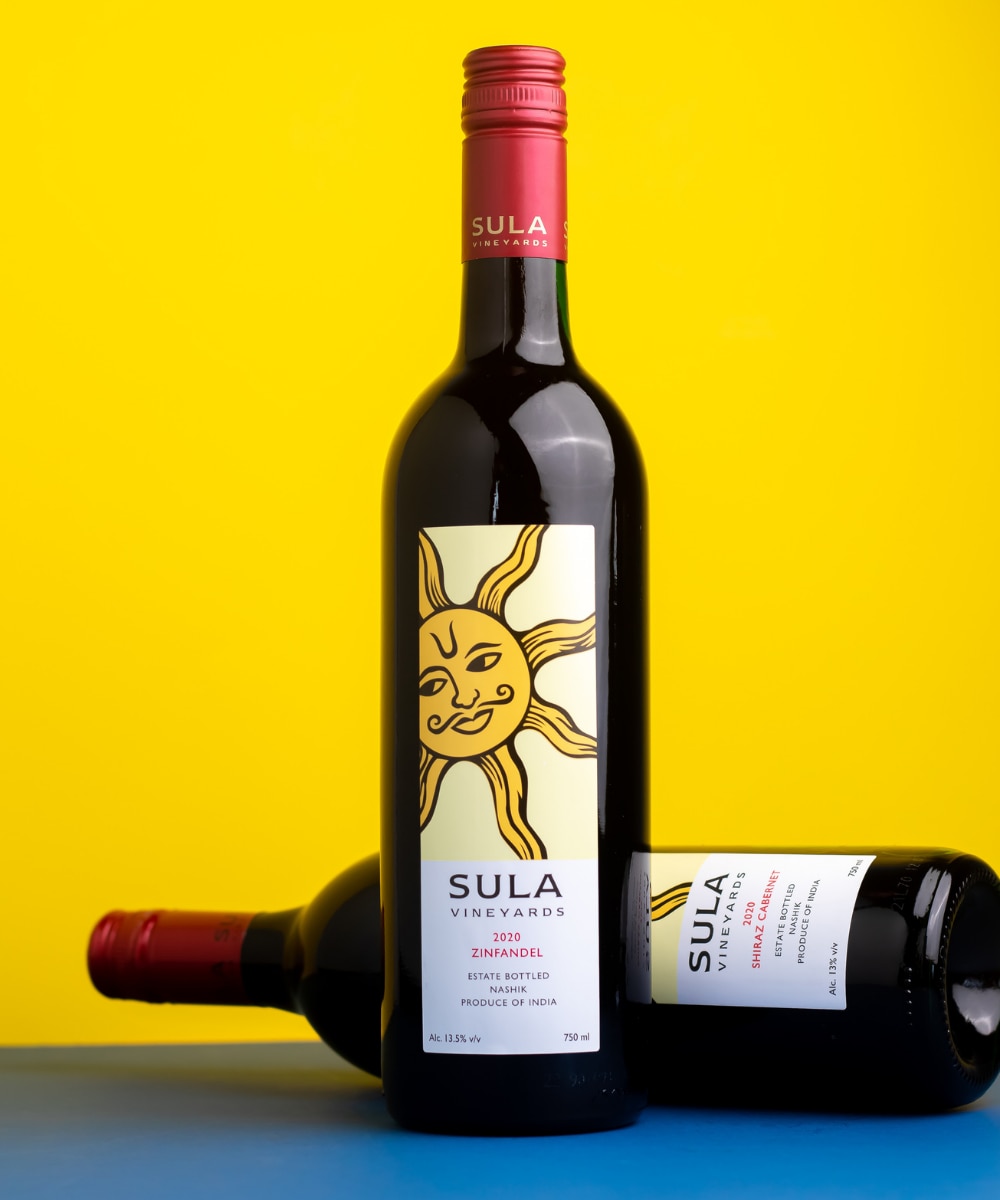
For instance, on a bottle of 'The Source Grenache rosé' the following is mentioned: On the front label is the producer ('The Source'), where it is coming from ('Nashik'), the grape varietal ('Grenache'), the type ('rosé'), and the ABV ('12.5%'). And, on the back label you can identify the sweetness ('dry wine'). Thereby, remember to give the wine bottle label a good glance!
Wine Storage at Home
Now that you’ve chosen your desired wine, it's a great idea to pop it in the fridge for a tad bit. The temperature has a profound impact on the fizziness of the beverage. "Wine must be consumed at the perfect temperature. For starters, sparkling wine should be consumed at 4 to 7 degrees, whites at 6 to 12 degrees, and reds at 12 to 18 degrees. Do not forget that sweeter wines are always better consumed cold; the same goes for sparkling wines," informs Gregoire.
Once you have opened a bottle, store it in the fridge—in a horizontal position if it is a wine with a cork. If it’s a screw cap, it doesn’t really matter. If it is a sparkling wine, use a champagne stopper to store the remaining content—if the fizziness dissipates, your wine won't be good anymore. Hence, try to consume it within 2 to 3 days. Once the wine is stored in you refrigerator, it can be consumed for several months!
Picking the Perfect Glass
"I am often asked about the relevance of wine glasses for drinking, and here’s what I suggest—you can drink wine in any glass! However, using the right glass just elevates the overall experience. For all bubbly wines, pick a glass that has a narrow opening to trap the fizzy fun. For whites, pick a glass with a smaller belly that will help trap the aromas. Whereas, for reds, a large bowl for swirling the wine to catch its sensual fragrance," says Gregoire.
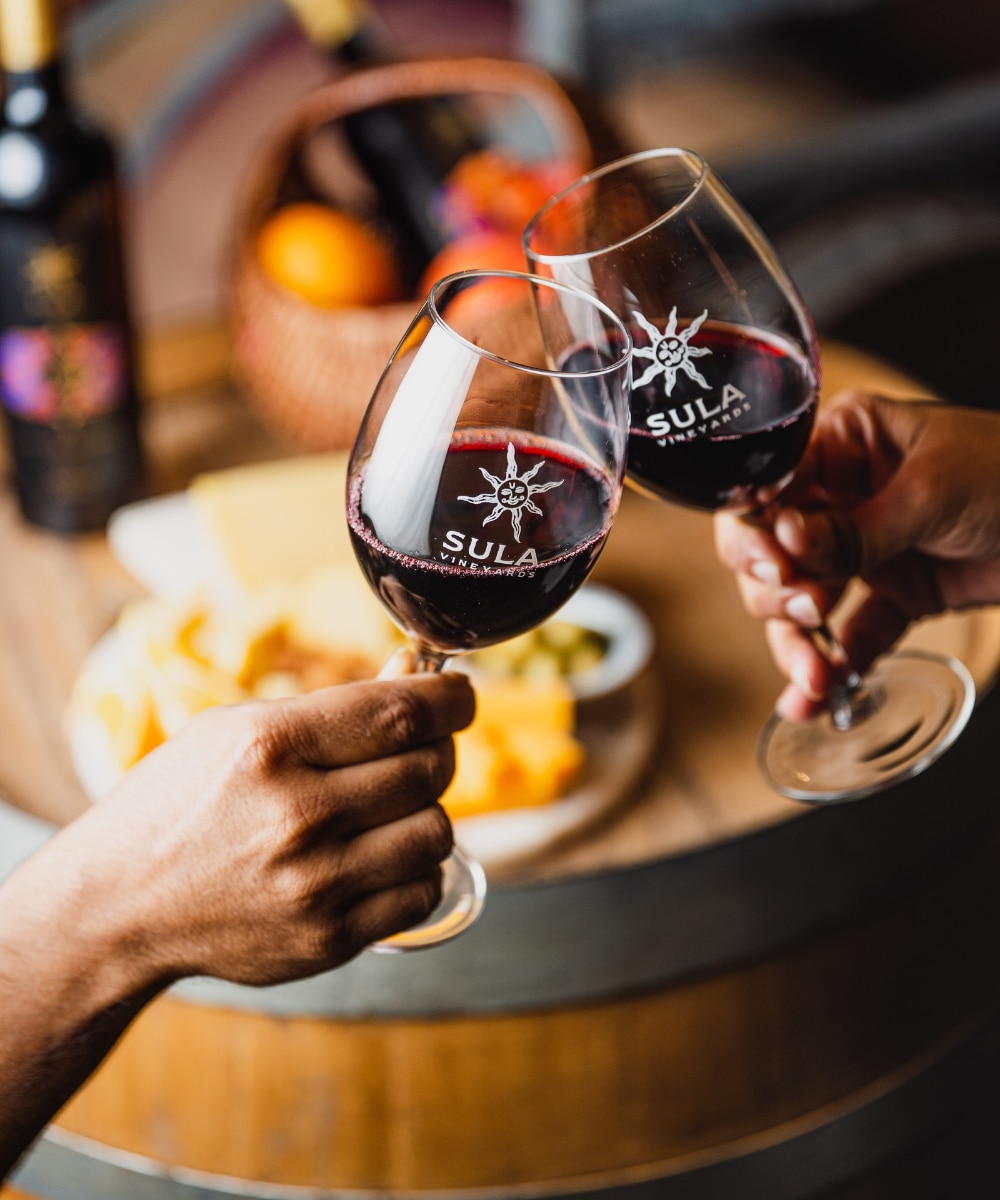
"That being said, owning a versatile glass that can hold all types of wines is a convenient option for home. A stemless glass with a large bowl and a narrow top works well, however, ensure that you do not hold it for far too long, as your body heat will impact the temperature of the wine," he adds.
Pairing Your Wine With Food
While a refined wine placed alongside a wholesome cheese platter is a match made in heaven, wine needn't solely be paired with cheese. According to Gregoire, there are no rules when it comes to pairing your wine with food. Instead, he encourages that you experiment with novel combinations and figure out what suits your palate.
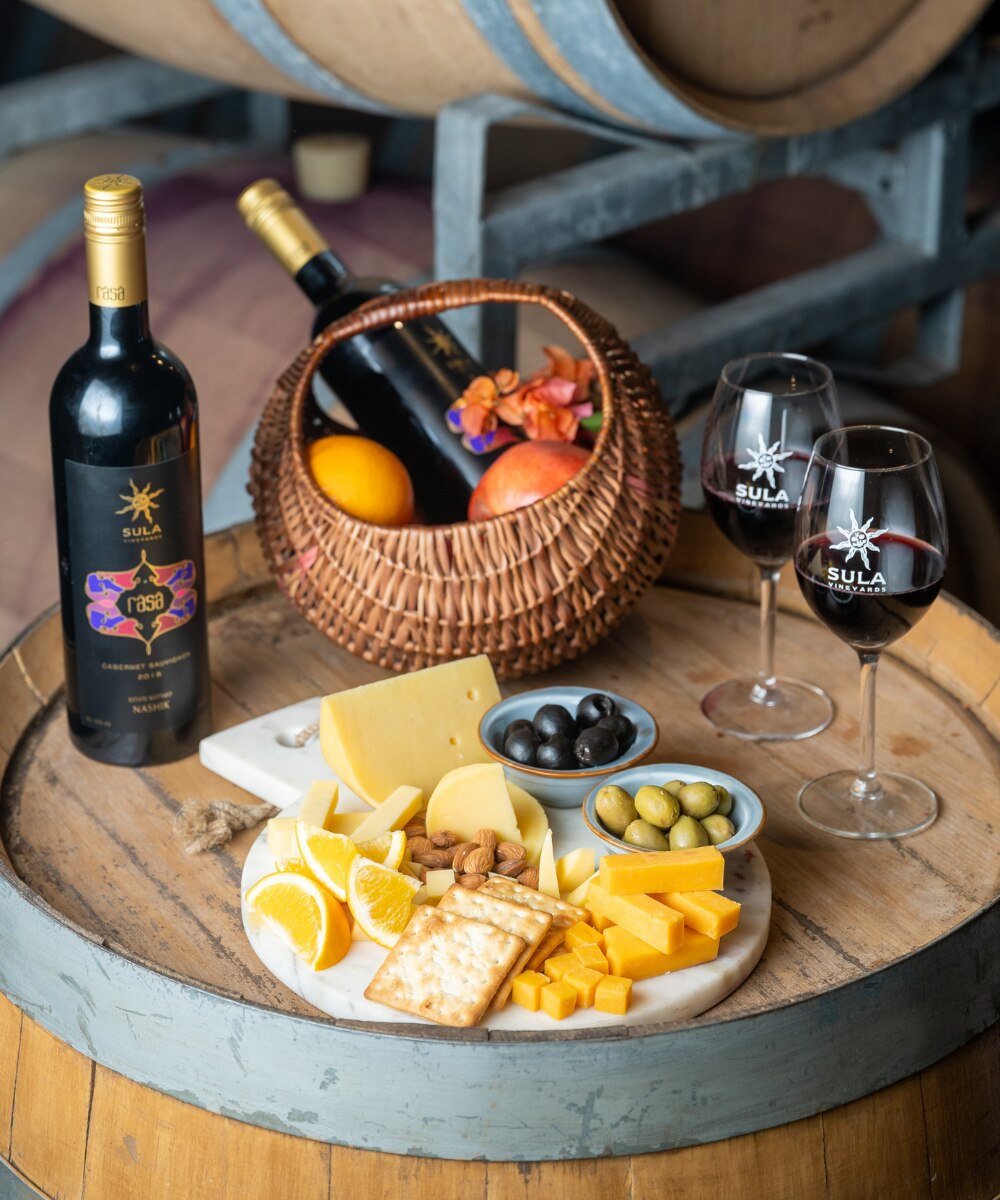
"Saltiness in food offers a great contrast to the acidity present in wine, while fat (cream, butter) is preferred when paired with some tannins. Remember, your wine shouldn't overpower your dish, or vice-versa. Wine with a cleansing acidity and/or low tannins are more versatile when it comes to food pairings. For instance, a Riesling made in the kabinett style (such as the Sula Riesling)—with its vibrant acidity and slight sweetness—shall do the trick," he suggests.
more from Life

140 must-watch movies everyone should see at least once in their life

Why Gen Z is throwing parties to celebrate quitting their jobs

Do we actually need a ‘13 going on 30’ reboot? We made a checklist to figure it out

Magic behind the magic: 'Finding Harry' trailer shows what went into making the upcoming Harry Potter TV series

How to eat protein 'the right way': The truth about 'high-protein' supermarket foods, by a nutritionist

Planning your first safari as a couple? Start here

Check in. Breathe out. Do better.

Why everyone in China suddenly has Kris Jenner as their profile picture?

‘Just eat the burger’: How skinny jabs are quietly reshaping our friendships

"Can't afford therapy? 5 ways I improved my mental health myself"