
Does the ‘buy-nothing’ experiment actually help or backfire?
Want a happier bank balance? Turns out, the secret lies in long sightedness over cold-throat restriction

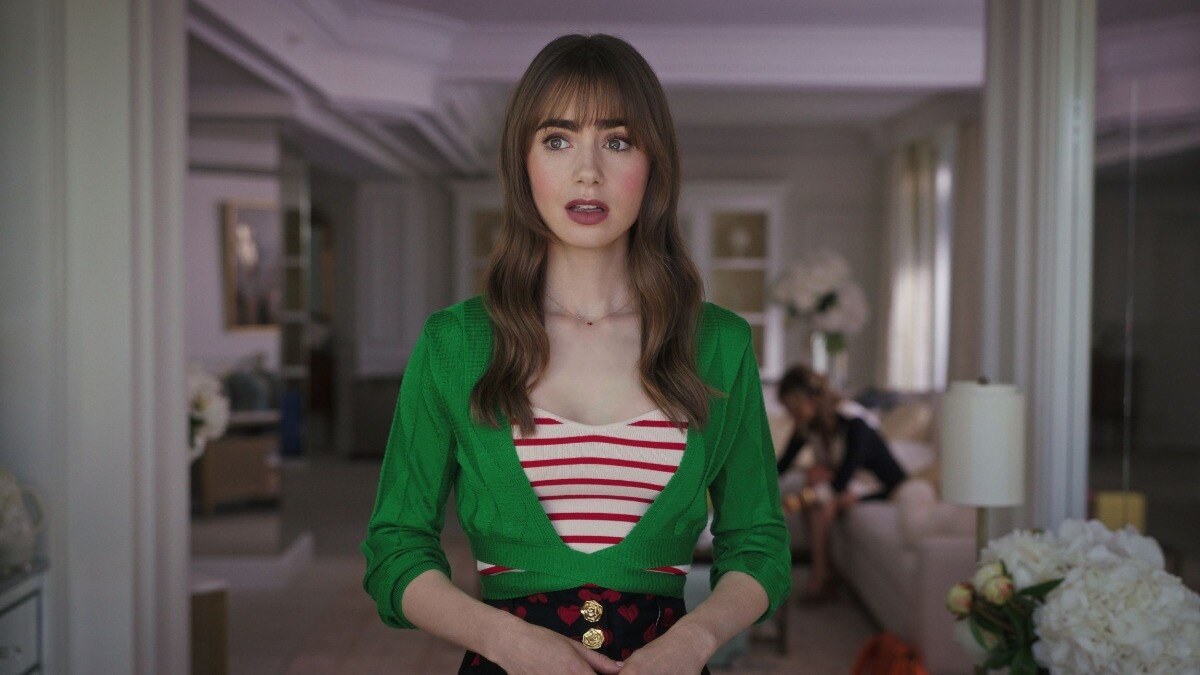
If you’re anything like us, chances are you’ve caught yourself staring a little too long at your bank statement, hoping for a tiny financial miracle. Adulting is hard, but you know what’s harder? Figuring out where all your money went, then trying to justify every expense. While the occasional indulgence can be fun, could going one step further and trying a buy-nothing experiment actually help? Maybe. But the idea only works if it comes from a place of choice and awareness, not deprivation.
Awareness is key
“The splurge after a period of harsh restriction is almost always worse than if you had never restricted in the first place. It is the financial version of crash dieting,” says CA Sakchi Jain. Instead, she suggests creating a pause. Before buying something non-essential, ask yourself: What am I actually looking for right now? Comfort? Excitement? A reward? Do I really want this, or am I trying to change how I feel?
No room for resentment
Finding it tough to stick to a budget? Experts suggest giving yourself a guilt-free spending number. Decide in advance how much you can spend on the things that bring you joy, whether that’s food, shopping, nights out or whatever else makes you happy. Once that number is set, spend it without guilt. It takes away some of the anxiety and resentment that can come with budgeting because you’re not constantly second-guessing every purchase.
Jain adds, “Track for one month before you restrict anything. Most people try to cut spending before they even know where it is going. Spend one full month just observing. No changes. Just note where every rupee went. By the end of it, the problem areas are obvious, and the fixes feel less arbitrary.”
The best financial habit isn’t necessarily the most restrictive one. It’s the one you can actually stick to.
Image credits: Netflix
Also read: One of the main 'Bridgerton' cast members is stepping away from the show
Also read: Did Instagram make you eat here?
more from Life

The big-boob tax is real: Why girls with bigger busts often pay more
The biggest hobby trends are all about making something

Why your screen-free hobby is probably someone else’s Instagram content
How to get rid of milia, according to a dermatologist
Why are men so comfortable shaming Katrina Kaif's postpartum appearance?

The great pillow talk recession is here
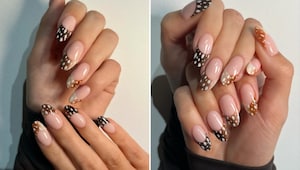
Move over, leopard Bambi nails are the sweetest animal-print trend of fall

The gradual death of the Instagram hard launch

The wildest looks from the 2026 Emmys red carpet

Wait, is the side part cool again? Gen Z celebs say yes