
When influencers become part of Cannes Film Festival's cultural zeitgeist
The world’s biggest film festival is increasingly experienced through a commercial lens rather than a cinematic one.

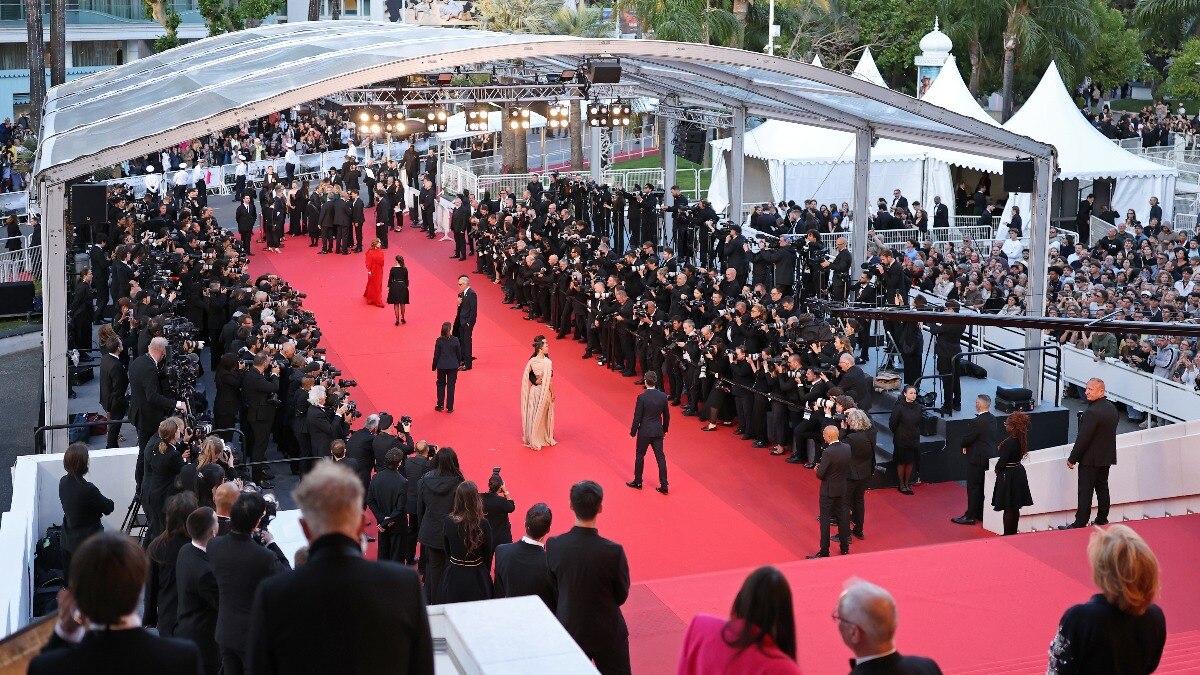
Every May, Cannes transforms into the most glamorous place on earth. There are diamonds before noon, paparazzi outside the Carlton, and enough chiffon on the Croisette to mint money for the dry cleaners. But behind the flashbulbs, the Cannes Film Festival remains one of the most important spaces in global cinema: a place where filmmakers premiere work, distributors buy films, and producers spend days trying to finance future projects. This year, India arrived at Cannes through Payal Kapadia chairing the Critics’ Week jury, the restoration of classics like Amma Ariyan, regional films at the Marché du Film, and the student film Shadows of the Moonless Nights in La Cinef.
Still, if you experienced Cannes entirely through Instagram, you’d think it was primarily a digital creators' convention with unusually strict dress codes. Creators now dominate the online conversation around Cannes through luxury-brand partnerships and curated red-carpet appearances.
Behind the scenes at Cannes
“Most people see Cannes as red carpets, fashion, yachts, and celebrity photos, but for the film industry, Cannes is really one giant ecosystem built around cinema,” says producer Neeraj Churi. Behind every premiere are years of fundraising, rejection, and persistence. The real Cannes exists in rushed coffees, cramped screenings, and hotel lobby meetings where filmmakers are quietly trying to change their lives.
For producers and distributors, Cannes is essentially speed dating for the global film business. “Most of the day is spent meeting people, pitching projects, attending screenings, and building connections,” says Abhay Sinha, founder of Yashi Films. Producers are securing financing, distributors are buying rights across territories, and filmmakers are searching for collaborators. “The glamorous side is what social media shows most, but the reality is much more work-focused,” he adds.
A successful Cannes premiere can completely alter a filmmaker’s trajectory. “The red carpet is what the world photographs, but the real heartbeat of Cannes is thousands of conversations quietly happening behind it,” says Sundance winner Churi, whose own work has travelled the festival circuit.
Cinema vs Content
Luxury brands have always been present at Cannes, but influencers have transformed the scale of the spectacle surrounding the festival. “A lot of people now attend mainly for the red carpets through brand invitations and collaborations,” says Sinha. In some cases, attendees even pay photographers for coverage, turning Cannes into a content economy operating in couture.
Fashion creator Niharika Jain agrees that they have a responsibility to engage with cinema more meaningfully. “The red carpet exists because of cinema,” she says. “If we show up only for the clothes and the photos, we’re borrowing from something we’re not giving back to,” Jain says. Attending screenings and learning about the films in competition changed how she experienced Cannes altogether. But she’s also clear that the value of Cannes extends beyond social media impressions. She describes Cannes as a rare convergence of fashion, media, brands, and entertainment in one place, giving creators access to conversations and opportunities they may not find elsewhere.
The influencers who aren’t pretending
Part of what makes the current Cannes ecosystem interesting is that many creators themselves are surprisingly self-aware about entering a space built long before social media existed. Jain admits she initially felt out of place walking into pavilions and film market conversations because “that’s a very specific industry language.” But instead of resisting that discomfort, she leaned into it.
Still, Khanna agrees that creators attending the festival owe something back to it. “Cannes exists because of cinema,” she says. “You walk into rooms where people are talking about distribution deals and festival circuits,” she adds. She also points to Punjabi film Chardikala as one of the Indian projects she was excited to see represented at the festival.
Khanna also admits that spaces like Cannes can feel intimidating because of the industry legacy attached to them. But she also points out that creators and filmmakers often participate in overlapping conversations about storytelling, visibility, and culture. “Even though my medium is different, storytelling is the thread that connects all of us in that space,” she says.
Cannes today feels like a perfect metaphor for modern culture: art and commerce, cinema and branding, prestige and performance all collapsing into the same hyper-visible space. The digital creators are simply revealing what the festival has become.
Lead image: Getty Images
Also read: 'Off Campus' creator Louisa Levy on bringing BookTok’s favourite hockey romance to life
more from Life

Why Gen Z is breaking up with primary care?

Why Gen Z actually likes standing in queues now

Soft-launching your way through life might be your best move yet

The Lollapalooza India 2027 lineup is here and there’s a lot to get excited about

The 'Harry Potter and the Philosopher's Stone' trailer dropped and suddenly I am 12 again

I only slept with celebrities for six months. This is how

Hailey Bieber's date night outfits follow a formula, and I’m using it

Why is it impossible to find haircut inspo on people that actually look like me?

What do single people even do?

These zodiac signs might get a major plot twist this September, courtesy Uranus retrograde