
Why having a crush suddenly feels easier and more appealing than falling in love
Because the hottest relationship trend right now is emotional limbo.

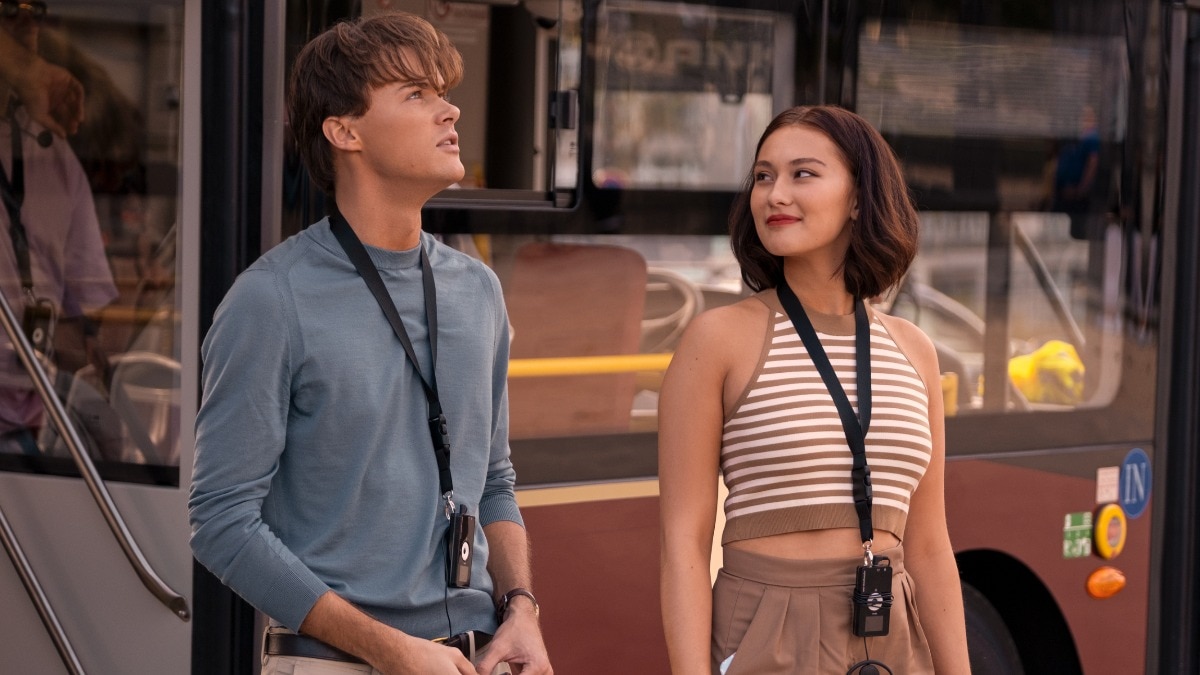
It started with a harmless crush. Or at least that’s what 25-year-old Delhi-based marketing professional Nishtha told herself.
For nearly a year, she was emotionally fixated on a man she barely knew beyond Instagram Stories, a few conversations, and occasional replies. She knew his coffee order, gym timings, late-night poetry reposts and could tell his mood from the music he shared. What she didn’t know was how he handled conflict, communicated or whether they were even compatible in real life. And somehow, that felt safer.
Nishtha has always struggled with emotional decisions. Whether it was confronting someone, defining a relationship, or expressing disappointment or uncertainty, she was overwhelmed. Modern dating only made it worse. “Every time I started talking to someone seriously, I would overthink everything,” she says. “What if they lose interest? What if I say too much? What if I get hurt?” So instead, she stayed in the crush. And truth be told, she isn’t alone.
In the age of situationships, soft-launches, and emotionally unavailable heartthrobs, the modern crush has stopped being the beginning of a love story. For many, it has quietly become the love story itself.
“People today are emotionally exhausted by modern dating experiences—ghosting, inconsistent communication, situationships, and emotional unavailability,” says Dr Gorav Gupta, CEO and senior psychiatrist, Tulasi Healthcare, Gurugram. “As a result, crushes can feel psychologically safer because they allow people to experience attraction and emotional stimulation without the risks that accompany real intimacy.”
That’s the paradox defining modern romance: this generation craves connection deeply, but fears emotional exposure just as intensely.
The fantasy is the point
The modern crush thrives in possibility. It exists in projection, anticipation, and emotional imagination. Nothing has happened yet, which means nothing can disappoint you either. “A contemporary crush is not so much a precursor to a relationship as it is a means of engaging with emotions and feeling their full scope,” explains Taylor Elizabeth, an emotional intelligence and etiquette expert and founder and CEO of The Elegance Advisor.
Real intimacy demands participation. It asks for emotional honesty, communication, compromise, timing, accountability, and vulnerability. Fantasy demands none of those things. In fantasy, the other person remains perfectly editable. You can project compatibility onto silence, interpret breadcrumbs as chemistry and experience longing without having to survive rejection. Most importantly, you remain in control. “Crush culture often acts as an outlet for dealing with emotions rather than actually experiencing them,” says Elizabeth. “We get to have passion without discussion, closeness without disputes, and longing without being responsible.”
That explains why crushes today can feel emotionally consuming despite existing entirely in limbo. The emotional high is real. The relationship often isn’t.
Welcome to the era of emotionally ambiguous romance
The rise of talking stages, almost-relationships, and situationships hasn’t happened accidentally. Emotional ambiguity has become the defining aesthetic of contemporary dating culture. Crtainty now feels oddly terrifying. Labels feel heavy. Vulnerability feels exposing. Commitment feels psychologically expensive. Everyone wants intimacy, but preferably without the emotional risk attached to it.
According to Gupta, ambiguity can feel safer precisely because it delays emotional consequences. “Clarity in relationships requires emotional honesty and the willingness to tolerate risk,” he says. “Many people struggle with this because modern dating culture encourages emotional detachment and endless choice.” In other words, why risk heartbreak when you can romanticise potential indefinitely? It also explains why emotionally unavailable people continue to dominate modern desire. Distance creates obsession. Inconsistency creates emotional fixation. Uncertainty masquerades as chemistry.
“Emotional unavailability can trigger patterns of longing and pursuit, which the brain interprets as emotional intensity,” explains Gupta. “For some individuals, emotionally inconsistent dynamics can feel unconsciously familiar.” The result? People become attached not necessarily to other people, but to the emotional experience of wanting them.
Social media didn’t just change dating; it changed intimacy itself
There’s a strange intimacy to modern internet culture. You can watch someone cry on Instagram Stories, speak vulnerably on podcasts, tweet about loneliness at 2 am, share childhood photos, and document their breakup in real time, all without ever truly knowing them. The exposure creates an illusion of closeness. “One feels intimately linked to someone who knows nothing about oneself,” says Elizabeth. “Familiarity often gives way to feelings of intimacy, but familiarity does not equate with intimacy.” Yet emotionally, the brain often struggles to distinguish between the two.
This is why modern crushes can feel so immersive. The person becomes emotionally real inside your internal world long before any actual relationship exists externally. Entire narratives get constructed from playlists, captions, late-night replies, and carefully curated vulnerability.
Social media, in many ways, has made emotional projection incredibly easy. We no longer fall for who people are, but who we imagine them to be.
The exhaustion underneath modern romance
Beneath crush culture lies something less romantic and far more revealing: emotional burnout. Modern dating often feels like emotional performance art. Be available, but not too available. Interested, but not eager. Vulnerable, but effortlessly detached. Attractive, but emotionally low-maintenance. Intimate, but never embarrassing.
Fantasy offers relief from that exhaustion. Crushes allow people to feel romance without navigating the logistical and emotional labour of real relationships. There are no difficult conversations, no compromise, no conflict resolution, and no fear of abandonment becoming tangible.
“Fantasy love is romance without compromise,” says Elizabeth. “It’s passion without potential disappointment.” But emotional fantasy, while comforting, has limitations. It protects people from pain—yes, but also keeps them from genuine closeness.
Ultimately, intimacy requires being fully known. Not admired from afar. Not aesthetically understood through memes and playlists. Actually known flaws, contradictions, fears, and all. That level of emotional exposure has started to feel profoundly vulnerable in a culture obsessed with self-protection.
So, are crushes ruining love?
Not necessarily. Crushes themselves are not the problem. They can still be joyful, playful, motivating, and deeply human. The issue begins when fantasy becomes a permanent replacement for emotional risk.
The real question, perhaps, isn’t whether crush culture is good or bad. It’s whether our crushes move us closer to connection or quietly help us avoid it. Because while longing may feel safer than intimacy, it can also become lonely.
And for all our curated detachment, perfectly crafted emotional distance and carefully controlled vulnerability, most people still want the same thing they always have: to be chosen, understood, and loved without having to perform invulnerability first.
Lead image: IMDb
Also read: Have we made love bombing dangerously easy to fall for?
more from Relationships

The great pillow talk recession is here

The gradual death of the Instagram hard launch
What your boyfriend’s algorithm is doing to your relationship

Think sex toys are bad for your sex life? Think again

Why are all vibrators suddenly fruit-shaped?
How to get rid of milia, according to a dermatologist
Why are men so comfortable shaming Katrina Kaif's postpartum appearance?

Why your screen-free hobby is probably someone else’s Instagram content
Move over, leopard Bambi nails are the sweetest animal-print trend of fall
The wildest looks from the 2026 Emmys red carpet