
Why the ‘I look better when I’m in love’ theory isn't completely wrong
Turns out emotional security can do more for your appearance than half the products in your bathroom cabinet.


I can only think of two possible explanations for why people in love start looking attractive all of a sudden. Either love genuinely changes people on a cellular level, or couples everywhere have a skincare secret they’re gatekeeping from us singles.
Because how does someone go from looking like they just woke up from a week-long nap to glowing in a badly lit restaurant? Why is their hair always perfect all of a sudden? Are they dressing better or just looking good in everything they wear? And worst of all, they're constantly posting photo dumps where every picture looks like a curated candid click. Sure, they may just be confident, but you still wonder about it.
People in love also seem to accidentally become functioning adults. Suddenly, they’re drinking enough water, fixing their sleep schedules, eating proper meals, and leaving the house for activities that don’t revolve around emotional damage and iced coffee. They start taking better care of themselves, not because they’re trying to impress anyone, but because happiness makes them more present in their own lives.
Being loved well has a way of changing how people see themselves. They begin to recognise their own worth, set healthier boundaries, and stop making space for people who disrespect or take them for granted. And somewhere along the way, as the noise and negativity fall away, they become a more confident, grounded version of themselves.
There’s also something mildly infuriating about how confidence changes attractiveness. People who feel genuinely loved carry themselves differently. They stop shrinking themselves to fit other people’s expectations. They stop obsessing over every perceived flaw. They laugh louder, feel less awkward in photos, and stop analysing their own reflection like it’s a problem waiting to be solved. Because a surprising amount of what people read as exhaustion is often emotional.
And social media keeps proving the theory right. Every couple seems to have a transformation timeline where one person goes from situationship survivor to glowing café-hopping lover in the span of a few months. Suddenly, there are fresh flowers on the dining table, Sunday morning matcha runs, coordinated outfits, and captions so soft they make single people consider deleting Instagram for the afternoon.
Bad relationships tend to do the opposite. Nobody has ever looked radiant crying over someone who replies with a single emoji after causing emotional turmoil for three to five business days. Toxic relationships have a way of draining people, and sometimes you can see it long before they admit what's happening.
Which is why the “I look better when I’m in love” theory feels so believable. People are not necessarily becoming more attractive. They just stop looking emotionally exhausted. When you're loved well, it often shows—not because love changes your face, but because it changes how you move through the world.
Featured image credit: Freepik
Also read: Should your boyfriend know your best friend’s secrets?
more from Relationships

The great pillow talk recession is here
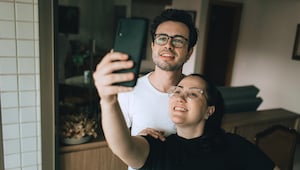
The gradual death of the Instagram hard launch
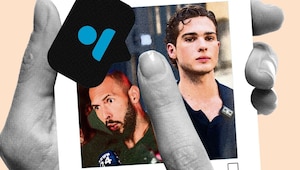
What your boyfriend’s algorithm is doing to your relationship

Think sex toys are bad for your sex life? Think again

Why are all vibrators suddenly fruit-shaped?

Why your screen-free hobby is probably someone else’s Instagram content
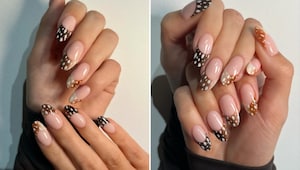
Move over, leopard Bambi nails are the sweetest animal-print trend of fall

The wildest looks from the 2026 Emmys red carpet

Wait, is the side part cool again? Gen Z celebs say yes

Matte meets dewy in a fun move where your makeup doesn’t need to pick sides