Is the “just in case” fashion hack making us dress for plans that don’t exist?
Because apparently, getting dressed for work now means preparing for whatever might happen after it.
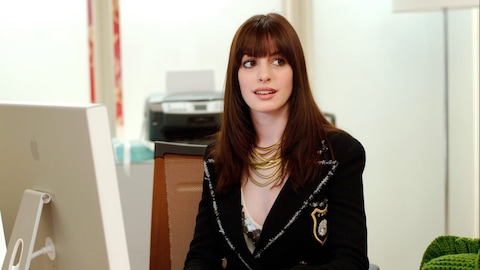
There was a time when getting dressed for work simply meant dressing for work. You had your "work" clothes, your "weekend-plans" clothes. But now, there's a new, slightly more organised section for all the spontaneous plans between the office, a coffee run, and the unexpected "Are you free tonight?" plans. Whether or not these plans came through is a whole other conversation, but we always planned ahead and eventually started dressing for plans that haven't even happened yet.
Welcome to the "just in case" fashion economy.
Imagine building an outfit around the possibility of something happening later. Unexpected dinner plans after work, perhaps a drink with a friend, or a date, or even a last-minute event. Or the other possibility that nothing happens at all. But you'd still rather be prepared than spend the evening wishing you had worn something slightly more interesting. The result? A new kind of everyday dressing where you pick an outfit that can survive an entire day at work and whatever spontaneous plan the group chat throws at you afterwards.
The "just in case" fashion economy is really about dressing for possibility. When a regular work day can turn into dinner, drinks, or a last-minute plan, you start choosing outfits that leave room for whatever comes next. And there’s an economic logic to this shift, too. With people thinking twice about where their money goes, buying a dress or top that only works for one occasion feels a little harder to justify. Instead, the smarter buy is the piece that can clock in at 9 am and still look good at 9 pm, with a quick switch of shoes, jewellery, or a jacket. Suddenly, versatility isn’t just a styling trick; it’s part of getting more out of what you already own.
The outfit has to do more than one job
The biggest shift is that getting dressed is no longer necessarily about having a single destination in mind. Instead, we’re dressing around possibilities. A simple office shirt gets paired with a slightly dramatic skirt because of possible dinner plans after work. A blazer comes along because it makes a work outfit feel polished, but can also make jeans and a top look instantly evening-appropriate. Ballet flats become heels at 7 pm. A work tote gets swapped for a tiny shoulder bag. Jewellery gets added in the lift on the way out.
It’s less day-to-night dressing and more day-to-whatever dressing.
And honestly, it makes sense. Our schedules rarely have clean beginnings and endings anymore. You might start your morning at your desk, have lunch with a friend, spend the afternoon at an event and finish the night at someone’s birthday. The outfit has to keep up.
The "I might have plans" outfit
There's also something strangely psychological about dressing for plans that don't exist yet. You know the outfit. It's slightly better than what you would normally wear to work, but not so dressed-up that it looks like you're expecting to be photographed. Maybe it's a good pair of trousers with a fitted top, a dress with trainers, a skirt with an oversized T-shirt or a statement bag that makes an otherwise basic outfit feel intentional. You're not necessarily dressing up for the evening. You're dressing so that, if the evening happens, you're ready. Because nobody wants to be sitting at their desk at 6 pm while their friends are deciding where to go, only to realise their outfit is aggressively giving, "I'm going straight home to watch Netflix."
The group chat has entered the wardrobe
Our phones have made this even more complicated. Plans are rarely confirmed anymore. Instead, they exist as possibilities in WhatsApp groups and Instagram DMs.
They're a string of “maybe”, “let’s see”, and “I’ll let you know” messages that somehow still influence what you wear. So you leave the house dressed for the day you think you're having, while leaving room for dinner, drinks, a date, or an impromptu plan later. That blazer suddenly feels essential. The lipstick in your bag is insurance. The statement earrings you almost left behind might come in handy. It's no longer just getting dressed for where you're going; it's dressing for what might happen next.
Why we'd rather be slightly overdressed
There is another reason this works: being slightly overdressed for a plan that never happens is far less inconvenient than being underdressed for one that does. If nothing happens, you simply wore a better-than-usual outfit to work. But if your colleague suggests drinks or a friend asks you to dinner, you're already dressed for it.
Perhaps that's the real appeal. We're increasingly choosing clothes that can accommodate more than one version of the day. The outfit needs to work for where we are, while leaving enough room for where we might end up.
So yes, you might be going straight home after work. But just in case, wear the good trousers. Bring the small bag. Put on the earrings.
Lead image: IMDb
Also read: Are we overthinking social media posts more than ever?