
Are we overthinking social media posts more than ever?
We used to be scared of missing out. Now we’re scared of being perceived.

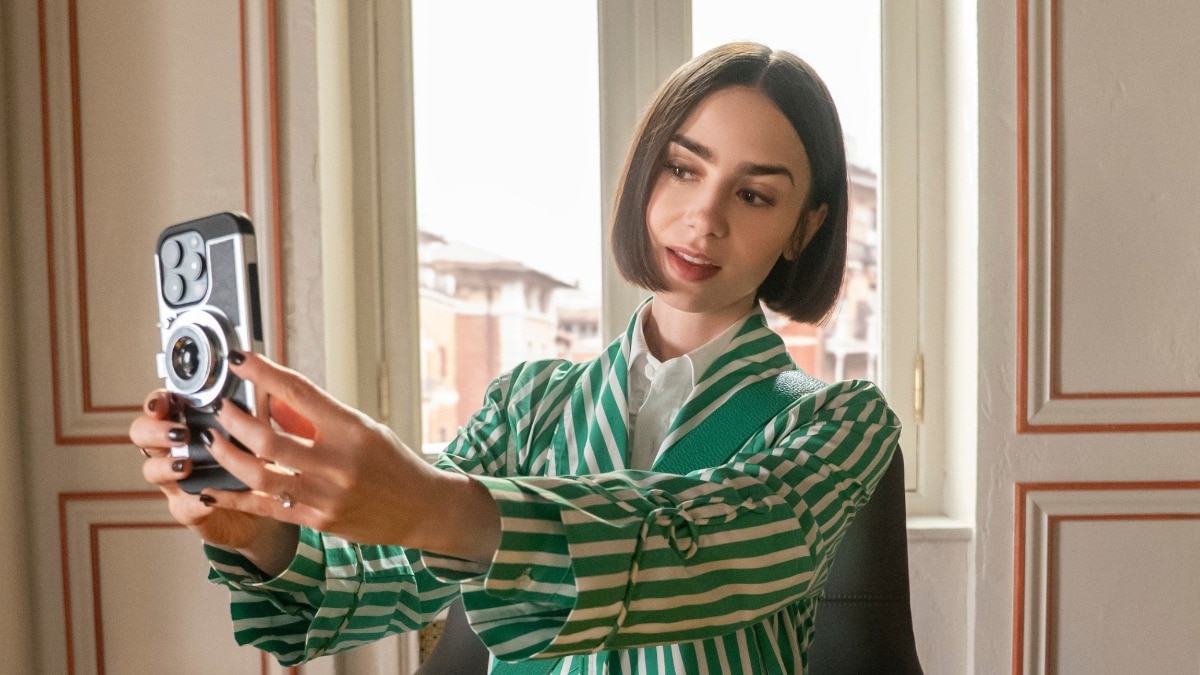
Remember when posting on Instagram was pretty much a normal part of having a life? You went to a cute spot, took 47 pictures, but picked only one, added a mildly mysterious caption, and posted it before you even left the restaurant. Your friends liked it, someone replied “gorg”, and that was pretty much the end of the story. But now, when you take a photo, it stays in your camera roll for three weeks while you debate whether the lighting is good enough, if you've posted too frequently lately, and, most importantly, whether anyone will care or, in some cases, like and interact with it.
Enter FOPO, or the “fear of posting online”. It is not a formally established term in the way FOMO is, but it neatly describes a very current social media anxiety: wanting to post, then overthinking yourself out of it. FOMO was about worrying that everyone else was having fun without you. FOPO is about worrying that everyone else is watching you. And on the internet, where every post can be liked, screenshotted, judged, interpreted, and occasionally turned into discourse, it is easy to see why putting something online can suddenly feel like a high-stakes activity.
The funny thing about social media is that it was supposed to make sharing easier. Instead, many of us now have an internal communications department running in our heads.
Is this caption too cringe? Does this picture look like I am trying too hard? Have I posted enough recently to seem social but not so much that people think I have no life? Should I mention where I am? Is this joke going to age badly? What if someone from work sees it? What if someone I have not spoken to since college sees it? And why did that one person unfollow me immediately after I posted?
Then there is the performance anxiety of the algorithm. A post does not simply exist anymore. It gets numbers: likes, views, comments, shares, and saves. A perfectly nice photo can suddenly feel embarrassing if it gets 37 likes instead of the 300 you were expecting. So you archive it, and you tell yourself you will repost it later. You do not repost it later.
There is also a bigger shift happening here. Social media has become less like a personal scrapbook and more like a public-facing version of yourself. Your Instagram can be seen by friends, colleagues, potential employers, exes, acquaintances, and complete strangers. There is also this pressure to make everything “content”. Dinner becomes a carousel. A holiday becomes a photo dump. Even doing absolutely nothing can somehow become a lifestyle aesthetic.
Cancel culture and the fear of being misunderstood can add another layer. A throwaway opinion that would once have stayed inside a group chat can now become a screenshot with a life of its own. That does not mean everyone is constantly terrified of getting cancelled, but the possibility of being misread publicly can make people more careful about what they put online.
Maybe that is the real irony of social media right now. We have more ways to share than ever, yet somehow every post comes with a tiny committee meeting in our heads. Maybe you post it, maybe you archive it five minutes later, maybe it lives happily in your camera roll forever. Either way, the fact that we can spend 20 minutes debating a photo we took in 20 seconds probably says enough about where our relationship with posting is at right now.
Lead image: Netflix
Also read: Sorry 'The Love Hypothesis' fans, but Dr Adam Carlsen is not exactly a green flag
Also read: Gen Z is obsessed with wellness—so why are healthy habits still so hard to maintain?
more from Life
'Koffee With Karan' is ending—so, who will get Bollywood to spill the tea now?

'The Lizzie Borden Story': fact vs fiction–from her real-life sister Emma to burning a dress, what's true?

Gen Z is obsessed with wellness—so why are healthy habits still so hard to maintain?

Type 3 fun, sunrise views and benne dosa: a Gen Z cheat day checklist

The biggest bridal diet mistakes nutritionists wish women would stop making

The restaurants putting India’s regional food on the map
We’ve got your September beauty shopping list right here

Rehearsing life with Rukmini Vasanth

Kalyani Priyadarshan is ready to take over

Krithi Shetty is your new best friend