How book clubs anchor the great Indian offline revival
Silent reading communities, pop culture-inspired clubs, and books interpreted through music. Reading is hot again, and it’s bringing people out of their homes.
Aug 11, 2026
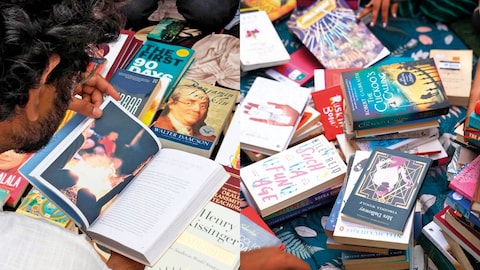
For years, there was only one way to have a book club. The group would pick a title for the month and then come together to break down the plot and character development. The books were probably by literary greats and stood as a declaration of how smart the members were. By virtue of the skill they demanded, the gatherings carried a sense of exclusivity, much like most social clubs from the past.
Yet today in the 2020s, you can erase this prescriptive definition of book clubs. Look at the thriving sister communities of Cubbon Reads in Bengaluru, Pune Reads, and Delhi’s Lodhi Reads. New age book clubs function as silent reading gatherings where anyone—across age group and experience—is welcome to bring a text. Every weekend, hordes of reading enthusiasts in different cities sit together in public parks, noses buried in titles ranging from newspapers and academic directories to children’s magazines.
At the end of their meet, they often exchange notes and stack up all the texts for a photo. But that’s it, no mandatory interrogations on which author, how many pages, or favourite lines. Perhaps the free entry and reduced stakes make the weekly commitment attractive. “There are few avenues today for people to engage in leisurely activities without having to pay,” says Ritika Chawla, co-founder of Lodhi Reads. “The club creates a feeling of community without any pressure to socialise.”
In an era when overwhelming screen time and remote jobs have created an epidemic of social isolation, book clubs provide gentle respite. They present an easy avenue to be around people IRL while leaving it entirely up to the attendee on just how much—or how little—they prefer to interact with others. As studies reveal heightened social anxiety among Gen Z and millennials, these no-questionsasked gatherings become training wheels to return to big group settings offline. Take Prakriti Singh, a 31-year-old from Bengaluru who started her book club, Let It Linger, in 2025, with the intention to step out of the house more.
“Despite being a homebody, remote working made me crave meeting people,” she says. “I wanted to create a space for other anxious introverts like me. We have one attendee who only says two lines every session. Yet, he hasn’t missed a single club meet in the last year. That’s the feeling I cherish.” Although Singh’s club follows a more traditional approach, where the whole group reads one title together, the discussions go far beyond the book itself. The room doubles as a hype house where members share their own writing for honest feedback. On other days, you can expect passionate debates on the best cover for your Kindle while every meet ends in an unofficial visit to California Burrito. The hang doesn’t end at the book, it only provides an entry point making the great outdoors feel easier to navigate.
Between the lines
As kids, in-person social interaction was programmed into the every day, whether it was evening playtime with friends or weekly activity classes. Adult life lacks this consistency. Hustle culture keeps the daily so packed that even catch-ups with friends are booked on calendars and planned weeks in advance. This routine makes it easy to forget about socialising offline altogether. Ask yourself how many days have you gone without consciously meeting anyone outside work or home? In contrast, a fortnightly or monthly reading meet is a small but sure way to ensure you spend active time offline, with and surrounded by new energy.
“My day became a series of productivity check lists: Work, workout, cook, eat. Book club is my time to let go of optimisation and be present,” says Kriti Agarwal, a Mumbai-based nutritionist who runs a book club with her friends. Images: With more people seeking a break from performance, Singh also intentionally opts for fictional titles that provide entertainment without the added task of skill or personality development. These gatherings aim to reclaim reading for reading’s sake. This is especially important as social media fatigue pushes people to more analogue forms of leisure.
The numbers reflect the shift too. At the 2026 Jaipur Literature Festival, co-director William Dalrymple reported that over 44,000 books were sold as authors saw some of the longest signing queues in the festival’s history. Similarly, the Kolkata Book Fair in February drew a record footfall of 3.2 million visitors, up from 2.7 million last year. It helps that pop culture is adding clout to books as well. From Off Campus and Heated Rivalry to House of the Dragon and Wuthering Heights, some of the year’s most anticipated and loved releases have been adaptations of successful titles. In fact, some book clubs embrace this twist with multidisciplinary meetings.
Bengaluru-based Anoopa Prakash recently started a book club with her colleagues, where each month they interpret a title through music, food, or film. “My aim is to make reading the portal for us to engage in more social activities together; books are how I see the world and now we have a club for it,” the 28-year-old shares. This month, they will read Caro Claire Burke’s Yesteryear, where each member will make an extensive recipe from scratch to poke fun at tradwife culture. In June, they read Gabrielle Zevin’s Tomorrow, and Tomorrow, and Tomorrow and marked the meeting with a visit to a video game arcade. Directly or indirectly, these social groups contribute to the return to reading, and publishers recognise the value they bring.
Hardcover, soft launch
Prerna Singh, head of publicity and marketing at Hachette India, reveals that book clubs have become core to planning a title’s roll-out. “They are one of the most powerful forms of word of mouth we have seen,” she says. “We actively facilitate author interactions exclusively for members and plan giveaways around new releases to drive engagement and conversation.” Ask Kavita Jhala, who sits on both sides of the coin as an author of rural fiction book Gram Shots and the founder of Kaffeinated Konversations, an Indore-based reading society. Founded in 2016, long before BookTok and Bookstagram made book social gatherings cool, the club has invited authors including Chitra Divakaruni, Shunali Khullar Shroff, and Kiran Manral for discussion.
The 43-year-old started the community to carve more room for homegrown writers and readers to discover each other. Now, the members have grown into lifelong friends who gift each other flowers for Valentine’s Day and write postcards while on holiday. Jhala is not surprised in the least about book clubs’ role in providing solace offline. “Literature changes lives. From the patronage of poets in kingdoms and caffeinated meetings in pre-independent India’s coffee houses to what we have today, book clubs never disappear, they just have a new name in each generation.”
This article originally appeared in Cosmopolitan India's July-August 2026 print issue.
Image credits: Instagram
Also read: Move over bars: Are wellness studios the new social hotspots?
Also read: This season's best date spots, for every kind of date
Read more!