If you haven’t noticed yet, humans are not speaking normally anymore. Regular words are apparently too basic. Everything now needs a label, a coded reference, a niche descriptor that only people deep in the scroll understand. You cannot simply like something. You have to announce that it’s giving. You cannot just exist. You are now an aesthetic.
It started with pop culture, then fashion, and now it has fully taken over how we describe ourselves, our routines and even our personalities. Every vibe has a name. Every mood has a micro-category. There is an entire unofficial dictionary floating around on your feed, and nobody handed out copies.
And of course, beauty did not escape.
We have moved far beyond calling something a smoky eye or light makeup. That would be far too straightforward. Now every finish, flush and flick has branding. If you do not know the terminology, you are already behind.
So if your slang system has not auto-updated, here is your cheat sheet. The beauty phrases currently dominating TikTok and Instagram, and what they actually mean.
The personality-coded beauty language
Aura
Aura refers to someone’s overall energy. Online, people joke about gaining or losing aura points depending on how cool or awkward a moment feels. In beauty, aura shows up when a look works because the person looks comfortable in it. Zendaya wearing barely-there glam on press tours still trends because she looks completely at ease. Deepika Padukone’s soft Cannes glam sparked similar reactions. It is not about heavy makeup. It is about how the makeup sits on the person.
Face card
A major compliment. If someone says your face card never declines, it means your face alone carries the look. This phrase exploded under minimal makeup selfies and paparazzi clips. Think Tyla’s clean skin moments or Alia Bhatt’s soft bridal-era press appearances where the glam was subtle but the bone structure did most of the work.
Application and technique slang
The Beat or beatdown
This refers to a full-face makeup application done flawlessly. Blended contour, liner, lashes, highlight, everything layered with precision. The term came from drag culture and later dominated Instagram glam and bridal tutorials.
Baking
A technique where translucent powder is applied generously over concealer and left to sit before being brushed away. Popularised through drag artistry and later amplified by YouTube-era beauty creators like Huda Kattan, baking became essential for crease-free under-eyes in full glam looks.
Hitting pan
When you have used a product enough to see the metal bottom. It became popular through Project Pan YouTube series, where creators focused on finishing products instead of constantly buying new launches. The anti-overconsumption shift brought this term back into regular beauty conversations.
Strobing
A highlighting-focused technique that emphasises high points of the face instead of contouring with darker shades. It gained traction during the dewy-skin revival when glow became more desirable than heavy sculpting.
Mewing
A viral facial positioning trend where you press your tongue to the roof of your mouth to define the jawline. While posture can affect how the face photographs, long-term structural claims are not medically solid. It is more internet fascination than proven beauty hack.
Skincare buzzwords
Glass skin
A K-beauty term that originated in South Korea, where skincare has long focused on hydration and clarity over heavy coverage. The idea was skin so smooth and luminous it looked almost transparent, achieved by layering lightweight toners, essences and serums.
The trend went global in the late 2010s as Korean skincare brands expanded and creators began favouring dewy finishes over matte bases. Even years later, glass skin remains one of the most talked-about beauty goals online, just achieved now with fewer steps and smarter formulas.
Slugging
Another K-beauty-inspired technique that involves applying a thick occlusive, usually petroleum jelly, as the final step of your nighttime routine to seal in moisture. It’s called slugging because the glossy layer makes skin look shiny and coated, almost like a slug trail.
The method gained global attention during the pandemic skincare boom, when dermatologists and TikTok creators began talking about repairing damaged skin barriers after years of over-exfoliation. It resurfaces every winter, especially in dry climates, because it actually works for locking hydration in.
Skinimalism
Skinimalism picked up momentum around 2020 when beauty burnout collided with lockdown life. After years of acid layering, full-coverage foundation and 12-step routines dominating YouTube, people were suddenly at home staring at their bare skin on Zoom calls. Overdoing it started to feel unnecessary and, in many cases, irritating.
The term gained traction as creators began documenting barrier damage and decluttering shelves. Brands responded with skin tints, serum foundations and multi-tasking hybrids.
Shelfie
Beauty influencers were among the first to turn product storage into content. Flatlays evolved into bathroom shelf tours, and suddenly the way you displayed your products mattered almost as much as the products themselves. Brands leaned into it too, designing packaging that looked good on open shelving. What started as a simple storage flex became a full-blown beauty trend because everyone wanted their routine to look as good as it worked.
General beauty internet vocabulary
Dupe
Short for duplicate, the term originally floated around fashion forums and early beauty blogs in the late 2000s, where users compared high-end launches to drugstore alternatives. It exploded on YouTube during the peak influencer era when creators started filming side-by-side comparisons of luxury versus affordable products. On TikTok, dupe culture evolved into rapid-fire reels where creators swatch both products on camera and let viewers judge.
Glow up
Glow up became mainstream through Twitter and Tumblr before dominating TikTok transition videos. Originally used to describe personal transformation, it quickly folded into beauty culture. Skincare journeys, hair transformations, orthodontic changes, weight shifts and makeup skill upgrades all started being packaged as glow-ups.
Snatched
The word comes from drag and ballroom culture, where it described looking flawless and tightly put together. In beauty, it evolved to mean lifted, sharp and defined. The fox-eye liner trend, laminated brows and sculpted contour pushed snatched into everyday makeup language. Bella Hadid’s slicked-back runway looks and ultra-defined cheekbones are often referenced when people describe a snatched face.
Holy grail
Often shortened to HG, this term grew popular on early beauty forums like MakeupAlley and later on YouTube favourites videos. It refers to a product someone repeatedly repurchases and trusts completely. Before TikTok made trends move at high speed, holy grail products were staples creators recommended for years. The phrase still shows up in empties videos and annual roundups where influencers reveal what actually survived trend cycles.
The food-coded aesthetics
Strawberry girl
Strawberry Girl exploded in summer 2023 when Hailey Bieber began teasing Rhode’s strawberry glaze lip treatment and captioning her posts with “strawberry girl summer.” The aesthetic was built around that rollout: high, almost exaggerated strawberry-toned blush across the cheeks and nose, glossy red-pink lips and visible faux freckles.
Latte makeup
The term was coined by TikTok creator Rachel Rigler in June 2023, when she described the look as warm, bronzed, milky and effortless. She referenced an earlier 2018 bronzed glam by makeup artist Tanielle Jai, but TikTok gave it a name and made it trend. The defining feature was a no-blush, monochromatic approach using brown, caramel and tan tones across eyes, cheeks and lips. Something the Kardashian's have been doing since the beginning of time.
Cherry cola lips
A dark brown lip liner blended into a red gloss or lipstick to create a deep, dimensional finish. The look is rooted in 90s lip combos that were popularised by Black and Latina beauty culture long before TikTok gave it a name. Think darker liner, lighter centre, glossy finish.
The term “cherry cola lips” gained traction on TikTok in 2023 as creators began naming and recreating the combo in short tutorials. Celebrities like Kylie Jenner and others leaned into darker liner again, which amplified visibility, but they did not originate it. The internet simply rebranded an existing technique and pushed it viral.
Glazed donut
The phrase surged after Hailey Bieber’s chrome nail look became a global salon request in 2022. Her high-shine, pearlescent manicure was described as “glazed donut nails,” and the name stuck. She consistently paired that manicure with ultra-dewy skin, which expanded the term beyond nails.
The aesthetic aligned with a broader shift toward luminous, reflective finishes in both skincare and makeup. The naming power and repetition cemented it as one of the most recognisable beauty descriptors of the last few years.
Tomato girl
The “tomato girl” aesthetic emerged from Pinterest and TikTok mood boards romanticising European summers. It centred on red tones, linen fabrics, coastal backdrops and flushed, sun-warmed makeup.
Celebrity sightings reinforced it: Emma Watson photographed in Saint-Tropez wearing red swimwear and slip dresses, Jennifer Lopez leaning into red-themed Mediterranean styling around her Delola Spritz rollout, and Katie Holmes embracing relaxed Riviera-coded looks. In beauty terms, it translates to vivid red blush, glossy lips and minimal base that mimics heat-flushed skin.
The vibe personas
Clean girl
The slicked-back bun, brushed brows, dewy skin and minimal base look that dominated early 2020s feeds. While rooted in model off-duty styling, it gained mainstream momentum as celebrities like Bella Hadid, Sofia Richie Grainge and Kendall Jenner began appearing in pared-back everyday glam. Zendaya and Zoë Kravitz reinforced the polished-but-minimal red carpet version. In India, Alia Bhatt and Janhvi Kapoor frequently lean into luminous skin and restrained makeup, which mirrors the aesthetic. The trend coincided with the rise of wellness culture and hyper-organised lifestyle content, making simplicity aspirational.
Mob wife aesthetic
The maximalist backlash to minimalism. Inspired visually by 90s mob films and early 2000s tabloid-era glam, the look features voluminous hair, dramatic liner, bold lips and heavy jewellery. It resurfaced on TikTok as users referenced characters from crime dramas and paparazzi-era celebrity styling. Fashion creators leaned into leopard prints and oversized sunglasses, while beauty tutorials revived smoky eyes and heavy contour. The audience embraced it partly as rebellion against the polished restraint of Clean Girl minimalism.
Coquette
A hyper-feminine aesthetic defined by bows, lace, ribbons and soft pink tones. The beauty side focuses on fluttery lashes, rosy cheeks and doll-like features. The look draws inspiration from vintage romance and has been popularised through celebrity styling that leans delicate and nostalgic. Artists like Lana Del Rey and Ariana Grande have long embraced ultra-feminine visuals, while Jennie Kim, Olivia Rodrigo and Lily-Rose Depp have appeared in modern interpretations featuring pastel palettes and soft glam. It blends innocence-coded styling with highly intentional detail.
Vanilla girl
A soft-neutral beauty philosophy built around creamy tones, luminous skin and understated glam. Unlike Clean Girl’s sharper minimalism, Vanilla Girl leans warmer and more comfort-focused. In India, Alia Bhatt’s preference for clean skin and light base makeup, Deepika Padukone’s emphasis on consistent skincare and subtle definition, and Tara Sutaria’s barely-there luminous looks reflect this approach. Makeup functions as enhancement rather than transformation. The palette stays neutral, the finish stays fresh, and the overall effect feels effortless without being bare.
Emerging 2025–2026 terms
Blush blindness
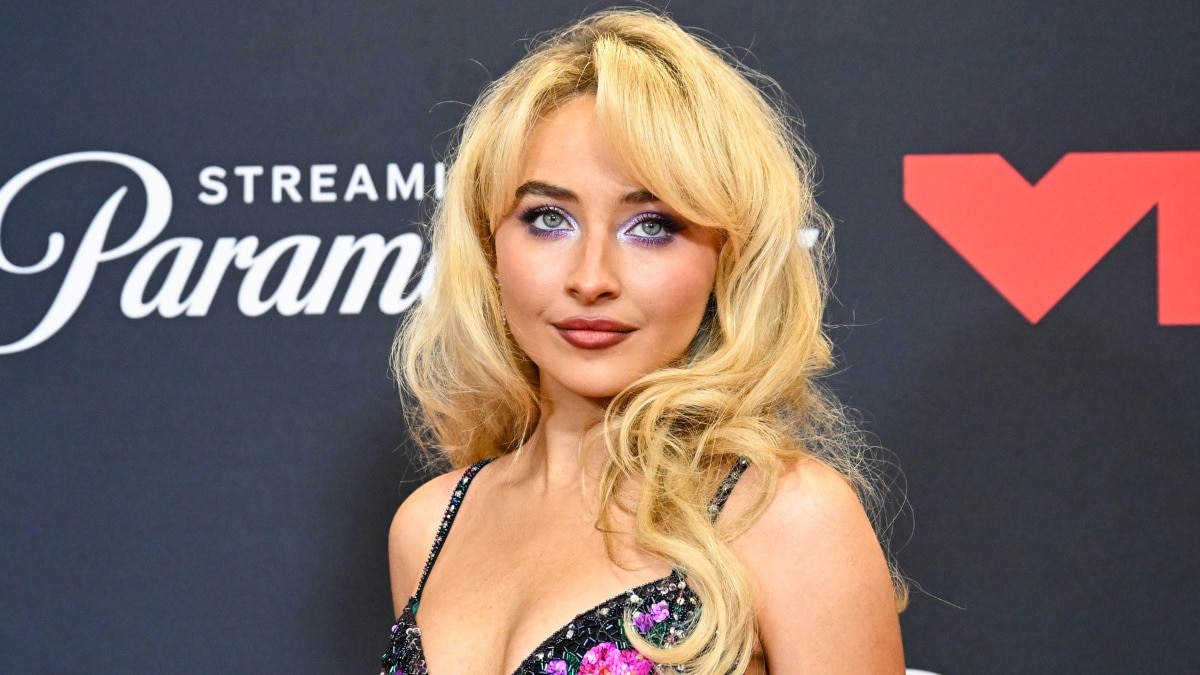
A playful internet term that emerged as heavy blush placement became trendy again. It refers to applying more blush than you realise, often across the cheeks and nose. The phrase is frequently brought up in conversations about Sabrina Carpenter’s ultra-flushed stage and red carpet looks, where blush is intentionally high and intense. What would once have been called too much is now a signature.
Tweakments
A blend of tweak and treatments, this term gained popularity in the mid-2010s as cosmetic procedures became subtler and more openly discussed. Instead of dramatic surgery, tweakments refer to small, maintenance-focused procedures like baby Botox, micro-fillers, lasers and skin boosters. The term gained traction as influencers and dermatologists began normalising these conversations on Instagram and TikTok. It reflects a cultural shift toward looking refreshed rather than transformed.
Featured image credit: Getty Images
Also read: The best colour correctors to invest in—because concealer can’t fix everything
Also read: All the hottest beauty finds that make us sit up and take notice