
Is shapewear as outerwear a yay or a nay?
The internet’s favourite body-hugging basic is officially leaving the house.

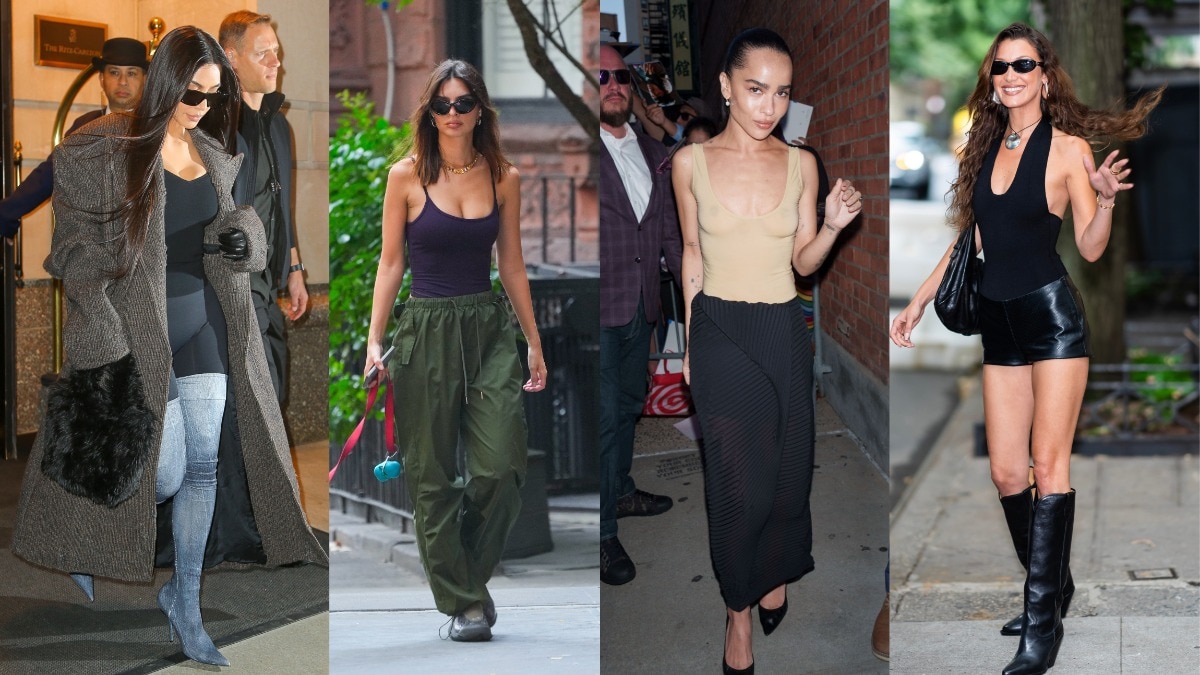
Shapewear has officially stepped out of the shadows of wardrobes and dressing rooms. What was once reserved for smoothing silhouettes under occasionwear is now being styled as the whole deal—paired with jeans, worn on coffee runs, and photographed for the perfect Instagram post. From Indian celebrities like Tara Sutaria, Rhea Chakraborty, and Malaika Arora to global style icons across the Kardashian-Jenner universe, shapewear-as-outerwear is no longer a fringe moment. The question is no longer whether it’s happening, but whether it actually works.
The idea of innerwear crossing over into everyday fashion is hardly new. Lingerie has flirted with outerwear status for decades—we’re talking camisoles under blazers, visible bras at parties, or corsets styled as tops. Shapewear, however, arrives with a slightly different energy. Originally designed for discretion, compression, and control, its transition into public-facing fashion is both intriguing and polarising.
A major reason behind this shift is the rise of brands intentionally blurring these boundaries. Labels such as Skims, Spanx, and Yitty have reframed shapewear as something that can be seen, styled, and celebrated. Their designs focus on clean lines, neutral tones, and sculpting fits that resemble minimalist bodysuits rather than traditional undergarments. Indian and international brands like UnderNeat, Myhth, Krvvy, Butt-chique, Victoria’s Secret, and Nykd have followed suit, offering versatile pieces designed to multitask beyond the confines of layering.
Part of the appeal lies in shapewear’s aesthetic contradiction. It reads as effortless while delivering a polished, put-together look. Styled with straight-leg jeans, kitten heels, and a blowout, a shapewear bodysuit feels off-duty yet intentional. It fits seamlessly into modern fashion narratives that prioritise ease, versatility, and comfort—without compromising on the optics.
Social media has only accelerated the trend. Celebrities and models have become increasingly open about styling shapewear in public-facing ways. Khloé Kardashian has worn Skims bodysuits with heels and sleek hair, while Taylor Hill was spotted hiking in a fitted bodysuit in Italy, cementing its place in both urban and leisure settings. Indian celebrity sightings echo the same sentiment, with shapewear styled confidently and unapologetically as standalone pieces rather than hidden layers.
At the same time, shapewear carries emotional and cultural weight. Its popularity often sits at the intersection of body confidence and body control. While it can enhance comfort and offer support, it also raises questions about whether fashion is subtly reinforcing the need for “correction.” The modern shapewear movement attempts to counter this by offering inclusive sizing, varied shades, and flexible fits, positioning shapewear as an option rather than a requirement.
So, is shapewear as outerwear a yes or a no? The answer lies somewhere in the middle. As a styling choice, it can be chic, practical, and undeniably current. When worn on one’s own terms, it functions as just another wardrobe staple, no different from a fitted tank or bodysuit. Its power, however, lies in intention. Shapewear works best as outerwear when it’s about choice, comfort, and confidence—not concealment. In that sense, the trend isn’t about hiding anything at all; it’s about redefining what deserves to be seen.
Lead image: Getty Images
Also read: “All eyes on the midriff” should have been the only instruction given at the 2026 Grammy’s
Also read: The baker boy hat is officially the accessory to own in 2026
more from Fashion
Is your style seeking you?

Is the “just in case” fashion hack making us dress for plans that don’t exist?

Cosmo Quiz with Moses Koul: The singer-actor opens up about his icks, controversial opinions, and more
Cosmo Quiz with Prish: The 'Traitors' star on hot takes, makeup icks, and dilly-dallying through life

Are you afraid of your 30s?

Nine movies and shows to add to your watchlist right now

Need a book recommendation? Three authors share their favourite books to read next

Jasleen Royal on breaking into Bollywood, taking risks, and finding her way
Cosmopolitan India turns 30: revisiting our most iconic anniversary covers

Get knotty at Sevilla: The Claridges’ romantic restaurant made for date nights and proposals