
'Euphoria' reignites an old question: Why do male writers keep killing off complex female characters?
Rue Bennett deserved a future, not a tragic ending.

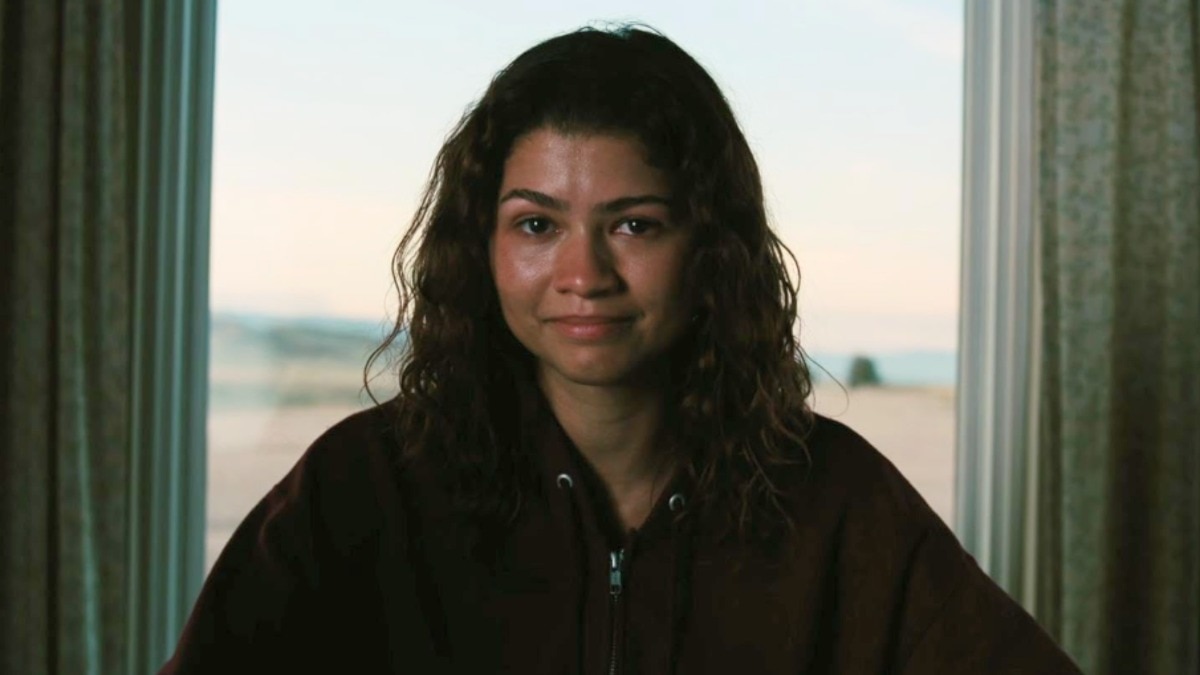
After years of watching Rue battle addiction, grief, and self-destruction, the show ends with her dying from a fentanyl overdose. In a season that was already criticised for feeling disconnected from what made Euphoria special in the first place, the finale landed with a thud for many fans. Instead of feeling inevitable, Rue's death felt strangely familiar. It's the kind of ending we have seen complicated female characters receive over and over again.
Euphoria aired its final episode yesterday, and it's safe to say the season finale felt a bit anticlimactic. For two seasons, Rue Bennett's storyline in Euphoria centred on one thought: can she survive? The entire emotional core of the show revolved around her survival. Played with staggering vulnerability by Zendaya, Rue became one of television's most compelling anti-heroines—a teenager navigating addiction, grief, love, and self-destruction in ways that were often difficult to watch but impossible to look away from. She wasn't a role model. Her story was messy, frustrating, and painfully human, which is precisely what made audiences invest in her.
That is why the ending of Euphoria's third season has left so many viewers unhappy and a tad frustrated, if we are being honest. Spoilers ahead.
After years of watching Rue battle addiction, grief, and self-destruction, the series ended with her dying from a fentanyl overdose. For many viewers, the decision felt less like a devastating culmination and more like a disappointing cliché. In a season already criticised for feeling disconnected from the original storyline, the finale landed with a thud for many fans. And instead of feeling inevitable, Rue's death felt like a familiar narrative choice that we have seen complicated female characters receive over and over again.
The tragedy shortcut
Here's the thing: writing a complicated woman is hard. Writing what comes after her trauma is even harder. Television loves the rise of a flawed female protagonist. We are happy to watch her unravel, make terrible decisions, and claw her way through impossible circumstances. But when it comes time to imagine a future for her, many stories seem to hit a wall. What happens after the addiction? After the revenge? After the battle is won?
The same was done to Natasha Romanoff in Avengers: Endgame. She spent years, across more than a decade of films, proving herself as one of the franchise's most capable heroes, evolving from a mysterious spy into one of the emotional anchors of the Avengers, only to end up sacrificing herself so the plot could move forward. While several male heroes got emotional farewells, retirement arcs, and legacy-building moments, Natasha got a cliff and a funeral.
Then there's Eleven from Stranger Things, whose story spent multiple seasons positioning her as the girl destined to save everyone else. From the moment her powers were introduced, she carried the weight of the world's survival on her shoulders, repeatedly risking her life to protect her friends and stop increasingly dangerous threats. By the end, her journey seemed to point towards one familiar conclusion: self-sacrifice.
For many viewers, that felt frustrating rather than triumphant. After years of watching Eleven endure isolation, experimentation, violence, and loss, the idea that her story could only culminate in giving everything up for others felt limiting. Why, fans wondered, was survival not enough? Why could she not save the world and still be allowed a future of her own? The criticism was not about heroism itself, but about a recurring storytelling instinct that treats a woman's ultimate act of courage as the willingness to disappear.
We are not saying that every female character needs a happy ending. The point is that women characters do not deserve to be killed off simply because writers reach a dead end when confronted with their complexities, contradictions, and vulnerabilities.
Strong and complicated women do not need to be turned into moral lessons every time. They do not need to be punished for their mistakes, nor do they need to become symbols of what happens when someone strays too far from the path. Sometimes, they deserve the same thing male anti-heroes have been given for decades: the opportunity to keep existing, however imperfectly.
Rue Bennett did not need a fairytale ending. She did not need to ride off into the sunset, fully healed and free of every struggle that haunted her. But after three seasons of fighting to stay alive, she deserved something more interesting than becoming another television death. She deserved the possibility of a future, however messy, uncertain, or complicated it might have been. Because for a character whose entire story was about survival, death feels less like a bold creative choice and more like the easiest one.
Lead image: IMDb
Also read: 'Off Campus' season 2 has been confirmed and BookTok already knows what’s coming
Also read: 'Emily in Paris' will officially end with season 6 because even chaos has a limit
more from Life

Not every shower thought needs to become a side hustle, and Morgan from ‘Nobody Wants This’ proves it

'Our obsession with true crime isn’t just morbid curiosity—it's all part of our desire to regain control'

Why advent calendar unboxing videos are my favourite kind of holiday content

Unique gifts for every personality: Meet them where they are

#SaneGirlEra: Six research-backed apps to help you cope with anxiety

“Why choosing a man-repellent haircut was the most liberating thing I did”

How to make the lingerie-as-outerwear trend work for your wardrobe

Are you and your partner having mercy sex? This is how sex expectations can damage relationships

Welcome to emotionships—where you have feelings but no relationship status

Dear universe, when am I going to get a boyfriend?