
How the non-conformist mothers in pop culture are changing the world

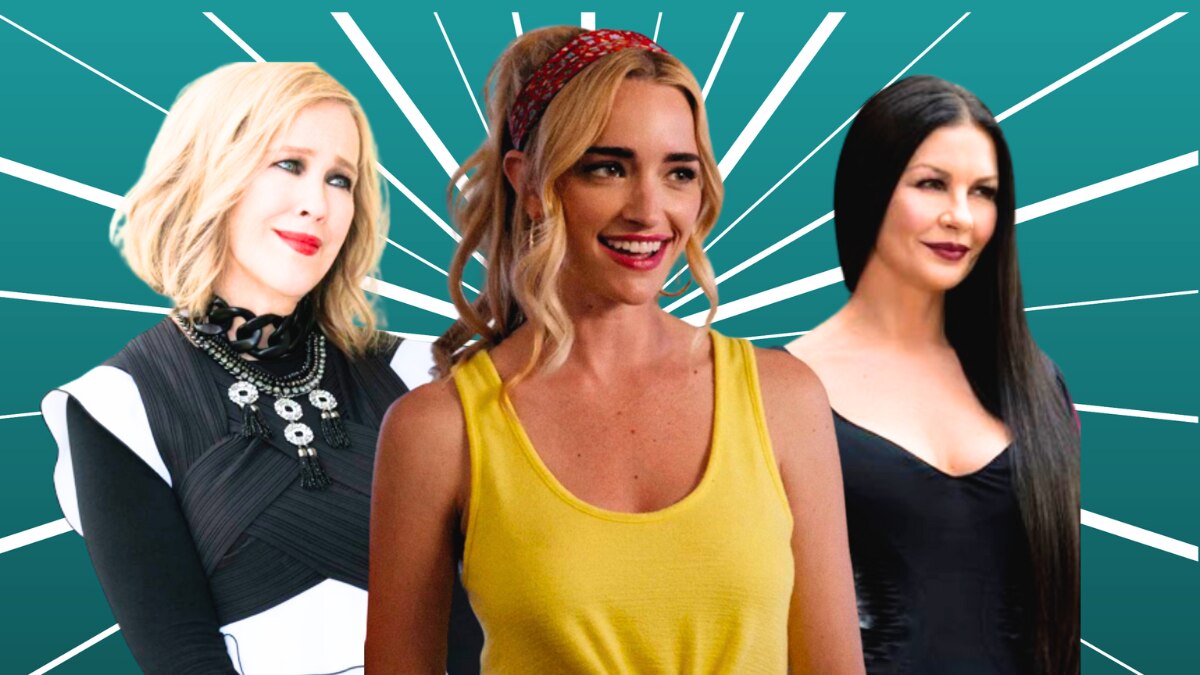
Georgia is an exceptional friend but certainly not a good mother—said one of my friends in our regular pop culture meet and greet sessions, as we discussed Netflix’s Ginny and Georgia post binge-watching its second season in one go. “Teenagers do not always require cool mothers—unlike Georgia, sometimes all they desire are normal, decent mothers who won’t smoke weed with their daughter’s boyfriend,” she added.
I was then propelled to wander upon my teen years and contemplate what encompassed a “good mother”, and whether I was raised by one. In my experience—though my mother never smoked weed with any of my love interests—her motherhood acumens were deemed unsatisfactory by the typical standards set by our society. After all, she had divorced her husband, worked overtime to provide for her kids, and lived in different cities making her physical presence an illusion seeped within telephonic conversations for her children.
In the broader sense of society, she did not fit the moulds of sacred motherhood, but to her kids, she was a real-life Lorelai Gilmore, helming the maternal sanctuary in her own way. “It’s easy to be a ‘bad mother’ because it doesn’t take much to be one”, she tells me when implored upon her role as a mother.
From the test of time, certain attributes have been exclusive to mothers. Popular culture, in its capacity, has reinforced this narrow narrative cementing them as selfless, soft, and sacrificial, at times even glamorising their helplessness and sufferings around domestic abuse.
The recent rendition of movies and series in the past couple of years, however, paints a refreshed discourse. Moira Rose (Catherine O'Hara's) in Schitt’s Creek is a matriarch not willing to compromise on her wigs, at times endearing them more than her kids thus abandoning regulations around conventional mothers’ portrayal.
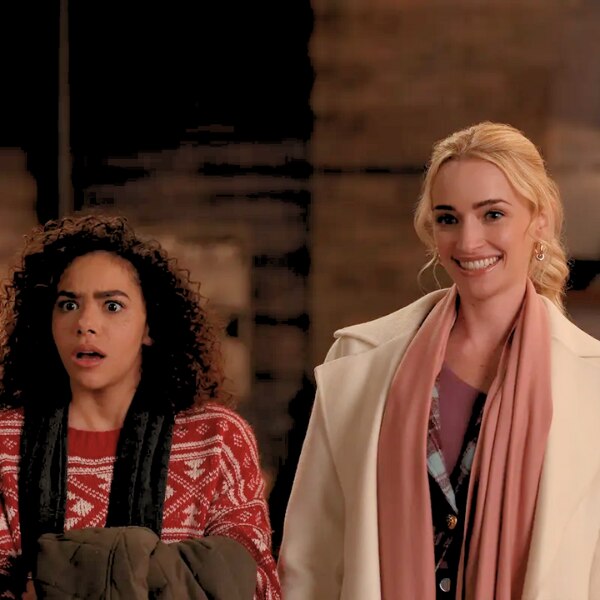
Georgia’s character from Netflix’s Ginny and Georgia evokes a dark edge to motherhood. A maternal figure who is disruptive, aggressive and confrontational thus changing the lines of how mothers have always been seen as delicate. Apart from shattering the too-ladylike imagery, this confirms that mothers are no longer content with being unacknowledged. Morticia Addams' disdainful relationship with her daughter Wednesday Addams in Netflix’s Wednesday paints a testimony around a mother's relationship does not necessarily have to be a cathartic safety net.
These characters bring a fresh perspective to motherhood by exhibiting qualities like disruption, assertiveness, and independence. These complex portrayals of mothers break free from the stereotypical mould, allowing women to embrace their multifaceted identities.
Mothers must put themselves first too
Mothers are often expected to prioritise the needs of their family members above their own, to the point where their own well-being and desires are disregarded. This expectation places an undue burden on mothers and perpetuates the notion that their worth is solely determined by their selflessness.
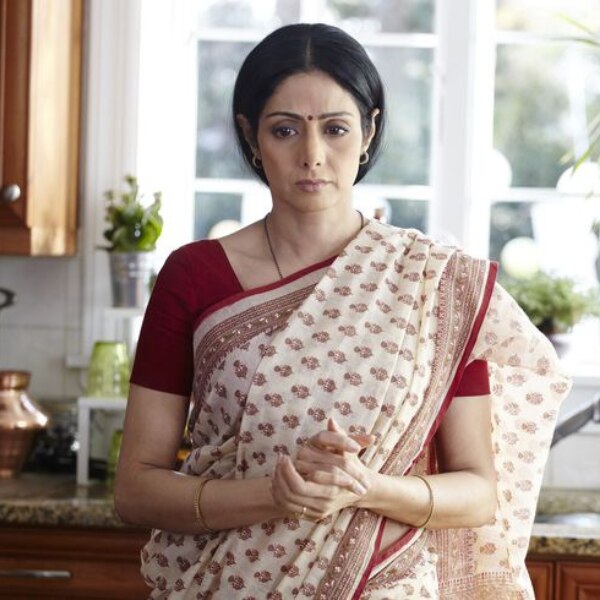
In English Vinglish, Shashi Godbole (Sridevi) in the initial swing of the film demonstrates the state of a conventional mother—someone who’s always cornered. This rings true, especially in the Indian context. When a family member gets sick, the mother’s primary responsibility is to take charge. However, when a mother falls ill, she’s supposed to take her medicines and get back to her culinary responsibilities. Sadly, this sacrificial narrative has been glamorised so much that even a mere deviation from this discourse deems mothers deficient. After all, what is a mother if not selfless?
“My dad has always been alcoholic and my mother had to work extra shifts as a nurse to take care of us,” says Sakshi, a 19-year-old based in Delhi. “She’d wake up at 4 AM in the morning, leave by 6 AM. Once, I remember being sick and she still had to go to her job. She asked my paternal aunt to take care of me. Though my aunt took me for the day, she immediately labelled my mother inferior just because she had to go to work while no one faulted my father who took no responsibility for us. All it took was her absence for a day to deem her substandard,” she adds.
Parables across literature and films have promulgated mothers as sacrificial heroines who always put the needs of others supreme. Popular culture’s complimentary role in cementing this narrative needs no establishment. A deviation, then, from this anecdote is not only refreshing but a necessary remedy. Exactly like Shashi does towards the end in English Vinglish.
Challenging a one-dimensional perspective of mothers
When women choose motherhood it’s somehow signified as an archetype of femininity where they agree to follow an unseen rulebook. They are to abide by an invisible code of conduct that demands them to downplay their own desires and devote themselves completely in favour of the being they bring.
Chiselling a fresh perspective on motherhood, in Game of Thrones, Cerci Lannister travels all extremes to protect her children but doesn’t compromise with her outrageous identity, always wanting more. In Arya, Sushmita Sen’s character protects her children fiercely but that does not stop running her family’s dark business.
These characteristics are in stark contrast to how society deems mothers’ portrayal — one dimensional and without any layers—therefore, making up a case for women not having to dismiss their totality in pursuit of maternity.
Relieving mothers of the pressure of being put on a pedestal
A cursory scan explores mothers of two kinds—either ideal or evil. A good mother could never be carefree or self-interested. The possibility of being whimsical was a luxury a mother could not enjoy. “We can accept an imperfect dad. We love them for their fallibilities. But we absolutely don’t accept the same feelings in mothers,” says Nora Fanshar (Laura Dern) in 2019’s release, Marriage Story, while defending Nicole’s (Scarlett Johannson) character as she goes through a divorce.
“Mothers are often held at a very high pedestal which is a risky thing to do,” says Dr Harish Chandra Reddy, a psychiatrist based in Hyderabad. “It’s a dangerous precedent we set as the moment they even slip a little, they are made to feel like nobodies. No human is ideal and perfect. The representation in the media is of course important, but we still have a long way to go,” he adds.
A complex portrayal of motherhood in popular culture then makes a case for allowing mothers to make mistakes and embrace them without guilt.
Mothers and sexuality
Mothers like June George in Mean Girls reclaim the subjugation of an ideal mother. At times, she’s extreme (after all, she’s not a regular mom, she’s a cool mom), but then she’s always there for her daughter even offering her condoms and snacks while she indulges in sexual intercourse with her boyfriend.
The societal pressure on mothers is particularly evident when it comes to their sexuality. Motherhood is often seen as an erasure of a woman's sexual identity as if becoming a mother means giving up any personal desires or pleasures. However, characters like Rani Irani (Pooja Bhatt) from Netflix's Bombay Begums and Alice (Reese Witherspoon) from Home Again demonstrate that motherhood does not negate a woman's sexual agency. These portrayals challenge the notion that motherhood and sexuality are mutually exclusive, and they empower women to embrace their sexuality without guilt or shame.
A road less travelled
Moral policing of women has always existed but its grasp is tightened vehemently when they turn mothers. The cultural fixation on motherhood expects them to dress up in certain ways lest they want to be a bad influence. The scrutiny faced by fashion bloggers like Roshni Bhatia and TikTok creator Charlie Heyes is a testament to this cultural fixation. They face judgment and moral policing because their choices do not align with society's expectations of what an ideal mother should be. Challenging these expectations and allowing mothers to reclaim their autonomy is crucial for feminist liberation. “People think I'm a bad mother because I don't fit the mould of a typical mum,” Heyes says, continuing to pick her son up in her whimsical attire.
Representation of mothers who take back their power not only challenges this barbaric legacy of women being carved in patriarchal statues but is also a necessary component for liberation.
The bad mother syndrome
Mothers at times have suffered from what is called a bad mother syndrome, where they feel they aren’t doing enough. But not having the typical motherly instincts does not necessarily make anyone less of a woman. Maggie Gyllenhaal's film The Lost Daughter sublimely captures this element that motherhood isn’t meant for everyone—and that mothers can, at times, resent their own children.
Non-conforming mothers and women’s liberation
Motherhood has long been a subject of control and regulation by society, with women's bodies and choices being policed. The attacks on abortion rights demonstrate how motherhood is often used as a means to control women's reproductive choices. Women who do not conform to the expectations of motherhood are labelled as deviant or abnormal.
The representation of imperfect and flawed mothers in popular culture is essential for feminist liberation. Mothers are often placed on a pedestal of idealised perfection, and any deviation from this ideal is met with harsh judgment and criticism. This unrealistic expectation not only stifles mothers' individuality but also perpetuates a culture of shame and guilt.
By depicting bad mothers who make mistakes and embrace their imperfections, popular culture challenges the notion that mothers must be flawless. This representation allows women to navigate motherhood without the burden of unattainable perfection and empowers them to embrace their humanity.
more from Life

Why the ‘Other Bennet Sister’ might be better than ‘Pride & Prejudice’ and ‘Bridgerton’

Why 'Off Campus' is the grown-up romance adaptation we needed in 2026

Cannes is more than the red carpet—Cosmo India picks five Cannes 2026 films everyone will be talking about

From flirty cocktails to cosy coffee dates, all the 'It girl' spots you need on your radar
From poopmaxxing to sleepmaxxing...can we please stop 'maxxing' everything?
'Off Campus' creator Louisa Levy on bringing BookTok’s favourite hockey romance to life

Your W.i.S.H. come true

Does he love you? Here are 12 signs to look out for, according to experts

What does a female orgasm feel like?

The new dating red flag is emotional incuriosity