
'Jennifer’s Body' is getting a sequel. It’s time we gave the cult classic the appreciation it deserves
Seventeen years later, the cult classic is getting a sequel, marking a long-overdue reappraisal of a film that was always ahead of its time.

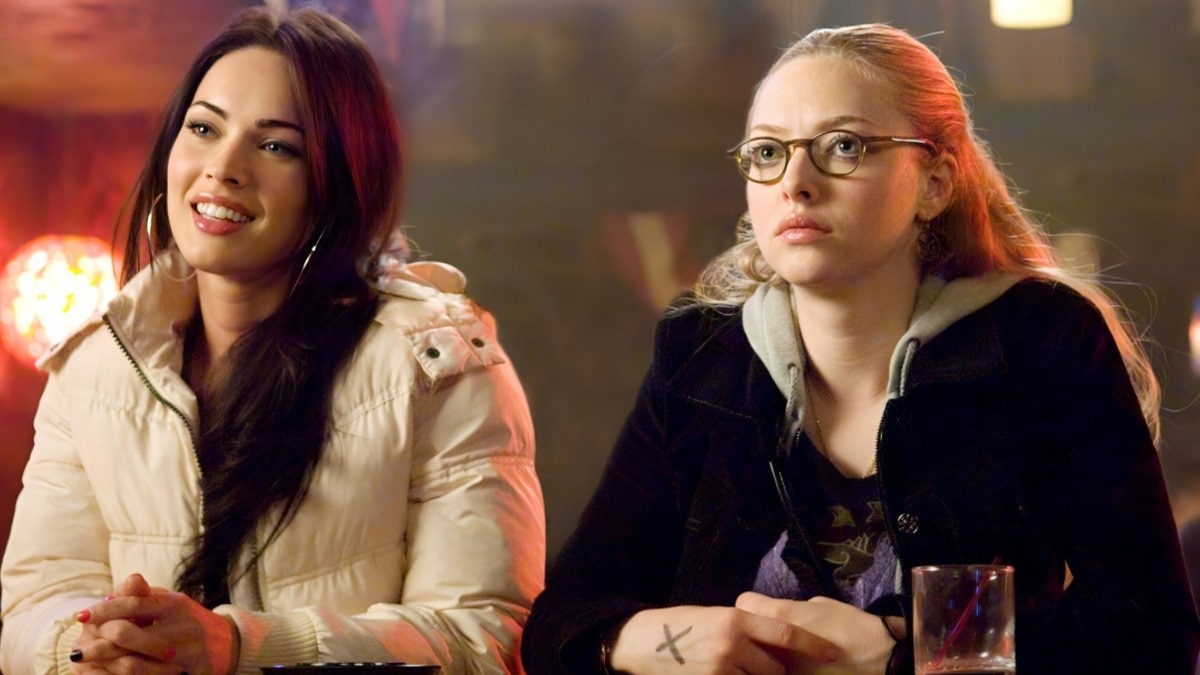
When Jennifer’s Body was released 17 years ago, people either hated it or loved it for all the wrong reasons. It starred Megan Fox, so you can already guess the kind of conversation it sparked. When I first watched it, I saw it as a gory horror film filled with blood, chaos, and shock value. But when I rewatched it a few years later, I finally saw the layers, and the feminist lens was too hard to ignore. That slow reappraisal turned the film into a full-blown cult classic, and now the creation is finally getting its flowers. Yes, the bloody horror comedy is getting a sequel that is said to go beyond just Jennifer and Needy, expanding a story that always had more going on beneath the surface.
What’s wild is that despite all the love it gets today, the film didn’t actually do well when it first came out. It was brushed off as all style, no substance. Critics thought the performances were average and reduced to being about nothing more than sex and murder.
But reading between the lines, I learnt to appreciate how brilliantly Diablo Cody played with the genre. She flipped the script, focusing on the female gaze that saw men feeling afraid to be out alone at night. And in one of the scenes, Amanda Seyfried’s Anita “Needy” was seen offering her jacket to her boyfriend Chip, a small but very pointed dig at the kind of chivalry we’ve been conditioned to romanticise.
In my opinion, one of the major reasons Jennifer’s Body didn’t land back then could be attributed to the marketing. The film was packaged as a hyper-sexualised teen horror, with Megan Fox front and centre, while everything that made it interesting, the writing, the dynamics, and the little nuances, was pushed to the side. Because at its core, Jennifer’s Body was never just about Jennifer. It was just as much about her foil and anchor, Needy, who was, in many ways, the emotional centre of the story.
One of the many bits that stayed with me was how the film portrayed the horrors of being a teenage girl. Jennifer’s transformation doesn’t feel like some wild, out-of-nowhere horror twist—it is a little too on the nose once you sit with it. It’s like watching what happens when a girl is constantly looked at, wanted, talked about, and slowly reduced to just that one thing. You’re desirable, until you’re not. You’re powerful, but only in ways that serve someone else.
The politics of the male gaze
The film plays with the male gaze most ingeniously. On the surface, it looks like it’s feeding into it, with Megan Fox styled to perfection, deliberately shot to be desired. That’s exactly how it was marketed, too. But the more you watch, the more it feels like the film is in on the joke.
Because Jennifer isn’t just being looked at. She uses that gaze, flips it, and turns it into something threatening. The same desirability that’s meant to make her an object of desire becomes the thing that gives her power. And suddenly, it’s the men who are vulnerable, the ones being watched, chased, and consumed. It’s such a clever switch, but it’s also why it flew over so many heads the first time around.
A less palatable female rage
Another thing the film gets so right is how unapologetically unlikeable Jennifer is. It makes audiences squirm and feel uncomfortable because we’re so used to watching female characters who are soft, well-explained, or even redeemed in some way. Even when they’re angry, it has to be justified, neat, and easy to digest. But Jennifer doesn’t care about any of that. She’s angry, selfish, messy, and at times chaotic, but the film does not rush to fix her.
This is exactly why the sequel feels more like a long-overdue second act. It’s a chance to revisit the film with the clarity it was always denied. And this time, it’ll be interesting to see how far it’s willing to go.
Lead image credit: IMDb
Also read: Horror movies are my favourite form of self-care and here’s why it actually makes sense
Also read: A case for the finest Bridgerton brother and why Benedict’s charm does not erase his red flags
more from Life

Are you afraid of your 30s?

Nine movies and shows to add to your watchlist right now

Need a book recommendation? Three authors share their favourite books to read next
Cosmopolitan India turns 30: revisiting our most iconic anniversary covers

Get knotty at Sevilla: The Claridges’ romantic restaurant made for date nights and proposals
“People are shaking and screaming to ‘release’ trauma–so, after years of talking therapy, I tried it too”

Cosmo Quiz with Moses Koul: The singer-actor opens up about his icks, controversial opinions, and more
Cosmo Quiz with Prish: The 'Traitors' star on hot takes, makeup icks, and dilly-dallying through life
Is your style seeking you?

Jasleen Royal on breaking into Bollywood, taking risks, and finding her way