

Rashmika Mandanna on breaking period taboos with Whisper's Periods But Bindaas campaign
The actor speaks to Cosmopolitan India about embracing the unpredictable days of menstruation and why being 'bindaas' starts with self-acceptance.

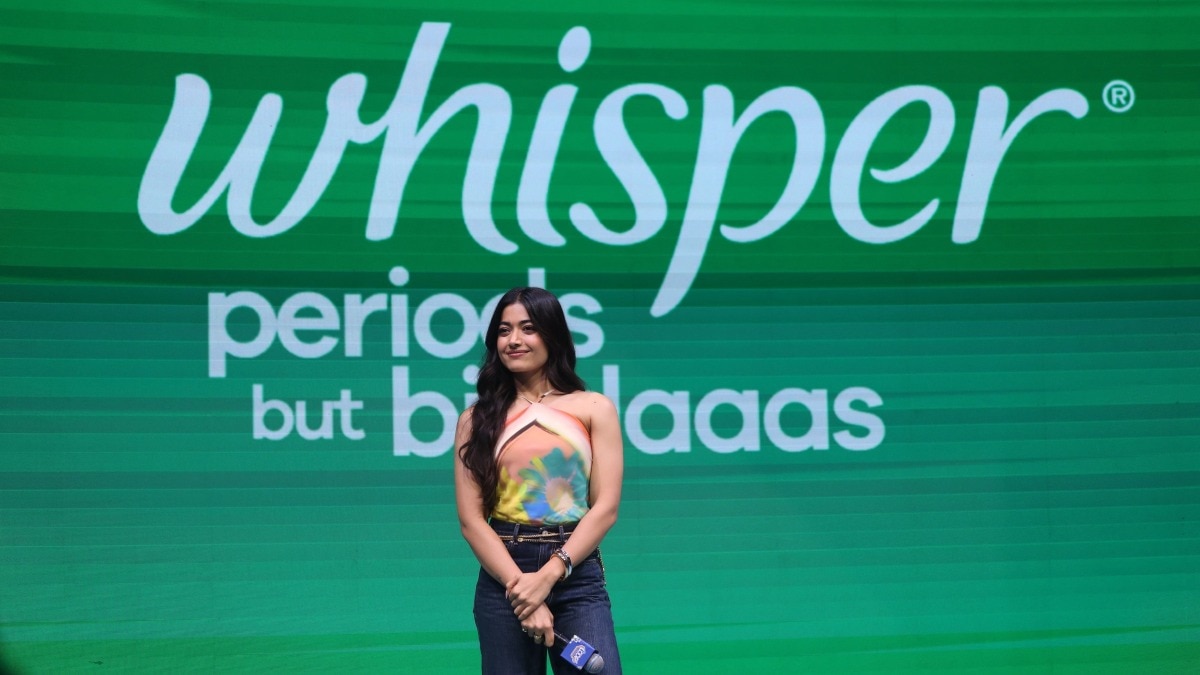
Let's be honest: being a woman sometimes feels like having 17 tabs open in your head, all while being expected to look like you have got it together. For example, mood swings, a packed schedule, and the pressure to show up as your best self- it's a lot sometimes.
Somewhere along the way, we have been made to believe that confidence means being unstoppable, productivity means never slowing down, and periods are something we are supposed to work around quietly. But what if we stopped holding ourselves to that standard?
In Whisper's Periods But Bindaas campaign, Rashmika Mandanna is making a case for showing up as you are, even on the days when you don't feel like yourself.
As the brand ambassador for Whisper, she talks to Cosmopolitan India about embracing the unpredictable side of periods, unlearning menstrual stigma, and why being confident doesn't mean having it all figured out.
Cosmopolitan India: Whisper’s ‘Periods But Bindaas’ campaign challenges the idea that we have to feel our best and be at our most productive all the time. What does being “bindaas” mean to you, especially on days when you’re not feeling like yourself?
Rashmika Mandanna: For me, being bindaas is about being comfortable enough with who I am that I don't feel the need to pretend. You don't have to be happy, energetic, or have everything sorted all the time. Some days you're ready to take on the world, and on other days, you may just want to slow down a little. I think both versions of you deserve to be accepted! That's what I like about Whisper's Periods But Bindaas campaign. It recognises that period days can be messy, moody, or unpredictable, and you don't have to pretend otherwise. You can acknowledge that you're not feeling your best without letting that define you. For me, being bindaas is about giving yourself the freedom to be exactly who you are, whatever kind of day you're having.
CI: Conversations around menstruation have become more open over the years, but period-related stigma still exists. How have you seen attitudes towards periods change, and what do you think still needs to change?
RM: I think we're definitely moving in the right direction. Conversations around periods are becoming more visible, and younger people seem increasingly willing to ask questions and challenge things that previous generations may not have questioned. But we're not quite there yet. Even today, something as natural as menstruation can make people uncomfortable, and girls may hesitate to ask for a sanitary pad or talk openly about period pain. I think the biggest change we need is to stop treating periods as something that should be hidden. That means normalising these conversations at home, in schools, at work, and even among friends. We shouldn't have to lower our voices or look around before talking about something that is a normal part of life. The more we make these conversations part of everyday life, the less power the stigma will have.
CI: Growing up, what were the conversations around periods like for you? Were there any beliefs or misconceptions you had to unlearn as you got older?
RM: I think many girls grow up learning about periods in bits and pieces, sometimes through conversations with family, sometimes at school, and sometimes by asking friends. And when information isn't always easy to access, it's natural for myths and misconceptions to become part of the conversation. As we grow older, we start understanding our bodies better and realise that a lot of the awkwardness around periods comes from the way society has taught us to talk about them, or not talk about them. I think it's important that young girls have a space where they can ask even the simplest questions without feeling embarrassed. No question about your body should make you feel silly. The more informed we are, the more confident we become about understanding our own experiences rather than relying on things we've simply heard from others.
CI: As someone with a busy work schedule, how do you navigate days when you’re physically or mentally not at your best? Has your approach to listening to your body and giving yourself a break changed over the years?

RM: With a busy schedule, you learn that preparation and flexibility go hand in hand. There will be days when you have a packed schedule and have to keep moving, but that doesn't mean you should ignore what your body is telling you. I think it's about understanding what helps you feel comfortable, being prepared for the day, and allowing yourself a little flexibility when you need it. Period care can be part of that preparation, too. For instance, innovations like Whisper's Super Absorbent Period Panty, designed to offer 360-degree leakage protection with the feel of everyday underwear, give women another option for days when they're out and about for long hours. The idea is to spend less time worrying about your period and more time focusing on whatever you have planned. You don't have to be superhuman every day; sometimes, being able to listen to yourself is the most sensible thing you can do.
CI: With younger generations becoming more vocal about topics that were once considered taboo, how can public figures and campaigns like Whisper’s make conversations around periods more relatable and help young girls feel less self-conscious about menstruation?
RM: I think the best way to make these conversations relatable is to make them feel real, rather than treating periods as a subject that only comes up when there's a problem to solve. Young girls should know that it's okay to talk about their experiences, ask questions, and admit when they're uncomfortable. That's why I think the idea behind Whisper's Periods, But Bindaas campaign is meaningful. It acknowledges that period days aren't always predictable and that girls don't have to be perfectly put-together through every single one of them. As public figures, we have an opportunity to help make these conversations feel a little less awkward by talking about them naturally and without judgement. If a girl sees someone speaking openly about periods and realises that she doesn't have to be embarrassed about her own experience, that can be a small but important step. The goal is to make menstruation feel like a normal part of life, not something that girls need to hide.
CI: The idea of being confident is often tied to having everything under control. Do you think we put too much pressure on women to always appear confident and capable, and how can we change that?
RM: Definitely! I think women are often expected to manage so many things at once and make it all look effortless. You're expected to be capable, confident, composed, and ready for whatever comes your way. And if you have a difficult day or need a little help, it can sometimes feel as though you're expected to explain yourself. But confidence doesn't mean you never struggle or that you always know exactly what to do. I think it also means being comfortable enough to say, "I need a minute," or "I can't do this right now," without feeling that you've let anyone down. We need to give women more room to be human, rather than expecting them to constantly prove how much they can handle. You can be ambitious and driven while also recognising that you need rest, support, or simply a little time for yourself. Those things don't cancel each other out.
CI: If you could change one thing about how periods are spoken about or experienced in everyday life, whether at home, in schools, or at work, what would it be?
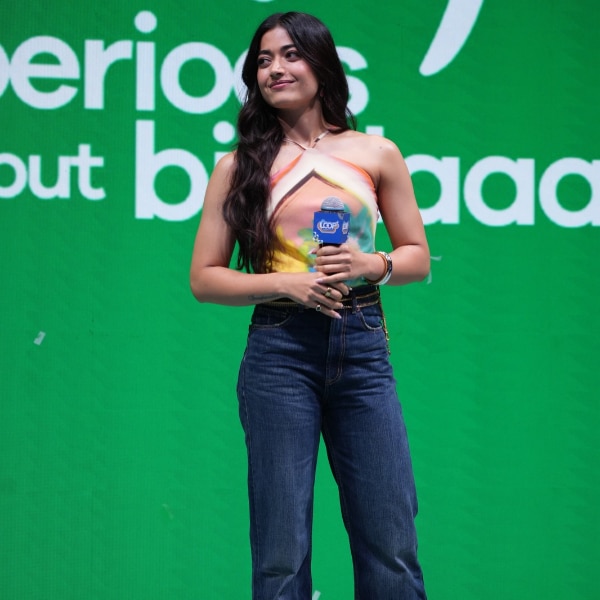
RM: I'd want periods to become such a normal part of everyday conversation that nobody feels the need to make them awkward. Imagine being able to ask for a pad as casually as you would ask someone for a tissue! I think that kind of comfort begins when we stop treating menstruation as a secret and start giving girls the information and support they need. It also means acknowledging the everyday discomforts that come with periods, instead of expecting women to simply put up with them. Something as common as the damp, uncomfortable feeling that can come with period wetness deserves to be talked about, too. Products such as Whisper Choice Ultra, which uses Magic Gel technology to lock wetness away from the skin and help keep women feeling dry, address one of those everyday concerns. Ultimately, I would love for every girl to feel comfortable asking questions, finding what works for her, and going about her day without feeling self-conscious about something completely natural.
Perhaps the biggest takeaway from our conversation with Rashmika is that being bindaas doesn't have to mean being unstoppable. It's about accepting that some days you'll feel on top of the world, while others might call for a little extra rest, patience and self-care. The same goes for periods. We've come a long way in normalising conversations around menstruation, but there's still work to be done before asking for a pad feels as casual as borrowing a hair tie.
Through Periods But Bindaas, Whisper hopes to encourage women to embrace every version of themselves without feeling the need to pretend. After all, confidence isn't about having everything figured out or feeling your best 24/7. It's about showing up as you are, giving yourself grace when you need it, and remembering that even on your off days, you're still very much that girl.
Lead image: The brand
Also read: Why are my PMS symptoms getting worse?
Also read: Yes, you can induce your period: a doctor explains how to do it
Comment
more from Life

Meet Mirumi, the tiny Japanese robot that's about to become the next Labubu
Why financial independence should be a priority for women in their 20s
#SaneGirlEra: Daily rituals to reset your gut, mind, and heart
What happens when a coffee shop starts smelling like a perfume counter?
12 restaurants across India that deserve a spot on your dining wishlist

Why is moving on from an almost-romance so much harder than a relationship?

Years of being a private investigator taught me so much about dating men
What is XERF? Inside the skin tightening treatment Priyanka Chopra Jonas reportedly loves
Need a beauty refresh? These are the buys worth making room for on your shelf

In defense of being a ‘paragraph’ woman