
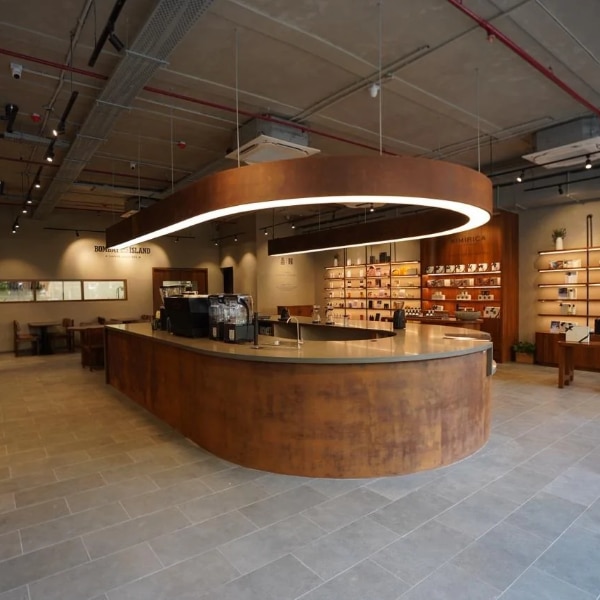
What happens when a coffee shop starts smelling like a perfume counter?
As cafés look beyond the cup, fragrance is emerging as an unexpected part of the modern coffee experience.

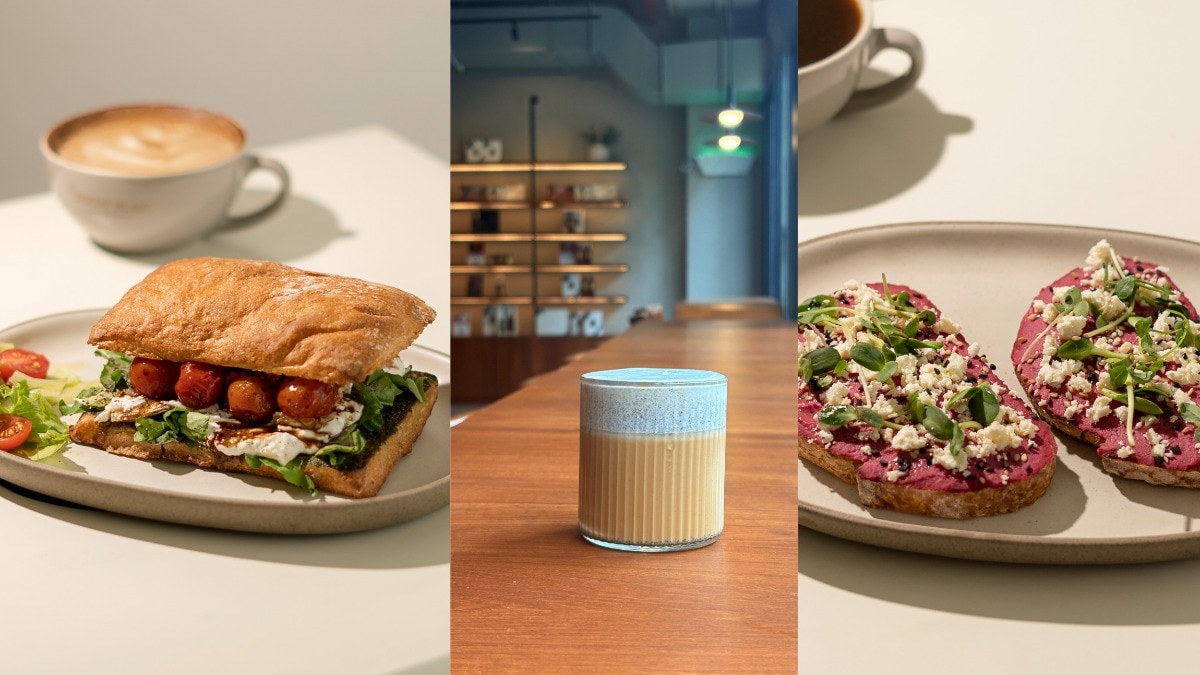
Coffee culture is entering a more sensory era. Beyond specialty beans, elaborate brewing techniques, and aesthetically pleasing cups, cafés are beginning to explore another dimension of the coffee experience: fragrance. Think floral notes, familiar aromas, and carefully curated scent experiences that complement what’s brewing in your cup.
Coffee and perfume have more in common than one might think. Both are deeply personal, rooted in memory, and capable of transporting us to a particular moment through scent alone. At Bombay Island’s new coffee bar, this connection comes alive through an experiential collaboration with fragrance brand Kimirica.
The concept invites guests to explore fragrances along a Fragrance Trail before settling in at the brew bar to discover the nuances of coffee. For Rupal Jain, founder, the idea was to create an experience that goes beyond simply drinking a cup of coffee. “Aroma is what connects coffee and perfume. Sometimes you catch a familiar smell and immediately remember a place or a moment. That was the idea behind bringing coffee and fragrance together,” she says.
When fragrance meets flavour
Just as perfumes have top, heart and base notes, coffee unfolds in stages too: the aroma that greets you, the flavours that emerge with the first sip, and the finish that lingers. This way of thinking also informs the drinks menu. Jain draws attention to the souq cold brew tea, where each element reveals itself gradually. “The saffron and nutmeg give you that first impression. The sweet cream comes through as you sip, and the tea lingers on the finish,” she says.
For her, the magic of a multisensory experience lies in its ability to create an emotional connection. “You might forget what a drink looked like, but weeks later you smell something similar and remember where you were, who you were with, or how the cup tasted,” Jain says.
The rise of the experience-led coffee culture
The shift towards multisensory experiences is part of a larger evolution in how people consume coffee. Mumbai's coffee culture, in particular, is becoming increasingly discerning, with consumers curious about everything from the origins of their beans to processing methods and brewing techniques.
“People have had more exposure to good coffee, and they've become more particular about what they enjoy,” Jain says. This growing interest reflects an audience that wants to understand the craft behind its cup, while also being open to new ways of experiencing it.
One format gaining attention is coffee omakase, which has been introduced at the Andheri brew bar. Inspired by the Japanese tradition of curated tasting menus, it allows guests to sample multiple coffees side by side, understand their flavour profiles, and interact with the barista. “Tasting several coffees side by side gives people a chance to notice differences they might miss when ordering a single cup,” Jain says.
Beyond the Instagram moment
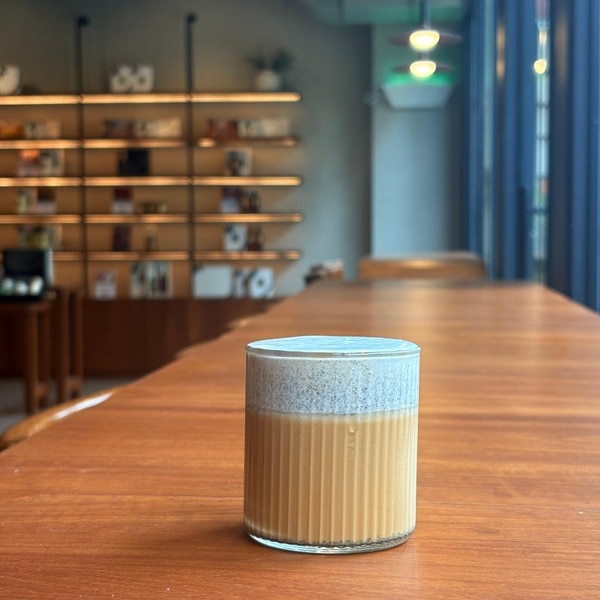
While visually striking drinks and experimental menus might grab attention online, the real test of a coffee trend is whether people want to experience it again. For Jain, creativity must always be balanced with drinkability and consistency.
“A drink can look beautiful and have an unusual flavour, but I still want it to be easy to finish and something I'd come back for,” she says. The focus is on allowing coffee to shine, keeping sweetness balanced, and ensuring the team can recreate every drink consistently, even during a busy service.
Making room for the ritual
As coffee spaces become more experiential, the brew bar is evolving into a destination in itself. At the Andheri outlet, guests can watch a siphon brew, observe their coffee being prepared, and interact with the barista. For Jain, technique and consistency matter, but so does the human connection. A good barista knows when to share the story behind a coffee and when to simply let someone enjoy their cup.
Looking ahead, she hopes coffee bars become spaces that encourage people to pause rather than rush through their daily caffeine fix. “I'd love for it to be a place that makes you pause the first time you walk in and eventually becomes one of your favourite places,” she says.
Perhaps that's where the future of coffee lies: not just in what's inside the cup, but in everything around it. From fragrance trails to curated tastings, the humble coffee run is becoming an experience designed to engage more than just your taste buds.
Lead image: The brand
Also read: Matcha made in India? These are the homegrown brands worth knowing
Also read: Forget your usual cappuccino—these are the coffee orders worth switching things up for
Comment
more from Life

12 restaurants across India that deserve a spot on your dining wishlist

The art of living a life you don't feel the need to post about

A therapy called Access Bars guarantees that you can be happy, and actually stay that way
Are we all experiencing a social battery crisis?

Tech essentials every digital girl needs in her survival kit
The cute-girl snack edit: Little treats to keep handy for all kinds of cravings
From forgotten scenes to missing details, the new 'Harry Potter' series is making up for the movies

Is hiding my shopping bags considered ‘cheating’?
You're used to being hyper-independent, but what happens when you fall in love?

How to branch out if sex feels vanilla, but you don’t know what would be better