
'The Love Hypothesis' and our unending love for the fake dating trope
They pretend to date, catch real feelings, and eventually confess; we know the drill. So why does fake dating still work every single time?

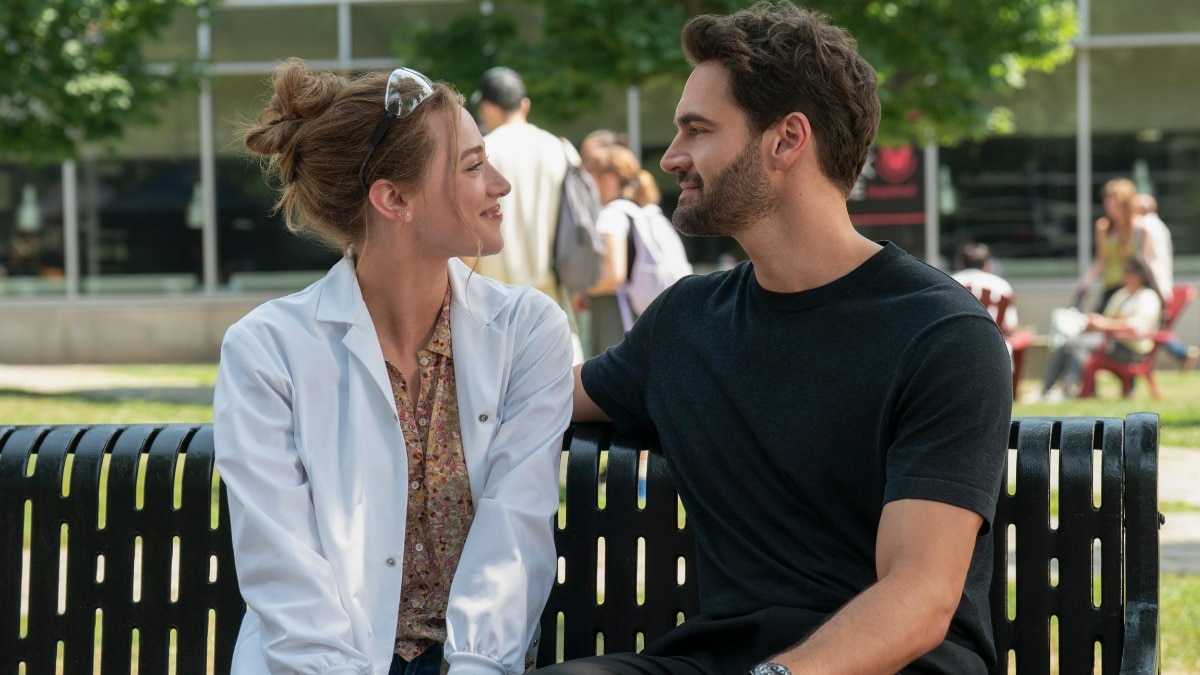
Everyone has a favourite romantic trope, from friends-to-lovers and enemies-to-lovers to second-chance romance. But if there's one collective favourite that seems to work every single time, it's fake dating. You know the plot: two people agree to pretend they're together, each having their own end goal or reason for doing it. It's a mutually beneficial arrangement, with rules, often drawn out in a contract. And it always starts off the same. The fake couple insist they aren't attracted to each other. But as they spend more time together, they begin to feel things they probably shouldn't. And then they kiss for “the sake of the act”, only to realise that the fake relationship is suddenly feeling very real.
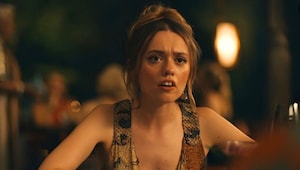
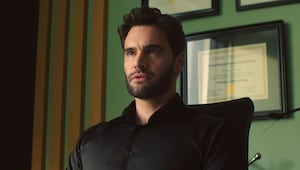
Prime Video's The Love Hypothesis, based on Ali Hazelwood's bestselling romance, follows this exact setup. Olive, a PhD student, agrees to fake-date professor Adam Carlsen so that her best friend Ahn believes that she has moved on from their mutual crush. Adam has his own reasons for going along with it. And just like most fake dating stories, the line between arrangement and real feelings becomes glaringly thin.
The funny thing is that we have watched this story play out on screen many times before, and we still want more. To All the Boys I've Loved Before gave us Lara Jean and Peter Kavinsky, who pretended to date so she could convince her sister's ex, Josh, that she moved on from him, while Peter saw it as a ploy to make his ex jealous. They even set ground rules for the arrangement. In fact, Lara Jean drafted the contract herself.
Prime's other hit series Off Campus used a similar setup with Hannah and Garrett, while books such as The Unhoneymooners and movies like Anyone But You have put their own spin on the same idea. Romance writers may come up with different reasons behind getting into a fake relationship, but the basic formula stays the same, not to mention, always reliable.
We already know they're going to fall in love
One of the biggest reasons the trope works, apart from the fact that it is reliable, is that there is very little mystery about the destination. We know Olive and Adam are not going to finish the movie as two people who successfully completed a fake dating arrangement and went their separate ways. We knew Lara Jean and Peter were going to develop real feelings too. The fun is getting to watch them reach that point.
Fake dating also gives the characters an excuse to do things that would normally feel like a big step in a new relationship. They can hold hands because they have to look convincing. They can go on dates because that is part of the arrangement. They can meet each other's friends or families without having to explain what the relationship means. The characters get all these little moments of intimacy before they have to deal with the fact that they may be falling for each other.
That makes the trope especially good at creating romantic tension. A normal first date comes with the question of whether the other person is interested. In fake dating, both people have already agreed to act interested. So the question becomes much more specific: when did the acting stop? And that's what makes it so compelling. We've already watched this scene in different formats, but it still always works.
The hand-holding starts as part of the deal. The jealousy doesn't. The kiss might have been for the optics, but the feelings definitely aren't.
Skip the awkward part
Dating in real life can feel uncertain, and that's probably why the whole idea of fake dating feels so appealing. People who use dating apps know that you can spend weeks trying to figure out whether or not someone is interested. Despite the endless conversations about what you're looking for, you still have no idea where things are going or whether it's even worth putting any time and effort into it. But fake dating skips this stage altogether. The relationship already has a label, even if everyone involved knows it is technically a lie. That is why the trope has so much room to play with different kinds of romance.
In Off Campus, Hannah and Garret's arrangement gives them a reason to spend time together when they might not have otherwise. In The Love Hypothesis, the fake relationship gives Olive and Adam a way into each other's lives that neither of them would have necessarily chosen on their own. The setup creates proximity, and proximity does most of the work from there.
And perhaps the biggest appeal is that fake dating lets us watch people fall in love without the characters having to make the first move. Someone else has already created the situation for them. They just have to deal with what happens once the feelings become real. That is probably why the trope keeps showing up across books, movies, and series. We know the rules, we know the ending, and we still want to see the moment when one character finally realises, " Wait, I actually like you."
And as long as romance gives us that moment, we will probably keep signing up for that fake relationship between two attractive people on screen.
Lead image: Prime Video
Also read: Maitreyi Ramakrishnan's 'Best of the Best' is basically every desi girl's college fantasy
Also read: The big-boob tax is real: Why girls with bigger busts often pay more
more from Life

Maitreyi Ramakrishnan's 'Best of the Best' is basically every desi girl's college fantasy

Give your rom-com reads a refresh, and pick up these thriller reads instead
Does the ‘buy-nothing’ experiment actually help or backfire?

The big-boob tax is real: Why girls with bigger busts often pay more
The biggest hobby trends are all about making something
Why your screen-free hobby is probably someone else’s Instagram content
I thought being a sugar baby was going to be easy money, but my first paid date taught me otherwise

Love a stained glass lip? Here's how to recreate it?
What’s a black cat boyfriend?

We hate AI in our dating lives, but we can’t stop using it