
The most powerful queer love stories are hidden in these 7 books
These novels and memoirs prove queer love has always shaped history from the shadows.

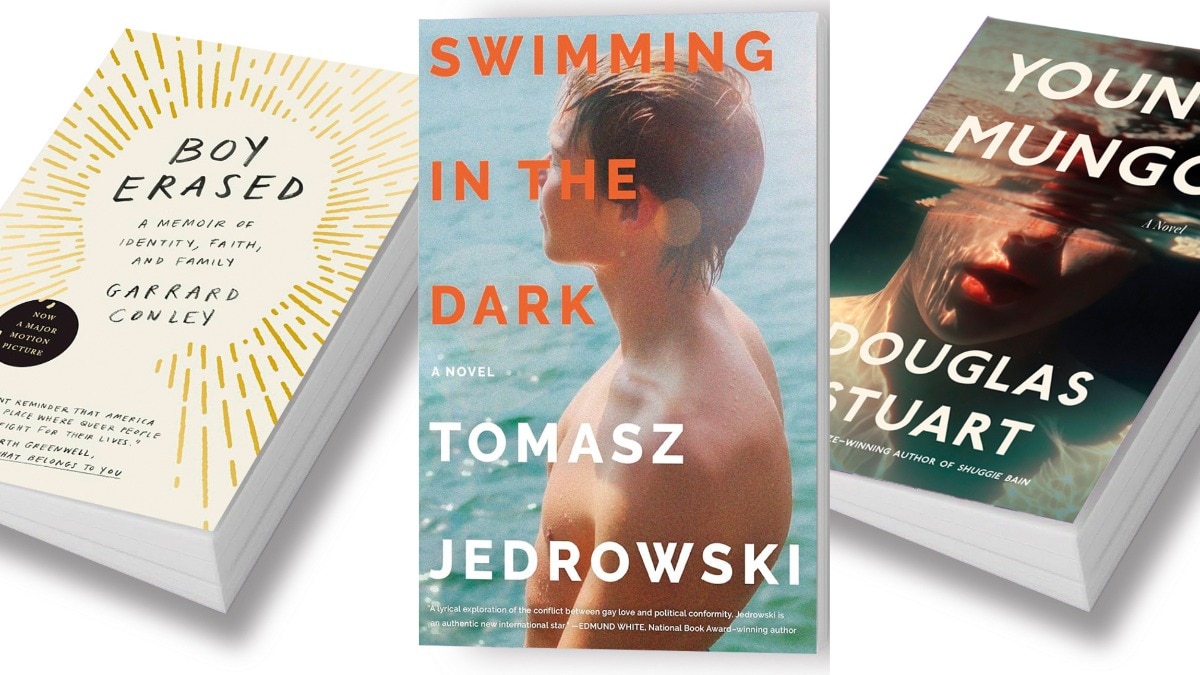
Celebrating Pride month goes much beyond the generic Instagram algorithm-feeding words proclaiming with sobriety, "Pride was a protest." True, it is a sombre fact of the queer movement that often gets overlooked in today's age of free market capitalism. But, it is also worthwhile to remember that some of the best queer love stories aren't just an explortion of desire and romance; but historical documents holding within the folds of their prose an archive of a moment in time. Across 20th century England, modern Europe, and America's culture wars, these seven underrated titles capture what it means to love under pressure.
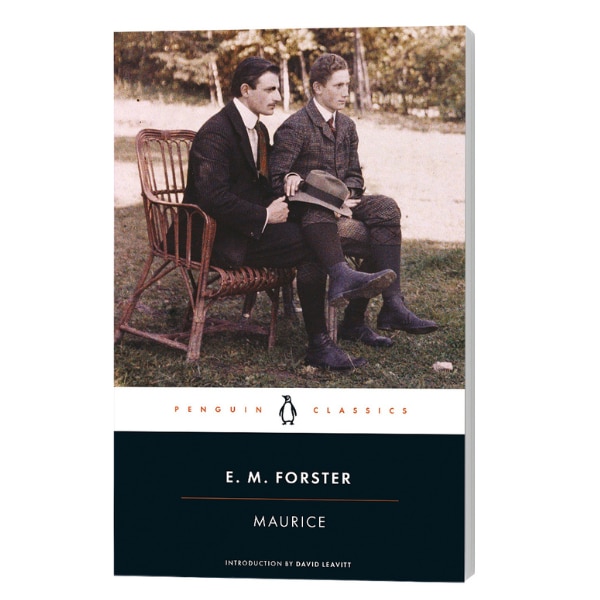
Maurice by EM Forster (1971)
A landmark classic by Forster in the canon of queer literature, this novel follows Maurice Hall as he grows up in a life of privilege and comfort and progresses through traditional English education that only encourages him to repress troubling questions about his unspoken desires. At the University of Cambridge, he meets Clive, an assured older student with whom he enjoys a close and intense relationship. Sneaking around college, climbing through windows and skipping lectures, Maurice begins to grasp a less conventional view of the nature of love until, on a trip to Clive's family estate, he meets Alec, who brings his emotional and sexual awakening to an unforseen pinnacle. Completed in 1914, but remaining unpublished till the author's death in the 1970s, Forster's queer masterpiece is an archival chronicle of the belligerent demands of an English society trying to recuperate under the shadows of two world wars- and, an ode to the courage life demans of queer lives.
Tramps Like Us by Joe Westmoreland (2001)

An instant classic written in the vein of a lovechild between Mark Twain’s Adventures of Huckleberry Finn and the Beat poets, this book follows Joe, a young gay man criss-crossing 1970s and ’80s America in search of salvation. Abused by his father and stifled by closeted life as a teenager in Kansas City, Joe graduates from high school in 1974 and hits the road hitchhiking. But it isn’t until he reunites with Ali, his hometown’s other queer outcast, that Joe finds a partner in crime. When the two of them finally wash up in New Orleans, they discover a hedonistic paradise of sex, drugs, and music that only expands when they move to San Francisco in 1979. Written with unabashed vulnerability, the novel is an adventure of self-discovery and belonging set across a consequential American decade that saw the dual onset of the gay liberation and the AIDS crisis.
Boy Erased: A Memoir of Identity, Faith, and Family by Garrard Conley (2016)
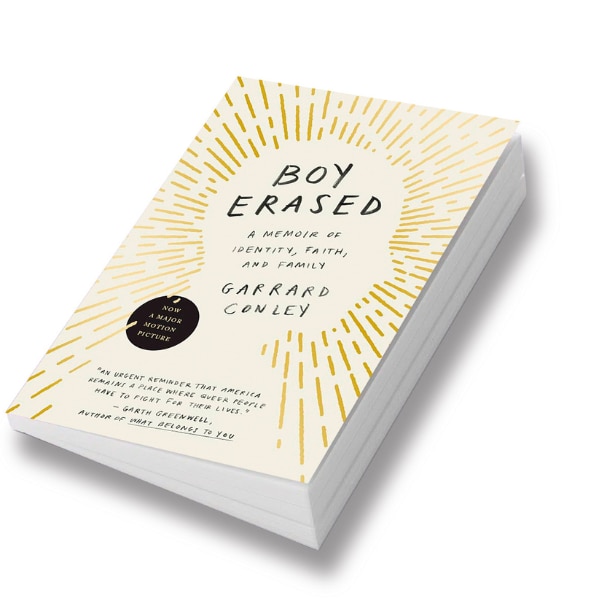
A harrowing, yet tenderly human depiction of the cost of conversion therapies, this memoir follows the terrified and sexually conflicted son of a Baptist pastor in small town Arkansas. When Garrard, a 19-year-old college student, is forcibly outed to his parents, he is condemned to attend a church- supported conversion therapy program that promises to “cure” him of homosexuality. Through an institutionalised 12-step program heavy on Bible study, he is supposed to emerge heterosexual, ex-gay, cleansed of impure urges, and stronger in his faith in God. The memoir confronts us with an apparatus of queer repression that we often overlook in the modern world; but one that continues to claim thousands of lives across the globe. Despite its shattering accounts, Garrad’s memoir is ultimately a tale of the triumphant human spirit.
The Heart’s Invisible Furies by John Boyne (2017)
Beginning in 1945, in the small Irish village of Cork, this picaresque novel by Irish author John Boyne is a moving portrait of how religions and state machineries intersect to dictate civic codes of sexuality and desire. Borrowing a leaf from Nathaniel Hawthorne’s The Scarlet Letter, the novel traces the story of Cyril Avery, who is born out of wedlock to a teenage girl cast out from her rural community and adopted by a well-to-do, if eccentric, Dublin couple. Cyril is adrift in the world, anchored only tenuously by his heartfelt friendship with the glamourous, yet dangerous, Julian Woodbead. At the mercy of fortune and coincidence, he proceeds to spend a lifetime attempting to know himself. One of Boyne’s most transcendent works of fiction, it traces the story of Ireland from the 1940s to the present day referendum voting gay marriage into order—through the eyes of one ordinary, queer man.
Young Mungo by Douglas Stuart (2022)
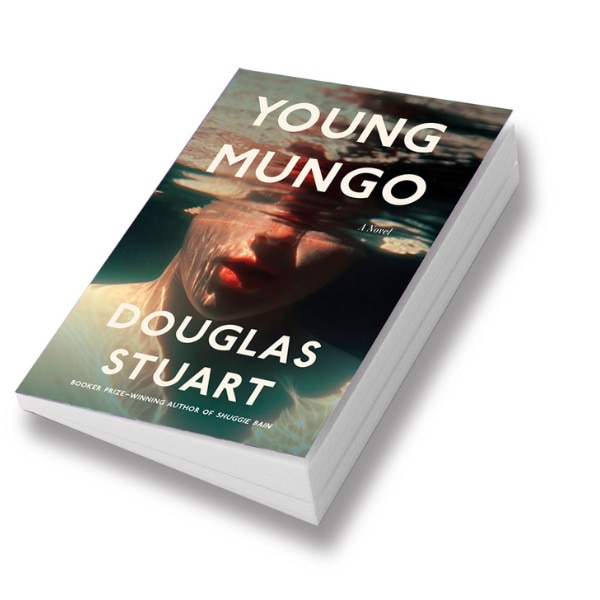
A vivid portrayal of queer working-class romance, the novel follows the story of protestant Mungo and catholic James as they are caught between two of Glasgow’s housing estates, where young working-class men divide themselves along sectarian lines, and fight territorial battles for the sake of reputation. As the boys begin to fall in love amid this hostile environment, they dream of escaping the grey city, as Mungo continues to hide his queerness from his elder brother Hamish, a local gang leader with a brutal reputation to uphold. With the threat of discovery looming constantly overhead, things go terribly south when Mungo’s mother sends him on a fishing trip to a Scottish loch with two strange men with a murky past. Imbuing the everyday world of its characters with rich lyricism,the novel is a gripping and revealing story about the meaning of masculinity, the love and forgiveness afforded to even the cruelest of family members, the violence faced by queer people, and the dangers of loving someone too much.
All Down Darkness Wide: A Memoir by Seán Hewitt (2022)
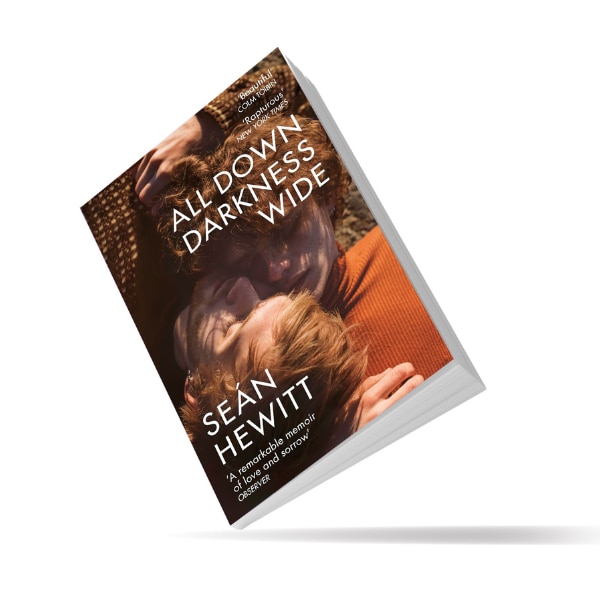
Seán Hewitt’s haunting memoir begins with the story of the narrator discovering on the internet that his former lover, Jack—with whom he had an intense summer of romance in Cambridge— has passed away untimely. After this discovery, the memoir pulls us back to another, second romance in the modern-day between Seán and the Swedish Elias; one heavily marked by Elias’ ongoing struggles with depression. But Hewitt’s memoir does not eulogise Elias and his ailing. By borrowing its title from a poem by Gerald Manley Hopkins—a devout catholic and a widely documented closeted homosexual—the memoir delves into a queer history by enlisting the author and poet’s varied encounters with ghosts of past queer figures and poets. From a 19th century cemetery in Liverpool to the pine forests of Gothenburg, Hewitt plumbs the darkness to arrive at a mesmerising story of heartache and renewal that paints a world which often sets happiness and queer life at odds.
This article originally appeared in Cosmopolitan May-June 2026 print issue.
Also read: The Indian “good daughter” looks different today, and the old rulebook no longer applies
Alsp read: The new house party has one rule: keep it intimate
Comment
more from Life

Me, myself and I: How to tell if you’re the group’s conversation hog

Not every shower thought needs to become a side hustle, and Morgan from ‘Nobody Wants This’ proves it

'Our obsession with true crime isn’t just morbid curiosity—it's all part of our desire to regain control'

Why advent calendar unboxing videos are my favourite kind of holiday content

“Why choosing a man-repellent haircut was the most liberating thing I did”

How to make the lingerie-as-outerwear trend work for your wardrobe

Are you and your partner having mercy sex? This is how sex expectations can damage relationships

Welcome to emotionships—where you have feelings but no relationship status

Dear universe, when am I going to get a boyfriend?

Inside the sexual fantasy forums where women share their deepest desires