
The psychology behind friendship trios and why they don’t always last
Three’s company…until it suddenly isn’t.

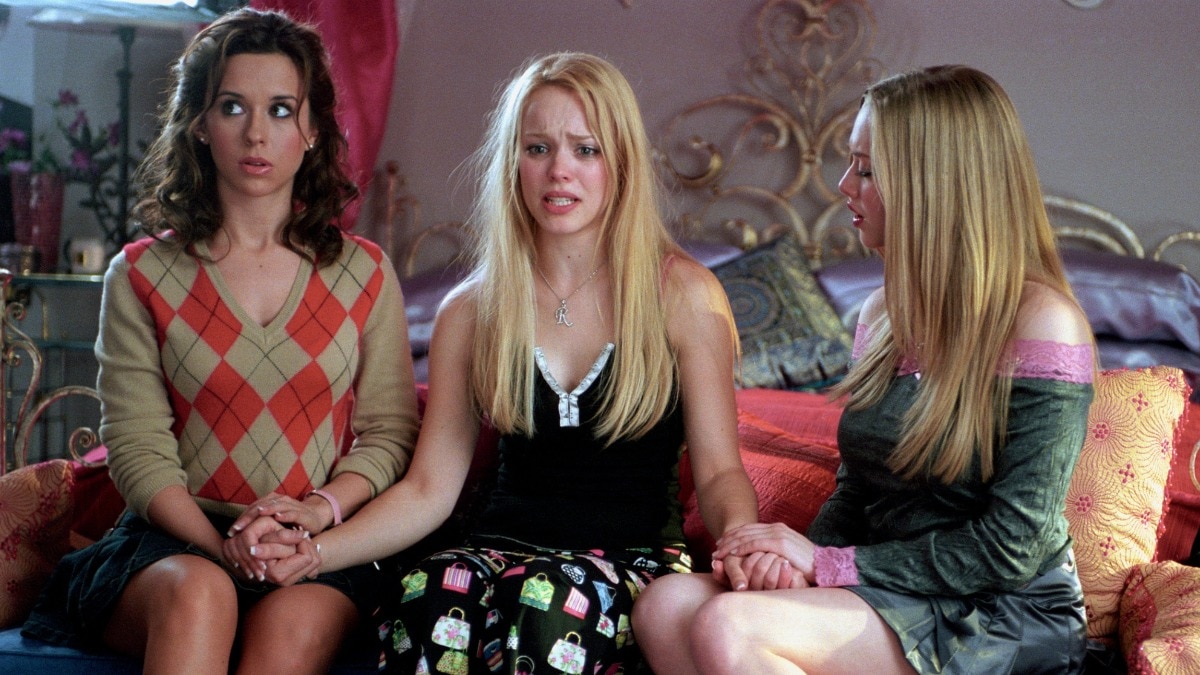
If you grew up in a friendship trio, you already know the vibe. It feels special. Intense. Almost sacred. There’s so much love, so many shared memories, so many late-night conversations that feel like they’ll last forever. Growing up, trios feel like the ultimate friendship jackpot. Until one day, they don’t.
As you get older, you usually fall into one of two camps: you either love your trio to death, or you look back and realise it quietly held some of the most confusing, emotionally exhausting years of your life. I fall into the second category. Because no matter how close a trio feels, the reality is almost always the same: two out of the three people are much closer than the third. And that third friend slowly starts feeling like a third wheel in their own friendship.
The signs are always there. Inside jokes you don’t get. Plans that were apparently made “last minute”, which is why you weren't invited. Conversations that seem to start halfway through. Secrets you're not invited to know because it's just such a long story. Of course, you’re not excluded, is what they say, but you feel it anyway. And over time, that feeling gets harder to ignore. And before you call it jealousy, insecurity, or some other colourful monster, remember that intuition isn’t drama. It’s not just in your head either; it’s your brain connecting dots you didn’t imagine.
Psychology has long suggested that friendship trios are naturally unbalanced. Clinical psychologist Dr Sabrina Romanoff spoke about it in an interview, mentioning “...the intrinsic imbalance that exists in groups of three where the bonding of two members can easily make the third person feel discounted.” And so the third can end up feeling overlooked, even if no one is actively trying to leave them out. It’s not about cruelty. It’s about closeness.
The psychology behind the imbalance
That’s how the two-and-one dynamic quietly creeps in. It’s subtle, quiet, and very easy to dismiss at first. But slowly and inevitably, the trio starts feeling like a duo with a plus-one who didn’t ask for the role.
There’s even a psychology term for this (because of course there is): triangulation. Coined in Murray Bowen’s family systems theory, three-person dynamics tend to slip into something called triangulation, where two people naturally gravitate towards each other during stressful or emotional moments, and the third ends up emotionally benched. No villains here. No evil plotting. Just life, timing, and closeness doing their thing.
The part no one talks about
What makes friendship trios extra tricky is that they’re almost impossible to talk about without feeling weird. Bringing it up can make you sound dramatic. Or insecure. Or like you’re “overthinking it”. So most people don’t. They stay quiet. They overcompensate. They keep adjusting. One person becomes the peacekeeper, the one who keeps showing up, while the other two grow closer without realising the emotional imbalance they’ve created.
Now, this is not to say that every friendship trio is doomed. I might have had my fair share of doomed trios, but I do know a handful of others that have grown beautifully over the years and might even last a lifetime. Because they were all about honesty, less secrecy, and everyone feels chosen, not just conveniently included.
Lead image credit: IMDb
Also read: Low-maintenance friendships are on the rise and here's why we’re apart but closer than ever
Also read: Why your best friend might be the most stable relationship you’ll ever have
more from Life

Need a book recommendation? Three authors share their favourite books to read next

Cosmopolitan India turns 30: revisiting our most iconic anniversary covers

Get knotty at Sevilla: The Claridges’ romantic restaurant made for date nights and proposals

“People are shaking and screaming to ‘release’ trauma–so, after years of talking therapy, I tried it too”

Are we overthinking social media posts more than ever?

'Koffee With Karan' is ending—so, who will get Bollywood to spill the tea now?

'The Lizzie Borden Story': fact vs fiction–from her real-life sister Emma to burning a dress, what's true?

Is your style seeking you?

Jasleen Royal on breaking into Bollywood, taking risks, and finding her way

Is the “just in case” fashion hack making us dress for plans that don’t exist?