
Has society’s obsession with being thin distorted our idea of a healthy body?
A viral image has reignited the skinny ideal debate, but the real conversation isn’t about one woman’s body. It’s about why we still equate smaller with better.

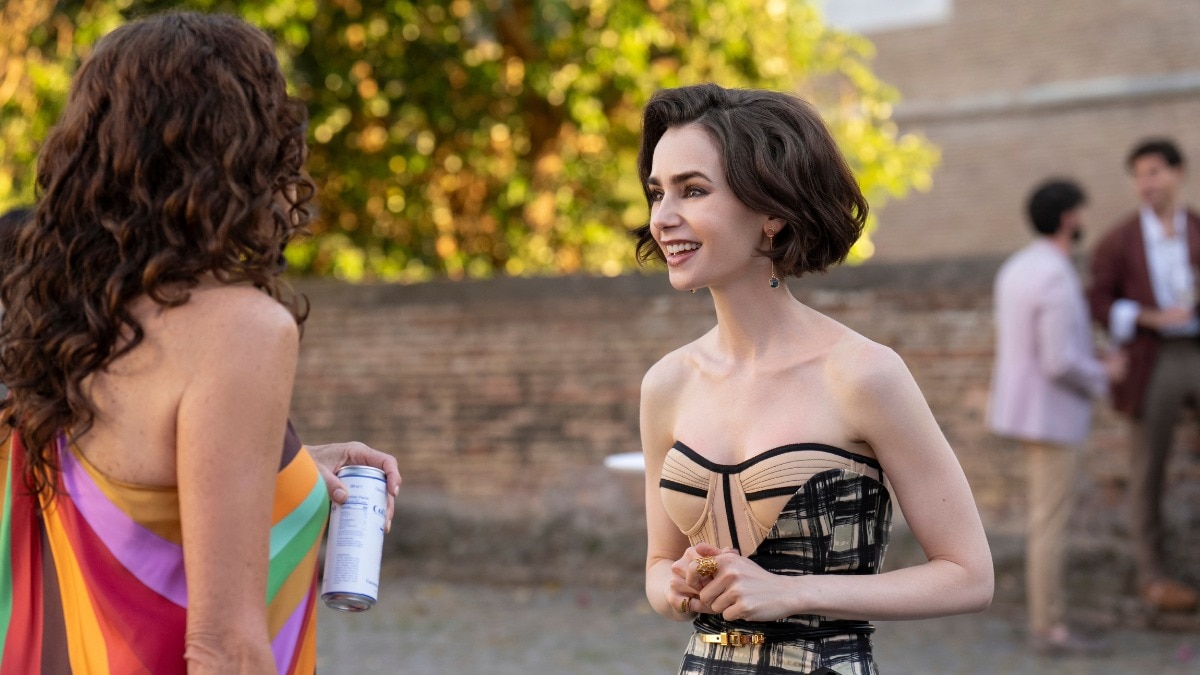
A recent photo of Demi Moore circulating online has triggered a familiar, and uncomfortable, cycle of commentary. Screenshots were shared, opinions were formed, and once again, a woman’s body became public property.
But beneath the noise lies a deeper issue: the enduring belief that thinner automatically means healthier, more disciplined, more desirable. For decades, women have been conditioned to associate beauty with shrinking, with taking up less space, weighing less, and appearing smaller. The “size zero figure” was positioned as the gold standard, and anything outside of it was framed as a failure.
But the truth is far less simplistic.
For generations, thinness has been marketed as a virtue. Fashion, film, and advertising reinforced the idea that the ultimate aspiration was to be petite, weightless, almost fragile. While extremes at either end of the spectrum can pose health challenges, particularly when linked to medical conditions, the cultural glorification of being extremely thin has rarely been questioned with the same intensity as other body types.
And it’s not just everyday people who feel this pressure; public figures do, too. During the Wicked: For Good promotional cycle, Ariana Grande faced widespread commentary about her appearance, with some social media users suggesting she looked “so unhealthily thin” and expressing concern about her health amid back-to-back press appearances and premieres.
The intense scrutiny extended to speculation about her schedule, nutrition and even unfounded theories around weight-loss drugs, illustrating how readily the public jumps to assess an individual’s health based on looks alone. Grande herself has spoken openly about the discomfort of such scrutiny, describing years of commentary on her body as feeling like being “a specimen in a petri dish” and urging people to refrain from commenting on others’ appearances.
Similarly, Lily Collins’ appearance at the Calvin Klein show during New York Fashion Week sparked debate online, with fans and followers expressing concern after images highlighted how slender she appeared. Some called out the commentary as yet another example of body shaming, particularly given Collins’ own candour about past struggles with eating disorders, while others insisted such public conjecture crosses a line. These moments reveal a pattern: women in the public eye are judged not only for their work but for the smallest visual details of their bodies, regardless of context or personal health realities.
Yet science paints a more nuanced picture.
Low body fat combined with low muscle mass can increase the risk of osteoporosis, fractures, and physical frailty over time. As women age, particularly through perimenopause and menopause, estrogen levels decline. Bone density naturally decreases. Muscle mass becomes harder to maintain. In this phase of life, strength is not aesthetic; it is protective.
Muscle supports bone health, regulates metabolism, stabilises blood sugar, and even contributes to cognitive resilience. Healthy fat reserves also play a crucial role in hormonal balance. A body that is chronically undernourished or overly restricted may struggle to navigate these transitions with ease.
This is not an argument for one “ideal” body type over another. It is a call to dismantle the myth that the smallest body is somehow deemed the healthiest. Wellness cannot be measured by how little space someone occupies. It is reflected in energy levels, resilience, strength, and long-term vitality.
Equally important is the culture of commentary that continues to police women’s appearances. The scrutiny directed at public figures often mirrors the internal pressure many women feel privately. Instead of questioning whether someone looks “too thin” or “not thin enough,” perhaps the better question is why society feels entitled to evaluate women’s bodies at all.
Ultimately, autonomy is the point. A woman’s body, whether she is famous or not, is not a public referendum. The obsession with size only distracts from conversations that actually matter: nourishment, strength, mental well-being, and sustainable self-care. The real aspiration isn’t to be the smallest person in the room, but to be resilient enough to move through every decade with confidence and independence. As this viral moment continues to circulate, perhaps it offers an opportunity to finally abandon the tired equation of “smaller equals better.” Bodies are not trends to be evaluated; they are living, evolving systems that support ambition, creativity, and change. Redirecting energy away from critique and toward cultivating healthier habits and deeper self-respect would be a far more meaningful shift, because at the end of the day, it is her body, and that pretty much ends the discussion.
Image credits: Netflix
Also read: Are we suffering from ‘authenticity burnout’?
Also read: Decoding the 4×4 by 4 pm routine that will make you unstoppable
more from Life

Why your screen-free hobby is probably someone else’s Instagram content

Did Instagram make you eat here?

One of the main 'Bridgerton' cast members is stepping away from the show

The AI ’80s trend is fun, but maybe stop handing over your face to every viral trend

Gen Z is choosing 'soft hermitting' over another night out

The great pillow talk recession is here
Move over, leopard Bambi nails are the sweetest animal-print trend of fall

The gradual death of the Instagram hard launch

The wildest looks from the 2026 Emmys red carpet

Wait, is the side part cool again? Gen Z celebs say yes