
Are we suffering from ‘authenticity burnout’?
When being genuine and cool starts to feel like another performance

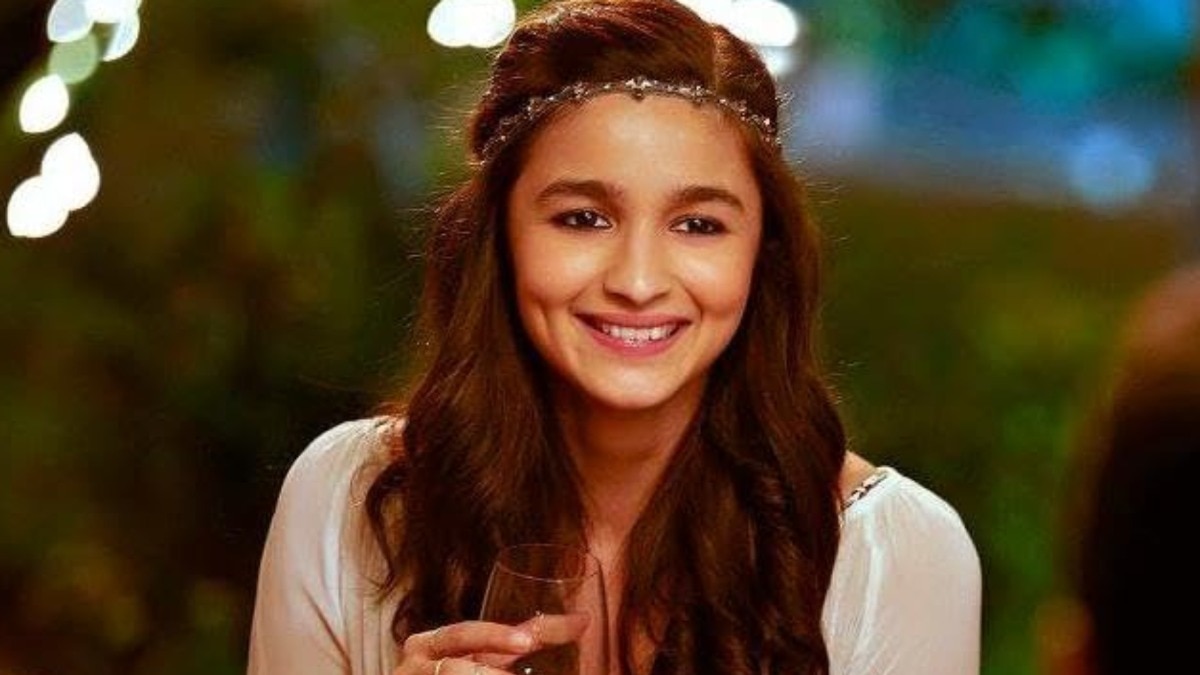
When did being “real” become so exhausting? Somewhere between soft launches, trauma dumps, photo dumps, and “no filter” selfies that definitely have a filter, authenticity turned into a full-time job. We were told to show up as our true selves online, to be vulnerable, to share the messy middle, to romanticise our breakdowns and caption them with self-aware humour. And for a while, it felt freeing.
But now? Now, it feels like pressure. The pressure to be effortlessly cool but also deeply self-aware. To have niche interests without trying too hard. To post crying selfies but make them aesthetic. To say “I am healing” and trying to look hot doing it. Being genuine is no longer just about living honestly; it is about curating honesty in a way that performs well, and that is where authenticity burnout kicks in.
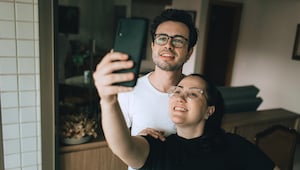
Scroll through any social media feed, and you will see it. The “messy” GRWM, the unfiltered rant that is perfectly framed, that chaotic life update that somehow has great lighting. Vulnerability has become content, and content has become currency.
There is nothing wrong with sharing your life online. But when every emotion is shaped for an audience, you start editing yourself in real time. You think about how your sadness will land. Whether your opinion sounds evolved enough, or whether your personality is consistent with your grid. It is subtle, but it is draining. You are not just living, you are managing a character, which is you in this case.
Over time, this constant self-awareness creates fatigue. You question whether you actually like that indie band or if you just liked being the kind of person who likes it. You wonder if you are healing or just narrating your healing arc.
Gen Z has mastered the art of looking unbothered. We love a low-effort vibe. Thrifted fits, ironic humour, and saying “I don’t care” or "Whatever" while clearly caring a lot. The problem is that even not caring has become an aesthetic.
The cool girl energy now requires research. You need the right references, the right playlists, the right micro trends. You have to know when to delete Instagram for your “mental health era” and when, and more importantly, how to come back with a rebrand. It is exhausting to constantly calibrate your personality to stay relatable, but not basic.
Authenticity burnout happens when you realise you are performing nonchalance. You are trying so hard to be chill that you are anything but chill at the end of the day.
There is also the emotional cost. The internet rewards vulnerability with likes and validation. But once the comments stop rolling in, you are left with the reality that thousands of strangers now know your most personal thoughts.
That can create a strange hangover. Did I share too much? Was that for me or for attention? Am I actually processing my feelings or just seeking validation from my followers?
When every milestone, heartbreak, and breakthrough is public, it becomes harder to know what is sacred. Constant sharing can blur the line between connection and exposure. And sometimes the most authentic thing you can do is log off and keep something to yourself.
Maybe the solution is not to become less authentic, but to redefine what that means. Authenticity does not have to be loud. It does not need an announcement post. It can mean changing your mind privately. It can mean liking what you like without having to explain it.
If you feel tired of being “on” all the time, you are not alone. Authenticity burnout is real. And the most rebellious thing you can do right now might be to stop performing your personality and just live it, even if nobody is watching.
Lead image: IMDb
Also read: Why boundaries on friend trips are the ultimate travel essential
Also read: What emotional safety really looks like in everyday relationships
more from Life

Why your screen-free hobby is probably someone else’s Instagram content

Did Instagram make you eat here?

One of the main 'Bridgerton' cast members is stepping away from the show

The AI ’80s trend is fun, but maybe stop handing over your face to every viral trend

Gen Z is choosing 'soft hermitting' over another night out
How to get rid of milia, according to a dermatologist
Why are men so comfortable shaming Katrina Kaif's postpartum appearance?

The great pillow talk recession is here
Move over, leopard Bambi nails are the sweetest animal-print trend of fall
The gradual death of the Instagram hard launch