
This fake takeaway app is proof that we are simply addicted to anticipation
A viral South Korean app where your food never arrives might sound bizarre, but it's exposing something surprisingly relatable about how we shop, scroll, and wait.

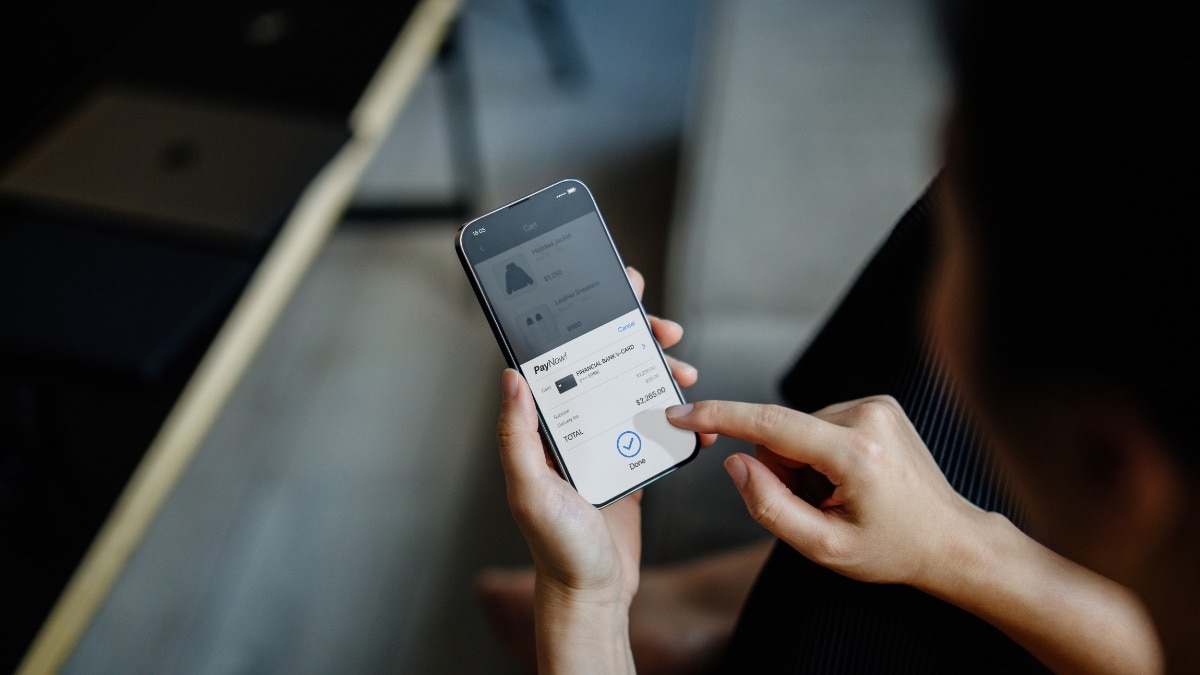
Like most of my peers, I love shopping online. I may even be a tad addicted to it. And most of the time, it doesn't really matter what I'm buying. The minute my paycheck comes through, I'm scrolling through shopping apps for fashion and beauty buys, food parcels, books, and even the occasional, completely unnecessary stationery. Of course, I like the things I buy, but sometimes, it's the process that keeps me coming back.
The point of this fun and unique app is that it lets users enjoy the thrill of placing an order and tracking its progress without spending any money or receiving the order. Yup, the food never comes; it's in the name! Is it (a tad) ridiculous? Maybe. Is it still a hit? Absolutely. Because it taps into the reality that we're no longer just addicted to buying things; we're addicted to the anticipation of waiting for them.
The anticipation economy
We've been living in the anticipation economy for years. FoodNeverComes may have gone viral because of its bizarre premise, but the feeling it's tapping into isn't exactly revolutionary. It's been the backbone of online shopping for as long as I can remember.
Think about it. The whole point of a wishlist is to keep you wanting something. You're not buying it yet, but you're not letting it go either. Then brands swoop in with sale countdowns, promo codes, restock alerts, limited-time deals, and those panic-inducing labels glaring at you with, "Only 2 left!" And all of a sudden, a dress you were happily ignoring five minutes ago, because you don't really have an occasion coming up to wear it, feels like it absolutely has to be yours.
Apps and companies caught on pretty quickly and realised that users were buying into the experience of it rather than the actual purchase. And hence came the endless cycle of the anticipation economy.
Why are we addicted to waiting?
It's not exactly breaking news, but our brains happen to be a little dramatic. We like the reward, sure, but more than that, we love looking forward to it. According to psychologists, dopamine is closely tied to anticipation, meaning your brain starts celebrating long before the reward actually arrives. It's probably why planning a holiday feels almost as exhilarating as going for it. It's why you're always refreshing your inbox after a job interview, or why you check your food delivery app every two minutes even though the estimated arrival time hasn't really changed.
A little uncertainty only adds to the thrill. Your brain stays locked in, waiting for that next update, and every notification feels like a tiny win, keeping the excitement alive until the big payoff. Which is also why the package waiting on your doorstep can sometimes feel a little meh.
Psychologists call this the arrival fallacy. It's the tendency to believe that reaching a goal, whether it's buying the thing you've been eyeing for weeks, landing your dream job, or finally going on that holiday, will make you happier than it actually does. Now, we're not saying it won't make you happy. It's just that we spend so much time building things up in our heads that we end up overestimating how that purchase actually makes you feel, or rather, how long that feeling might last.
Anticipation isn't the villain here. It's what helps us survive the mundane. It keeps us hopeful, curious, and excited about what's around the corner. The problem is that when we get so caught up chasing the next hit of dopamine, we forget to enjoy the thing we were anticipating in the first place. If every purchase, plan or milestone is just a stepping stone to the next one, we're constantly living a few days, weeks, or months ahead of ourselves.
Our take? Go ahead and stalk your parcel tracker. Add that dress to your wishlist. Count down the days until your holiday like it's your full-time job. And while you do, make sure you don't forget to enjoy them once they arrive. Otherwise, you'll blink, the package will be open, the holiday will be over, and you'll already be refreshing your screen, looking for the next thing to look forward to.
Lead image: Getty Images
Also read: Are social media trends emptying our wallets (and minds)?
Also read: How to break your screen addiction without going off the grid
more from Life

Why advent calendar unboxing videos are my favourite kind of holiday content
Unique gifts for every personality: Meet them where they are

#SaneGirlEra: Six research-backed apps to help you cope with anxiety

How to make the lingerie-as-outerwear trend work for your wardrobe

Are you and your partner having mercy sex? This is how sex expectations can damage relationships

Welcome to emotionships—where you have feelings but no relationship status

Dear universe, when am I going to get a boyfriend?
Inside the sexual fantasy forums where women share their deepest desires

Are you too independent to be loved?

We know what a healthy relationship looks like, so why do we keep making excuses for the unhealthy ones?