
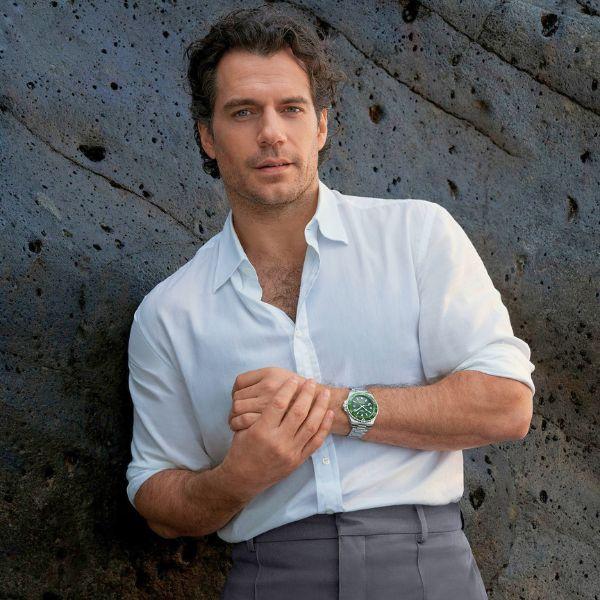
Time is luxury. Youth wants in.
Patrick Aoun, president and CEO at Longines, speaks to Cosmopolitan editor Snigdha Ahuja on the rise of the younger luxury consumer, how women have shaped the trajectory of the watch business, and why India is a market everyone wants to dial in to.

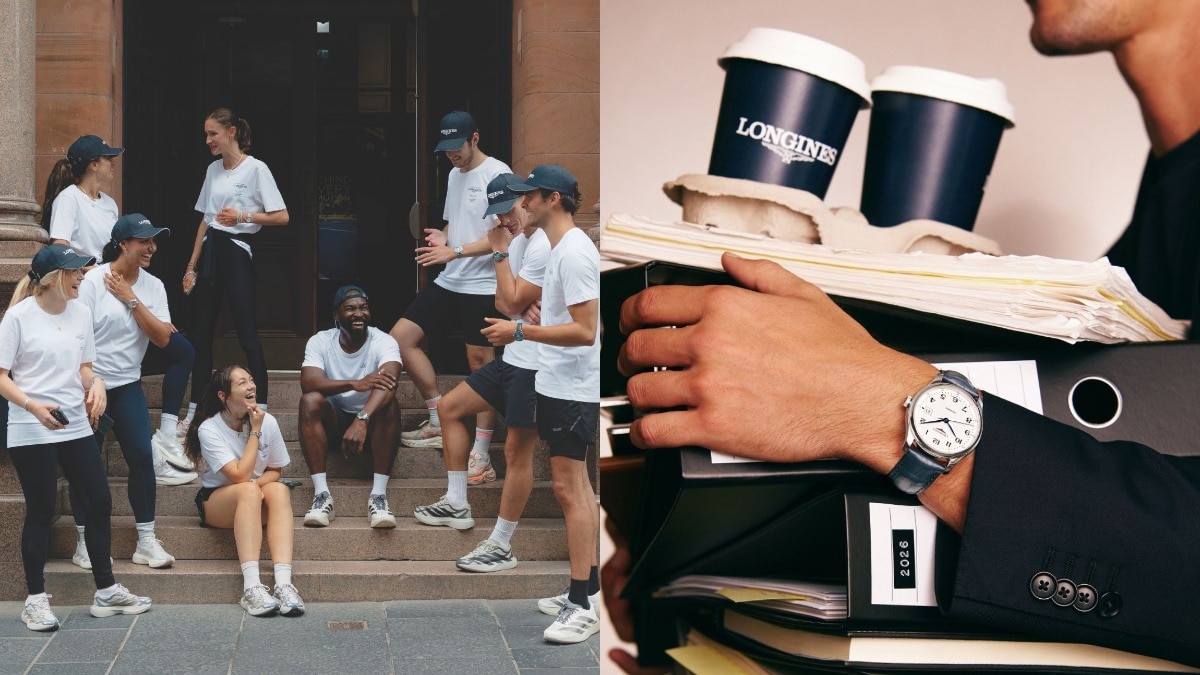
Elegance is an attitude. The slogan may sound familiar—because Swiss luxury watchmaker, Longines, has been using it like a long-running totem. From modern-day ambassadors like Jennifer Lawrence and Henry Cavill to Hollywood icons like Audrey Hepburn and Humphrey Bogart—we have seen the dials, read about the engineering, and some of us have bought into the idea of wearing them around our wrists. But, what is it about watches that keeps the buyer invested? In an economy where income and ideology go hand in hand, who is the new consumer, and what are they looking for in a timepiece?
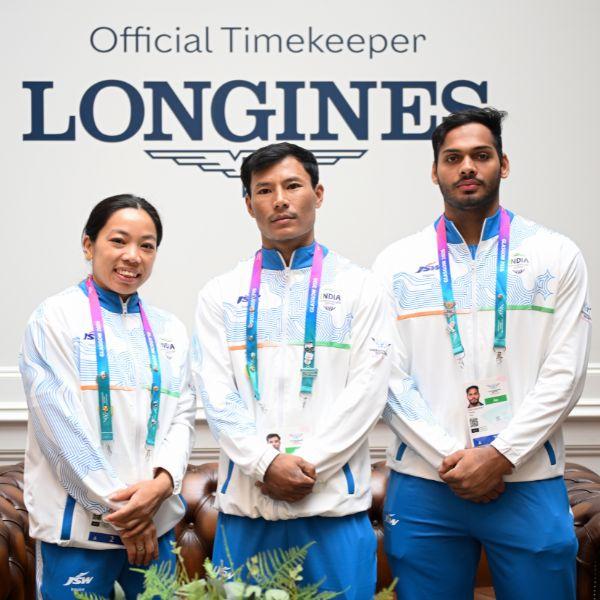
Patrick Aoun, president and CEO of Longines (under the Swatch Group), spoke to me at the Longines House in a rainy Glasgow, where the brand hosted a small group of media professionals to experience the 2026 Commonwealth Games that concluded on August 2. Longines continues to be the Official Timekeeper and Watch at the Games, also representing sports professionals around the globe and the precision of time, which is at the core of sporting events.
When brands and buyers speak the language of luxury, there are two aspects that are highlighted—one is converting a desire into sale, the other is building the desire itself. At Cosmopolitan, we are interested in the latter.
Here, excerpts from the conversation where we touch upon the power of authenticity in campaigns, why traditional may trump ‘modern’ approach to marketing, India as a complex market and the future Gen Z buyer.
Cosmopolitan India: When I was young, I would think of buying a luxury watch in my ‘40s or ‘50s, or would think of inheriting one. But, do you think that approach has now changed?
Patrick Aoun: Hundred per cent. We have a lineup of young consumers and that's lucky for our industry, because they are also the future. There is an appetite for spending and indulging, and more than ever, there is awareness. Aspiration has always been there, but it has definitely become younger. Today a 20-year-old man or woman—they are thinking of things differently. My generation used to think of these aspects at an older age, but because of digitisation, it has made the aspirational world more accessible. So, as you too mentioned, your audience (Cosmopolitan’s) is mostly young women—I think Longines fits perfectly in this segment.
CI: I had the opportunity to explore the recently unveiled coffee table book Longines – Watches That Made History. I had no idea that there have been so many women across history—pilots, actors, alpine skiers—who have been associated with the brand…
PA: Yes, absolutely. We have been making ladies' watches for more than 100 years. And did you know, we wear watches on our wrists thanks to women? Historically, men used to wear pocket watches and women used to wear jewellery. Then us, among a few other brands, started doing ladies' watches that could be worn around the wrists. At the time, they were even called jewellery pieces because they were finely made and delicate. Women started wearing wristwatches before men, and they followed.
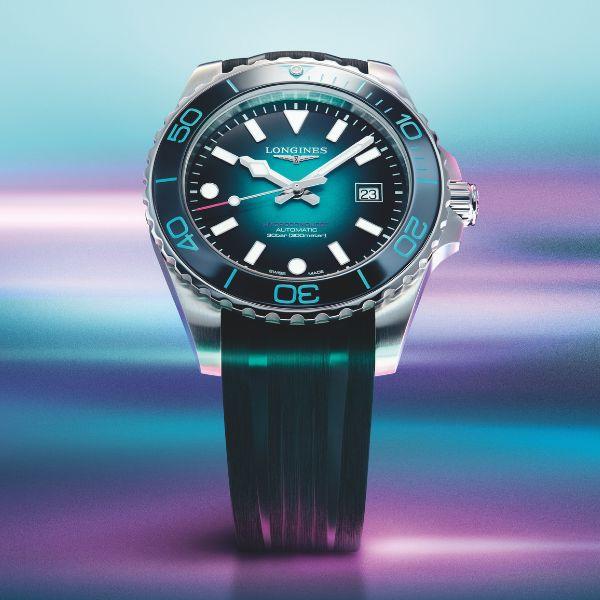
So, it's thanks to women that people wear watches on their wrists today. And Longines has always been a visionary in that sense, asking the relevant questions—why should we be only doing timepieces for men? Who says women cannot choose for themselves? Who says women are only interested in necklaces or bracelets? We have truly had a long, successful history when it comes to collaborating with women ambassadors, including athletes, and the association continues. In fact, today, our business coming from ladies' watches is nearly half of our global business. And, in India, it's not any different. So therefore, that's a very important market that we fully are dedicated to—also, in our price segment, we're probably the only brand who have dedicated lines only for ladies. Take for example, the Primaluna or the Dolcevita.
CI: You have been part of the brand in different capacities for a very long time. During this time, how do you think the brand has evolved in both product and communication?
PA: I started with the brand 20 years ago. And back then, many digital channels did not exist. For us to adapt, we had to rethink human resources to begin with. We've created job opportunities, establishing certain sectors that did not exist back then. And, of course, we had to adapt our communication channels without leaving the traditional segments (like print ads) behind. I think both are complementary. You cannot change your DNA, so being authentic has been a key success factor, alongside being consistent, focused and true to who we are.
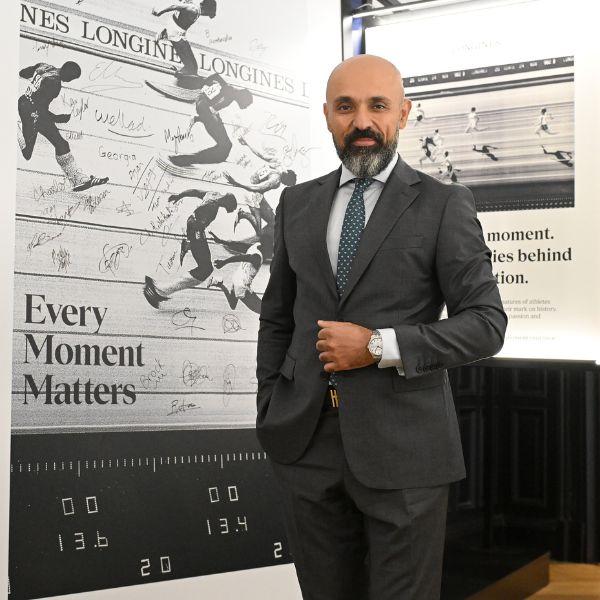
Look, there was a phase where everybody went digital. But I will tell you the difference. In my view, in digital—I'm sorry to use this word—there is a lot of pollution. You don't know what to believe in, and attention span is very limited. Versus if you are in your book, or in your magazine, you're dedicated, immersed—you are really all in. And, that's the beauty of traditional versus digital. For example, you spoke about the new Longines book. We, of course, have social media pages, but we also launched the collectible because it will always be around.
CI: I'd also like to ask about India and Southeast Asia as a market, and how important it has been for the brand. And you know, if you have a specific vision for it in the future.
PA: I've been to India probably 30 times in my life! And, I love the country. I have come to the conclusion that India is very specific and doesn't look like any other market. It has a very, very rich culture and heritage, and is really diverse. Even within Southeast Asia, you cannot compare it to another country. I’d say that it's a very complex market, but full of potential—for Longines, probably the second fastest-growing market in the world (in terms of growth) and I think it will continue for the coming decade: one can expect solid, double-digit year-on-year growth.
One, because of the geographical expansion and two, because of disposable income. Three, because of the population there is still untapped potential. Despite all our efforts of marketing and communication, there will still be more to explore. So India, for me, is a strategic market.
CI: It’s the most predictable question, but I’ve got to ask—what’s next?
PA: We are celebrating 195 years of the brand in 2027—so, a lot that is coming in the next 18 months between celebrations, activations, new campaigns and product lines. And, yes something special for India—coming up next year.
All images: The brand
Also read: Tiny watches are the fashion girl's new favourite plus-one
Also read: How Gen Z is rewriting the rules of the watch game
Comment
more from Life

Why advent calendar unboxing videos are my favourite kind of holiday content
Unique gifts for every personality: Meet them where they are

#SaneGirlEra: Six research-backed apps to help you cope with anxiety

Festive shopping on your mind? Amazon Great Indian Festival 2026 brings Pooja essentials and Diwali gifting at up to 60 per cent off
Dear universe, when am I going to get a boyfriend?

Inside the sexual fantasy forums where women share their deepest desires

Are you too independent to be loved?

We know what a healthy relationship looks like, so why do we keep making excuses for the unhealthy ones?

Meet anti-blush, stained glass lips, and 4 other trending makeup looks for fall
Beyond the metros: Smaller cities drive over half of Amazon’s festive fashion and beauty orders