
What happens when you look beyond dosa, sambar, and stereotypes
Through memory, travel, and tradition, he’s reshaping the narrative of one of India’s most misunderstood cuisines.

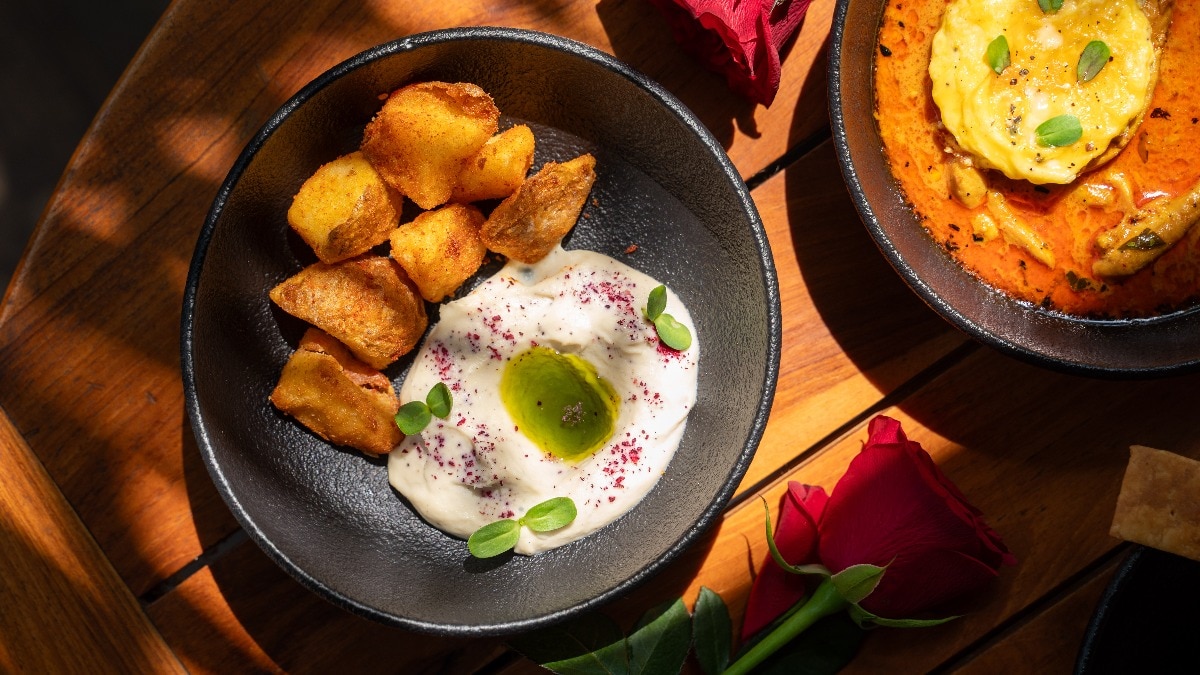
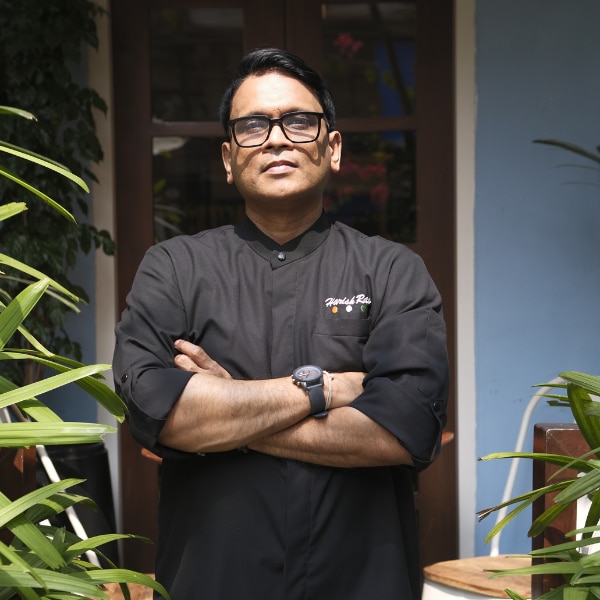
When we think of South Indian food, our minds often jump straight to dosas, idlis, appams, sambar, and ghee roast. But according to Chef Harish Rao, that’s only scratching the surface. He has spent more than two decades exploring the region’s diverse food culture, from coastal fishing communities and family kitchens to local farms and colourful markets. Rao has made it his mission to revitalise traditional dishes with the magical touch of modern techniques.
As the force behind HOSA Restaurant and Bar, Rao is also a champion of regional South Indian cuisines on the global stage, bringing attention to the flavours, histories, and traditions that often go overlooked.
Ahead, the chef reflects on the childhood meals that shaped his love of food, misconceptions about South Indian cuisine, and why preserving culinary heritage remains central to his work.
Cosmopolitan India: What first sparked your interest in cooking, and was there a defining moment when you realised you wanted to pursue it as a career?
Chef Harish Rao: Food was always at the centre of family gatherings and celebrations while growing up. I was fascinated by how a meal could bring people together, create memories, and tell stories. What began as curiosity gradually became a passion. The defining moment came when I realised that cooking was much more than preparing food; it was a way of preserving culture, expressing creativity, and connecting with people. That understanding inspired me to pursue it as a career.
CI: Your culinary journey has taken you through some of India’s most respected kitchens. Looking back, what were the defining moments that shaped your philosophy as a chef?
HR: Working in some of India’s leading kitchens taught me discipline, consistency, and respect for ingredients. However, the moments that truly shaped me came outside professional kitchens, when I was travelling across South India and meeting farmers, fishermen, home cooks, and local communities. Those experiences helped me understand that food is deeply connected to people, place, and tradition. My philosophy today centres on authenticity, curiosity, and a responsibility to preserve culinary heritage while allowing it to evolve.
CI: Every chef carries memories of food from their childhood. Are there any dishes, flavours, or family traditions that continue to influence your cooking today?
HR: Absolutely. Some of my fondest childhood memories are around festive family gatherings, where food was always the highlight. I especially looked forward to the meals prepared by my grandmother, who brought the entire family together through her cooking. Our celebrations were grand non-vegetarian affairs, soft idlis paired with rich mutton curry, dosas served with goat head curry, and crispy vadas accompanied by chicken curry. The aromas, flavours, and sense of togetherness around those meals left a lasting impression on me.
More than the dishes themselves, it was the generosity, warmth, and joy of sharing food that shaped my understanding of hospitality. Those experiences continue to influence my cooking today, reminding me that the most memorable food is often deeply rooted in tradition, family, and a sense of belonging.
CI: What inspired you to champion regional South Indian food on the global stage?
HR: The deeper I travelled across South India, the more I realised how little of its culinary diversity was represented globally. South Indian cuisine is often viewed as a single cuisine, when in reality it is made up of hundreds of distinct regional food cultures, each with its own ingredients, techniques, histories, and traditions.
I felt a responsibility to tell these stories and showcase the incredible depth and sophistication that exists across the region. My goal has always been to create greater awareness and appreciation for these culinary traditions while giving them the global recognition they deserve.
CI: South Indian cuisine is often viewed through a limited lens internationally. What are some of the misconceptions you hope to challenge through your work?
HR: One of the biggest misconceptions is that South Indian cuisine begins and ends with dosa, idli, and sambar. While these dishes are iconic, they represent only a small part of a much larger culinary landscape.
Through my work, I hope to highlight the incredible diversity of South India from millet-based cuisines and seafood traditions to indigenous ingredients, fermentation techniques, and hyperlocal food cultures. I want people to understand that South Indian cuisine is complex, nuanced, and deeply connected to history, geography, and community.
CI: Goa itself is a fascinating crossroads of culture, ingredients, and histories. How has your relationship with the region evolved over the years, and in what ways have its people, produce, and culinary traditions left a lasting imprint on your cooking?
HR: Goa has played a significant role in my culinary journey. What fascinates me most is how its food reflects centuries of cultural exchange while remaining deeply rooted in local traditions.
Over the years, I have developed a deep appreciation for Goa’s seafood, seasonal produce, vinegar traditions, and the knowledge held by local communities. The fishermen, farmers, and home cooks I’ve met here have reinforced the importance of seasonality and respect for ingredients. Goa has taught me that great cuisine is shaped not only by recipes but by people, landscapes, and history.
CI: Over the years, what changes have you observed in how diners engage with and appreciate these culinary traditions today?
HR: Today’s diners are more curious and informed than ever before. There is a growing interest in understanding where ingredients come from, how dishes evolved, and the stories behind them.
People are increasingly seeking authenticity and meaningful experiences rather than simply familiar flavours. This shift has created an exciting opportunity for chefs to celebrate regional cuisines with confidence and tell deeper, more nuanced stories through food.
CI: What aspects of your culinary philosophy and South Indian storytelling are you most excited to share with an international audience?
HR: What excites me most is the opportunity to showcase South Indian cuisine through the lens of culture, history, and community. Food is a living archive of traditions, migration, trade, and local knowledge.
I am particularly passionate about introducing international audiences to lesser-known ingredients, regional cooking techniques, fermentation practices, and stories that have been passed down through generations. My philosophy is to honour tradition while presenting it in a way that feels relevant and accessible to contemporary diners.
CI: After all these years in the kitchen, what continues to inspire you as a chef, and what legacy do you hope to leave through HOSA and your work?
HR: What continues to inspire me is the endless opportunity to learn. Every conversation with a farmer, fisherman, artisan producer, or home cook reveals something new. The deeper I explore South Indian food cultures, the more I realise how much there is still to discover and celebrate.
Through HOSA, I hope to create a platform that documents, preserves, and shares the incredible diversity of South Indian cuisine with the world. If my work encourages future generations to value regional food traditions, support local communities, and look beyond the familiar, that would be a legacy I would be proud to leave behind.
Image: Stellaratti Brand Consultants
Also read: "I thought cooking was oppressive...until I fell in love with it"
Also read: Goodbye girl dinner, hello deli dreams: The loaded sandwich spots making lunch exciting again
Comment
more from Life

'The Love Hypothesis' and our unending love for the fake dating trope

Maitreyi Ramakrishnan's 'Best of the Best' is basically every desi girl's college fantasy

Give your rom-com reads a refresh, and pick up these thriller reads instead

Does the ‘buy-nothing’ experiment actually help or backfire?

The big-boob tax is real: Why girls with bigger busts often pay more

The biggest hobby trends are all about making something
Why your screen-free hobby is probably someone else’s Instagram content

The juicy jewel-tones that your nails need right now

Why do men love being haters on the internet?

I thought being a sugar baby was going to be easy money, but my first paid date taught me otherwise