
Chaotic butterflies in love might be officially out of fashion, and we're not complaining
From emotional intimacy to financial compatibility, modern dating is starting to feel less like a romcom, and that's not really a bad thing.

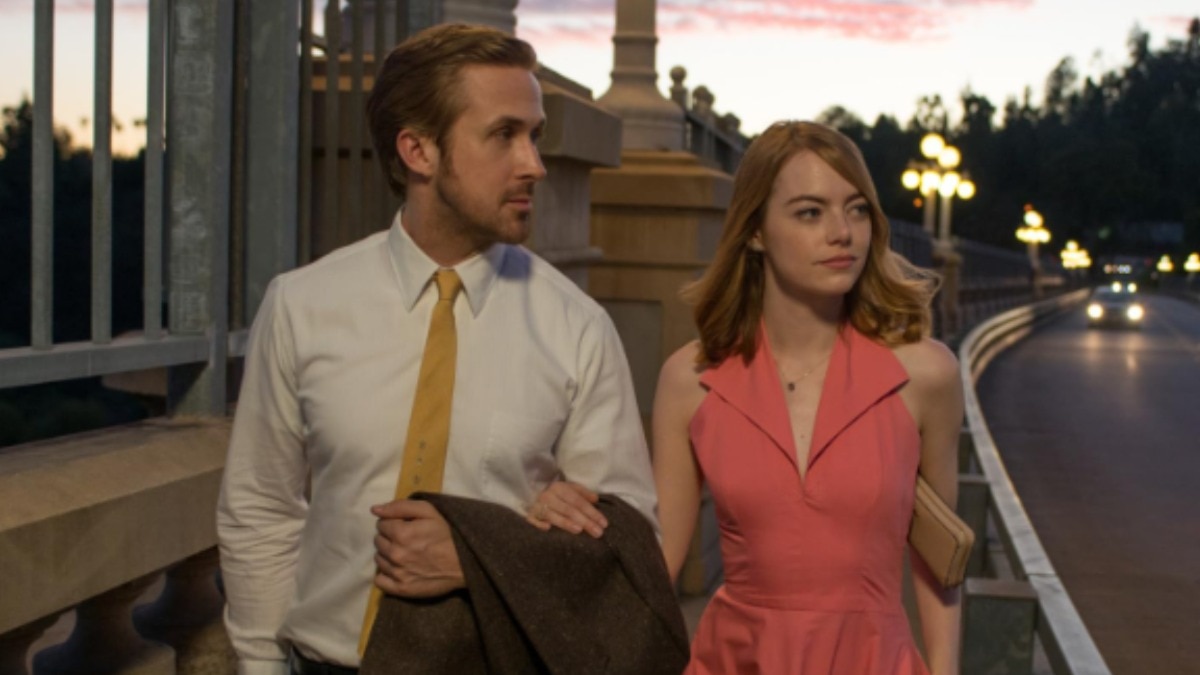
Picture this: your friend tells you she is seeing two different people, and that she's going on a third date with both of them in the same week. Both of them, very different from each other.
One sends her voice notes at 2 am telling her she is "the most magical person" he has ever met after knowing her for four days. The other texts her at 8 pm asking if she reached home safely, remembers that she is allergic to mushrooms, and has already suggested splitting travel expenses for a future trip because "money conversations shouldn't be awkward."
Now she has to make a choice and pick only one, but which one? Had it been a year ago, she would have picked the first guy without a second thought. But today, she chose the second one.
For years, we were sold the fantasy that love should be all-consuming. Grand gestures, dramatic airport chases, chaotic chemistry, and enough emotional "drama" to make your not-so-great love life look like an early 2000s Bollywood romcom. But scroll through dating conversations today, and you will realise that people are now obsessing over emotional availability, clear communication, shared values, and whether they know how to book a dentist appointment without any reminders or hand-holding. Yes, the new green flag is reliability. Because stability has become so attractive, and how!
Now this shift isn't happening out of the blue. Having undeniable chemistry and attraction is still exciting, but real long-term satisfaction comes from trust, mutual respect, and emotional security.
Social media has also changed how we evaluate relationships today. Therapy language is everywhere. Conversations about boundaries, attachment styles, emotional intimacy, and financial independence have become the norm. So instead of asking themselves, "Do they give me butterflies?" people are wondering, "Can I communicate with them without feeling anxious?" It sounds less cinematic, for sure, but it probably means fewer crying sessions with your best friend at midnight, and at the end of the day, that is what truly matters.
Dating apps too have picked up on this and are now reflecting the change. Compatibility questions have gone beyond a person's hobbies and favourite movies. Now, it's all about career goals, future plans, family expectations, and religious and political views. Even spending habits have become a first-date topic instead of a sixth-month surprise.
Some people argue that modern dating has become almost too practical. Fair. Your dating life or relationship shouldn't come with a checklist. Things like income, therapy history, political beliefs, lifestyle compatibility, ambition, sleep schedules, and communication habits are all being assessed before you get a chance to develop feelings for each other. And even if you align with someone on most or all of these aspects, it still doesn't guarantee a successful romantic relationship.
There is even a growing conversation online about people treating relationships like optimisation projects. If someone ticks 90 per cent of the boxes, they are considered "worth investing in." If they don't, they move on to the next match. The bar does not need to be on the floor, and having standards is definitely healthy. But constantly analysing compatibility can sometimes leave very little room for surprise or simply letting love unfold.
Moreover, practical does not automatically mean transactional. Choosing someone because they make you feel emotionally safe, respect your ambitions, and show up consistently isn't settling. It just means that healthy relationships often look quieter than the dramatic romances we grew up reading and watching.
Maybe the biggest plot twist of modern dating is that butterflies are fun, but knowing someone will actually respond to your text, support your dreams, and even help you assemble DIY furniture without starting a fight is far superior. And doesn't that sound pretty romantic? We think so.
Lead image: IMDb
Also read: Have Bollywood romcoms forgotten how to make us blush?
more from Relationships
What’s a black cat boyfriend?

We hate AI in our dating lives, but we can’t stop using it
Hinge vs Bumble: Which dating app is better for you?

The great pillow talk recession is here

The gradual death of the Instagram hard launch

Love a stained glass lip? Here's how to recreate it?

Maitreyi Ramakrishnan's 'Best of the Best' is basically every desi girl's college fantasy

Give your rom-com reads a refresh, and pick up these thriller reads instead
The ‘80s trend you should try based on your zodiac sign

Does the ‘buy-nothing’ experiment actually help or backfire?