
Have Bollywood romcoms forgotten how to make us blush?
While the West keeps falling in love with romcoms all over again, Bollywood is still trying to remember the magic.

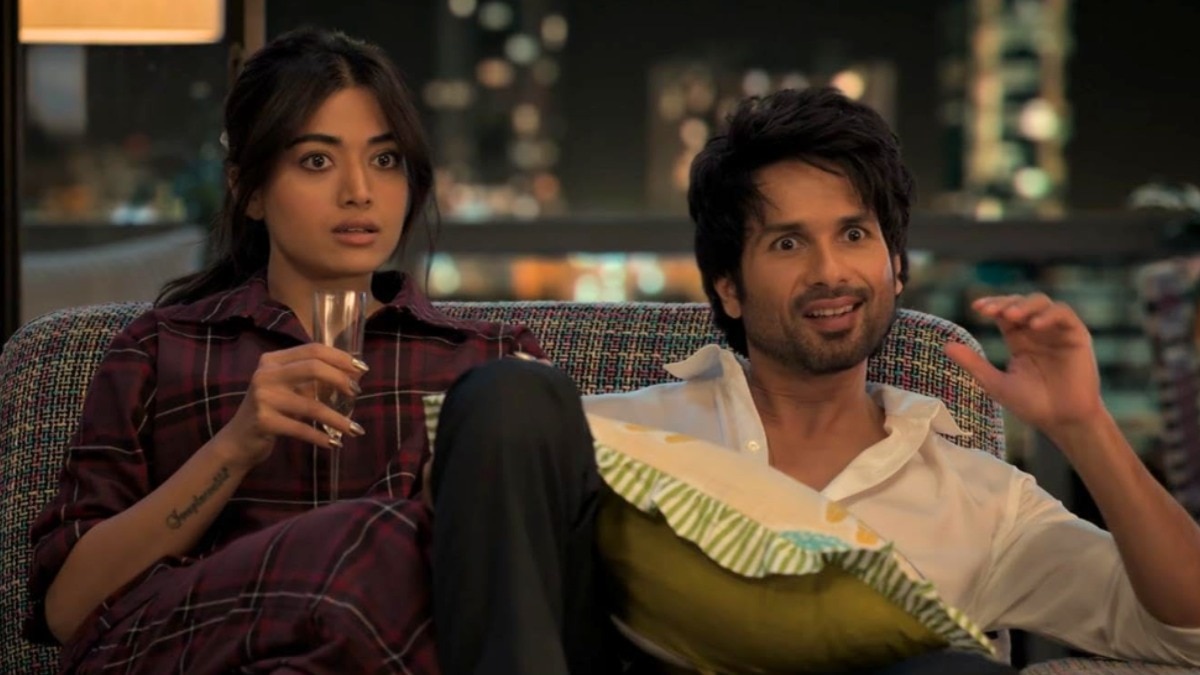
There was a time when Bollywood could sell you a love story with nothing more than two attractive leads, a swoon-worthy soundtrack, and a train station climax. We happily bought in. Whether it was a meet-cute in Switzerland, childhood friends falling in love, or complete opposites finding their way to each other, romance was the main event. But that formula no longer seems to hold the same power. Today, theatres are dominated by action spectacles, horror comedies, and larger-than-life dramas, while the classic romantic comedy has quietly slipped out of the spotlight.
That doesn't mean audiences have fallen out of love with romance, they've simply started looking for it elsewhere. And it's not as though Bollywood has stopped trying. From Musafir Cafe and Cocktail 2 to Ginny Weds Sunny 2, Hai Jawani Toh Ishq Hona Hai, and Pati Patni Aur Woh Do, the industry continues to bet on love stories. The problem is that audiences aren't turning up the way they once did, leaving the genre in an unusual limbo. Filmmakers insist viewers are craving romance again, yet the box office continues to tell a very different story.
So what exactly went wrong?
A lot has changed in Hindi cinema over the past decade, especially after the pandemic. Movie tickets are more expensive than ever, audiences have endless streaming options, and people are far more selective about what warrants a trip to the theatre. If they're spending money on the big screen, they want spectacle. Explosions, superheroes, horror, sprawling cinematic universes, and event films often feel like better value than watching two people slowly fall in love over coffee.
That shift has pushed romance into an awkward corner. Many recent Hindi films treat love as a subplot, while others lean heavily on nostalgia instead of building fresh, believable chemistry. Even when romance takes centre stage, the writing often plays it safe. Meet-cutes feel manufactured, conflicts are predictable, and the characters rarely resemble people you'd actually know. Compare that with films like Jab We Met or Band Baaja Baaraat, where the relationships felt messy, funny, frustrating, and above all, deeply human.
The appetite for romance hasn't disappeared. If anything, audiences are still hungry for love stories. They're just waiting for ones that feel worth investing in.
Meanwhile, the West is having a romcom renaissance
While Bollywood is still trying to crack the formula, Hollywood and streaming platforms are proving that romance never really went out of style. Recent releases like Netflix's Voicemails for Isabelle, starring Zoey Deutch and Nick Robinson, became one of the platform's most talked-about romantic films thanks to its emotionally grounded story, witty writing, and undeniable chemistry between its leads.
Then there's People We Meet on Vacation, adapted from Emily Henry's bestselling novel, which had readers eagerly counting down to its release long before it hit screens. BookTok, meanwhile, has built an entire ecosystem around contemporary romance, turning writers like Emily Henry, Abby Jimenez, and Ali Hazelwood into household names. Studios understand that these audiences don't just consume love stories; they champion them, recommend them, and build communities around them.
The biggest difference is that Western romcoms have evolved with their audience. Their protagonists are flawed, their conversations feel contemporary, and their relationships exist within the realities of modern life. They make room for careers, grief, therapy, anxiety, friendship, and the chaos of adulthood, while still delivering the butterflies that make the genre so irresistible. Romance isn't treated as outdated; it's simply another lens through which to tell a compelling story.
Perhaps that's where Bollywood needs to look next. Not by recreating the romcoms of the '90s and 2000s, but by telling love stories that reflect how people actually date, text, ghost, heal, and fall in love today. Audiences haven't fallen out of love with romance; they're simply waiting for Bollywood to give them a reason to believe in it again.
Lead image: IMDb
Also read: Can we finally stop saying "for a woman" every time we compliment one?
Also read: The new celebrity crush era belongs to F1 racers, chefs, and athletes
more from Life

Give your rom-com reads a refresh, and pick up these thriller reads instead

Does the ‘buy-nothing’ experiment actually help or backfire?

The big-boob tax is real: Why girls with bigger busts often pay more

The biggest hobby trends are all about making something

Why your screen-free hobby is probably someone else’s Instagram content

We hate AI in our dating lives, but we can’t stop using it

The ‘80s trend you should try based on your zodiac sign

Hinge vs Bumble: Which dating app is better for you?

How to get rid of milia, according to a dermatologist
Why are men so comfortable shaming Katrina Kaif's postpartum appearance?