
Is Indian mythology having its pop culture moment?
From grand retellings of ancient epics to folklore-inspired thrillers and animated series, Indian mythology is finding a new generation of viewers.

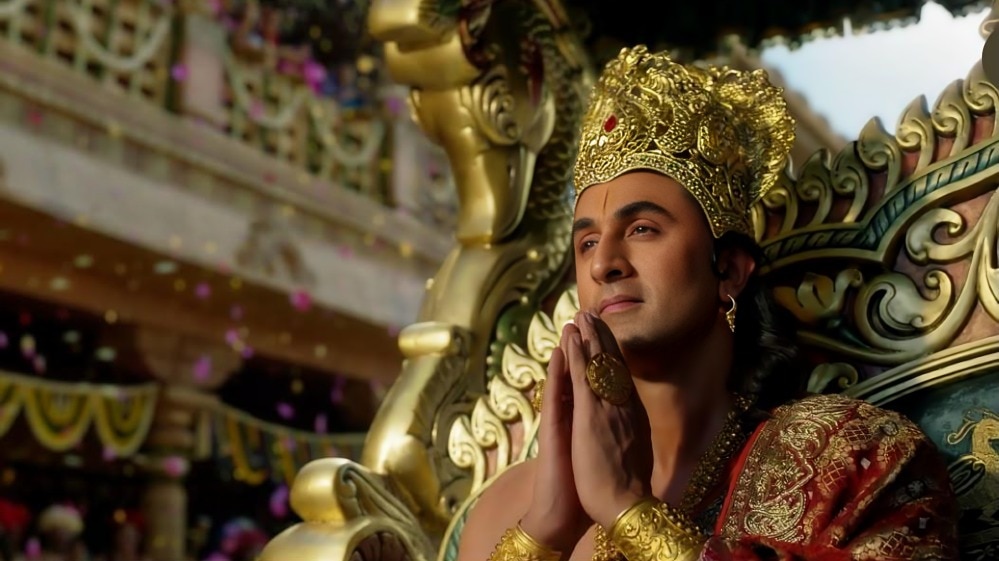
For the longest time, Indian mythology was largely associated with Sunday morning television, Amar Chitra Katha comics, and stories passed down by grandparents. Today, these same stories are finding a new audience through big-budget films, streaming shows, and ambitious animated adaptations. From Ramayana and Kalki 2898 AD to Kurukshetra, filmmakers are revisiting ancient epics and regional folklore, giving familiar characters and age-old beliefs a contemporary spin.
With Nitesh Tiwari's Ramayana, starring Ranbir Kapoor, Sai Pallavi, and Yash, bringing the epic back into the cinematic conversation, it's worth looking at how much the landscape has changed. Mythological storytelling is no longer limited to traditional retellings or period dramas. It's making its way into superhero films, science fiction, crime thrillers, and animation. And while nostalgia certainly plays a part, there's also a growing interest in seeing familiar stories interpreted through a different lens. So, what's driving this renewed fascination, and why are filmmakers increasingly looking towards our cultural history for inspiration?
Mythology gets the blockbuster treatment
One of the biggest examples of this shift is Kalki 2898 AD. Nag Ashwin's 2024 science-fiction epic brought together the themes of apocalypse, futuristic world-building, and references to the Mahabharata, the Kali Yuga, and the prophesied arrival of Lord Vishnu's Kalki avatar. Featuring Prabhas, Deepika Padukone, Amitabh Bachchan, and Kamal Haasan, the film showed how Indian mythology could be reimagined through science fiction rather than being restricted to traditional period settings.
Then came HanuMan, which gave the superhero genre a mythological spin. The film drew inspiration from Lord Hanuman and explored what happens when an ordinary young man discovers extraordinary powers. Its success also showed that audiences were willing to embrace homegrown superhero stories with distinctly Indian influences.
From regional folklore to the mainstream
The interest isn't limited to Hindu epics. Rishab Shetty's Kantara franchise brought regional folklore, local deity worship, and the Bhoota Kola tradition of coastal Karnataka into mainstream conversations. Its prequel, Kantara: Chapter 1, further explored the relationship between faith, nature, community, and power. The films also opened up conversations around how regional traditions and belief systems can become the foundation for large-scale cinematic storytelling.
Horror and thrillers have found their own way of exploring this space, too. Take Asur, for instance. The Arshad Warsi and Barun Sobti-led series blended crime investigation with Hindu mythology, drawing on ideas around the Kali Yuga, Kalki, and the eternal conflict between good and evil. Rather than retelling an ancient story, it used these references to build a contemporary thriller, showing how mythology can work across genres.
Perhaps one of the more interesting developments is how mythology is finding a place in animation and streaming. Netflix's Kurukshetra, an animated series based on the Mahabharata, retells the 18-day war through the perspectives of 18 warriors. Instead of simply revisiting the familiar battle between the Pandavas and Kauravas, it explores their individual conflicts, rivalries, and moral dilemmas. The show introduced the epic to younger viewers who are more accustomed to consuming stories through animation and streaming platforms, and its success took the world by surprise.
There's more mythology coming our way
And this interest doesn't seem to be slowing down anytime soon. Following Ramayana, Vicky Kaushal is set to play Chiranjeevi Parashurama in Mahavatar, an upcoming mythological film directed by Amar Kaushik. The film will explore the story of the sixth avatar of Lord Vishnu, another very important and talked-about character in Indian mythology. Announcing a big-budget film with one of the country's biggest stars right now is an indication that filmmakers are willing to invest in stories drawn from India's mythological universe.
There is also something to be said about why these stories are finding an audience now. With viewers increasingly looking for original Indian stories, mythology and folklore offer filmmakers an enormous world of characters, conflicts, and narratives to explore. These stories already have cultural familiarity, but they also leave plenty of room for creative interpretation. A familiar character can be placed in a futuristic world, a regional legend can become the centre of a fantasy adventure, and an ancient epic can be retold through animation.
Younger audiences aren't necessarily looking for the exact versions of these stories their parents grew up watching. They want fresh interpretations, interesting characters, and worlds they can get invested in. And Indian mythology, with its countless stories and larger-than-life characters, has no shortage of material.
Whether this is a passing cinematic trend or the beginning of a much bigger storytelling movement remains to be seen, but our ancient stories are certainly finding a new lease of life on screen.
Lead image: Spice PR
Also read: Loved the proposal in 'Nobody Wants This'? Bookmark these dreamy estates to pop the question
more from Life

Loved the proposal in 'Nobody Wants This'? Bookmark these dreamy estates to pop the question
The Vasant Valley School Community Pickleball Tournament celebrates the spirit of sport and beyond

At Athiva Pulse, a good stay comes with a better wellness routine

The Lalit launches a book celebrating queer stories and the power of belonging
#SaneGirlEra: How to survive the insufferable relatives this Diwali?
Wait, there's a word for that? 10 lesser-known sexualities to know about

Halloween movies to make your cosy movie night a little spookier

Inside Cosmopolitan India’s first-ever sundowner soirée

The winter skin paradox is that your oily skin can be majorly dehydrated

The coolest fashion and beauty brands to know for your next style refresh