
Could you fall in love three times? The Three Loves Theory says yes
Third time’s the charm?

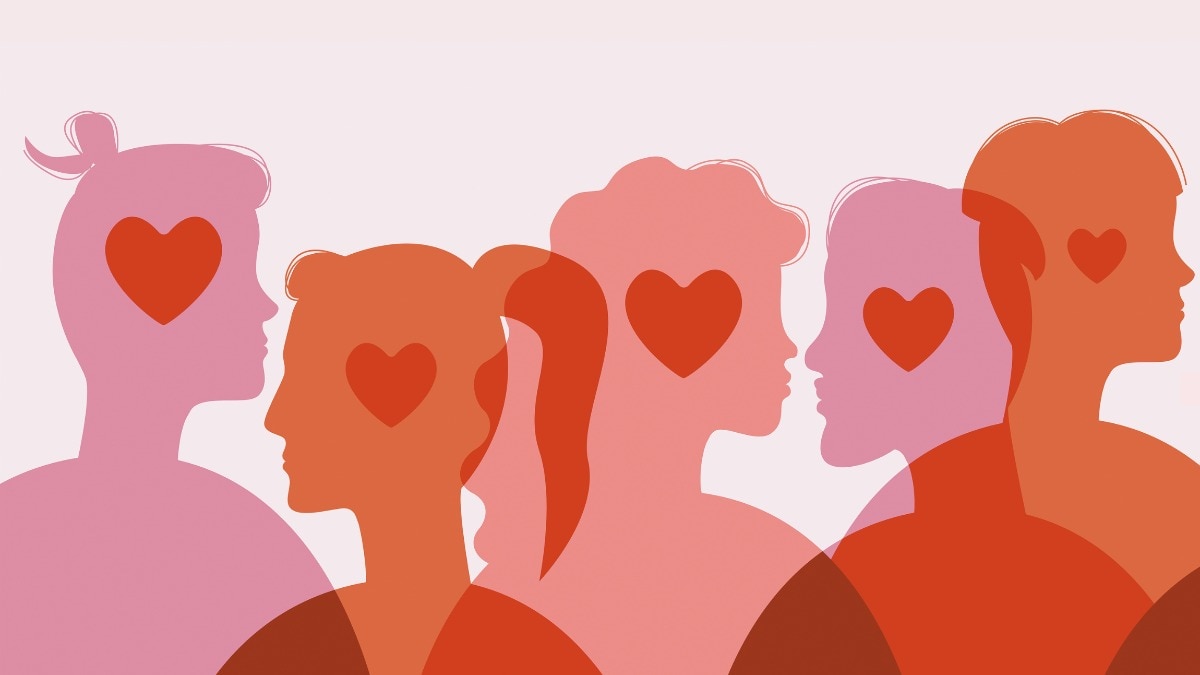
As we navigate the rigmarole of romantic relationships, we tend to learn a thing or two about life, love, and more importantly, ourselves. Some liaisons bring peak emotional intensity, others arrive with the sweetness of puppy love. In the end, each seems to move us closer to where we’re meant to be—a placeholder in our evolution as individuals.
Over the years, many have attempted to make sense of how and why we fall in love. The late Helen E Fisher, American anthropologist and human behaviour researcher of the biology of love and attraction, maintains that for different people, love can start off with either lust, romantic attraction, or attachment, and that these overlapping—and often interlinked—systems are triggered by bodily chemicals.
Meanwhile, American psychologist Robert Sternberg proposes the Triangular Theory of Love, comprising of intimacy, passion, and commitment. But beyond biology and psychology, love is deeply personal...and human. And the Three Loves Theory builds on this experiential reality of falling not once, not twice, but thrice, until you find “the one”.
The first love
The intense love
This one is known to turn your world upside down. It’s a rollercoaster of a relationship—a mirror into your soul reflecting your deepest desires, wildest fears, and most irrational insecurities right back at you. Expect to feel all the feels: Jealousy, possessiveness, self-doubt. It’ll teach you valuable lessons, helping you grow and evolve into the person you want to be—and be with. You’ll experience high highs and low lows, trying to mould yourself and your partner into ideal versions. By the end of it, you know exactly what you want from a relationship.
The unconditional love
This article originally appeared in Cosmopolitan India's July-August 2026 print issue.
Also read: Chaotic butterflies in love might be officially out of fashion, and we're not complaining
Also read: What is the invisible string theory? Therapists explain the viral relationship belief
more from Relationships

The ultimate sex playlist for your next late-night rendezvous

From LED masks to airbrush systems, seven fashion insiders share the beauty tech they actually use
Books you should be adding to cart, based on your zodiac sign
Your next manicure deserves one of these statement nail art designs

Rain or shine, here are the beauty essentials that you need
Meet the Indian designers and brands putting a fresh spin on traditional textiles

Why does Hollywood keep punishing successful women for being too visible?

The best beauty multitaskers pulling double shifts

Did your fitness glow up era skip your hair?

Anne Hathaway’s “real bump” clapback exposes a bigger problem