
Have we started to see love as a distraction rather than a priority?
Romance is fun until someone asks, “So what are we?”

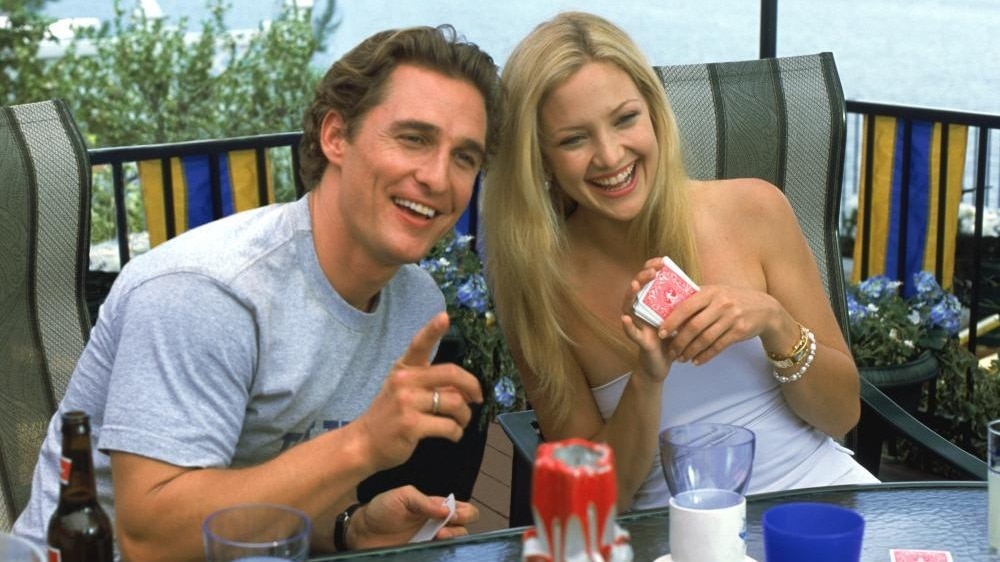
Growing up in an Indian household, one thing I noticed early on was how quickly love was shut down—almost before it even had a chance to exist. I still remember getting yelled at for having a crush in seventh grade after a teacher mentioned it to my mother. It felt harmless at the time, but suddenly it became something much bigger, like I had crossed a line I didn’t even know was there.
Crush? No. Boyfriend? Absolutely not. Focus on your studies. Focus on your career. The message was clear: even something as simple as liking someone could throw you off track. I remember how serious it all felt, like there was this shared, unspoken rule everyone understood. You don’t get distracted. You don’t get attached. You don’t do anything that might take your attention away from what actually matters.
And it wasn’t just my house. It was everywhere. Friends’ families said the same things, just in different ways. The same cautions, the same underlying belief that one relationship could undo everything you’ve worked towards.
We’re not avoiding love, we’re just… putting it off
With dating apps and social media shaping how we connect, we haven’t removed love from our lives—we’ve just made it easier to keep at a distance. There’s always another person to swipe on, another conversation waiting, so nothing really asks you to stay. Over time, that does something subtle: you get used to not trying too hard.
And that’s the part we don’t talk about enough. When nothing asks you to stay, you slowly forget how to. Even when you meet someone you like, there’s a low-level restlessness in the background. You start wondering if there’s someone who fits your life better, your pace better, your plans better. It becomes less about experiencing something and more about constantly evaluating it.
How we landed on situationships
This is where situationships start to make sense. When you grow up being told to stay focused and avoid distractions, and carry that mindset into your 20s, it becomes hard to give love your full attention even when you want to. So this in-between space works. You’re not saying no to love, but you’re not fully saying yes either. There are conversations, almost-plans, feelings that are just clear enough to keep you interested. It feels like you’re tending to your personal life without having to rearrange it.
At the same time, she added, “Being professionally driven and successful in your career is fulfilling, but for many people it still doesn’t replace the emotional side of life.” That gap doesn’t disappear. You still want someone to talk to, someone to check in with—you just don’t want something that asks for more than you can give right now. So the middle ground feels manageable.
Filmmaker Neiloy Chakravarty added to this point with his POV: “Nowadays relationships are more like part of your life, not your entire life.” When you see them that way, it’s easier to keep them from taking over. Situationships work because they keep you emotionally occupied without fundamentally changing your life. You have someone there, but you’re still moving exactly as planned.
So, has love become a distraction?
Personally, I don’t think we’ve stopped wanting love. What’s changed is how we treat it once it enters our lives. It now has to fit into a structure that’s already packed, around deadlines, routines, personal goals, and a version of the future we’ve already mapped out in our heads. And if it doesn’t slide in easily, if it asks for more time, more attention, more uncertainty than we’re comfortable with, it starts to feel inconvenient.
That’s where it begins to feel like a distraction. The moment something starts competing with everything else you’ve prioritised, you don’t fully lean into it. You slow it down, question it, keep parts of it at a distance. Because it feels like it might pull your focus away from what you’re trying to build. So instead of letting it grow on its own terms, you manage it. You keep it within limits. And over time, that changes how it feels—it becomes something you adjust around your life.
Even in how she describes managing both, you can see the boundaries people are trying to maintain. “Being invested in a relationship doesn’t mean constantly being connected or updating each other every minute. It’s about loyalty, commitment, communication, and showing up for the person when it truly matters.”
She also spoke about how important it has become to have your own life figured out before bringing someone else into it. “I feel it’s important to be clear about your mental space, your goals and what you want out of life before committing to someone else,” she said. It makes sense—but it also means you’re constantly checking whether a relationship fits into that clarity. And when you’re that aware of your time, energy, and direction, anything uncertain can feel like it might throw things off.
From where I see it, that’s where the idea of love as a distraction comes from. Not because it isn’t important, but because it asks for space in a life where everything already feels accounted for.
Where love fits when everything else comes first
A lot of this comes down to where our attention is already going. We’re focused on ourselves—building something, getting our personal lives in order, keeping up with work that demands consistency every day. There’s always something that needs your time: deadlines, plans, routines, even just the effort of trying to keep up.
And when your life already feels that full, love stops being something you centre. It becomes something you try to fit in—around your schedule, your energy, your priorities.
And that’s where the idea of distraction comes in. When your focus is already split across so many things, anything that asks for more of it can feel like it might pull you away from what you’re trying to build. So you hold back, keep things lighter, avoid anything that might take up too much space. Love hasn’t lost its value. If anything, it’s still deeply wanted. But the way we protect everything else we’ve worked towards means it often gets treated like something that could get in the way.
Lead Image: IMDb
Also read: The small habits that quietly make or break a relationship
Also read: Is a Better Credit Score the Key to a Better Relationship?
more from Relationships

The great pillow talk recession is here

The gradual death of the Instagram hard launch
What your boyfriend’s algorithm is doing to your relationship

Think sex toys are bad for your sex life? Think again

Why are all vibrators suddenly fruit-shaped?

How to get rid of milia, according to a dermatologist
Why are men so comfortable shaming Katrina Kaif's postpartum appearance?

Why your screen-free hobby is probably someone else’s Instagram content
Move over, leopard Bambi nails are the sweetest animal-print trend of fall

The wildest looks from the 2026 Emmys red carpet