
We accept the love we think we can’t replace, and 'The Drama' proves it
Yes, the fear of losing someone can quietly convince us to accept more than we ever thought we would.

Love is hard, but love is also the most beautiful feeling on earth. Relationships can be complicated, messy, and demanding, but they can also be some of the most meaningful experiences we have. The lengths we go to for the people we love, the things we forgive, and the compromises we make can sometimes surprise even us.
It’s exactly this emotional push and pull that has us at Cosmo India thinking. Sometimes, the decisions we make in relationships are not just about love; they could also be determined by fear. Fear that what we have might be the best we will ever find. Fear that if we let go, there may be nothing better waiting on the other side.
When fear starts to feel like love
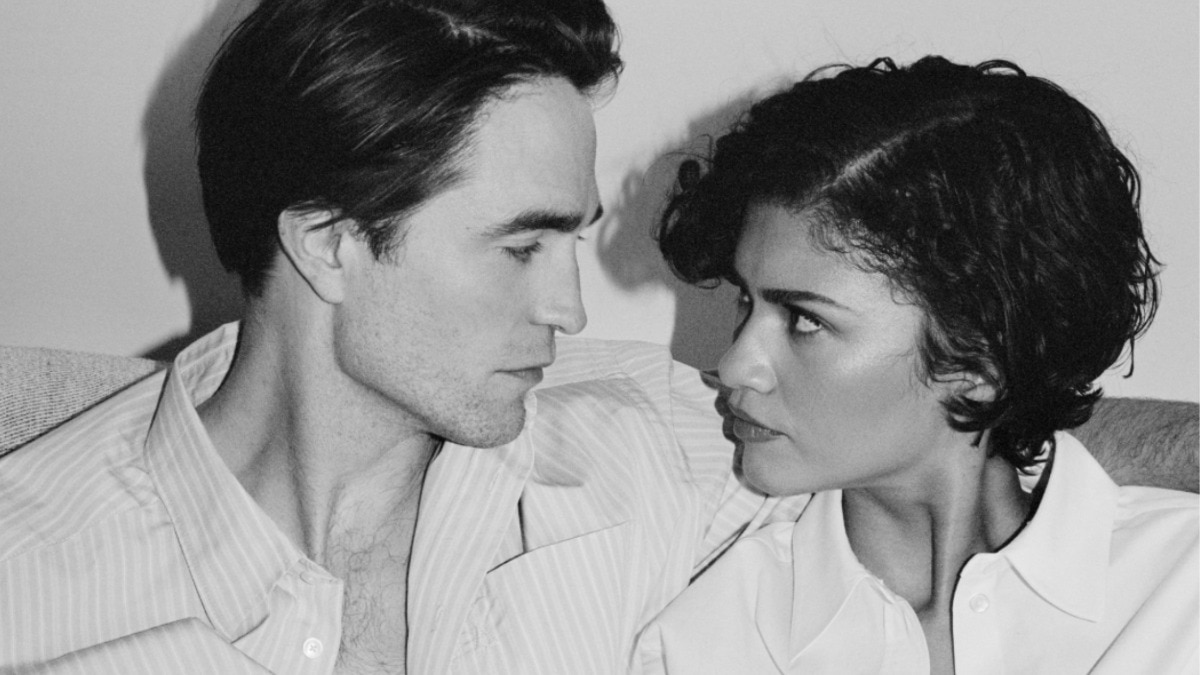
The idea feels almost cinematic, and perhaps that’s why it struck a chord while watching the much-talked-about dramedy The Drama. The film follows Charlie (Robert Pattinson) and Emma (Zendaya), whose relationship spirals into uncertainty after he discovers the worst thing she has ever done.
For most of the film, we watch Charlie wrestle with the revelation. The wedding looms in the distance, yet he cannot decide if he wants to move forward. He spirals endlessly, questioning, imagining, and overthinking every possible version of the future. His mind runs wild with exaggerated scenarios, almost turning Emma into a murderer in his imagination.
But beneath all the chaos of his thoughts lies a quieter, more relatable fear: what if walking away means losing the person he loves forever? What if he cannot find someone else to replace her?
By the end of the film, that fear becomes the turning point. Charlie realises that despite everything, he cannot imagine a life without Emma. The idea of replacing her, of starting again with someone new, feels impossible, almost crippling. And that moment taps into a very real emotional instinct many people recognise: we accept the love we think we can’t replace.
The scarcity mindset quietly shaping your choices
Scarcity has a powerful way of shaping our decisions. When we believe good partners are rare or that emotional connections like this do not come around often, we begin to hold on tighter. We forgive things we once said we never would. We rationalise behaviour that doesn’t quite align with our values. We tell ourselves that relationships are complicated, and they are most of the time. But sometimes that complexity masks something else entirely: the fear of losing what we have.
What makes this dynamic even more complicated is how it unfolds. Rarely do we consciously admit that fear is guiding our choices. Instead, it hides behind ideas of loyalty, patience, or the belief that every relationship simply requires work. And while compromise is a natural part of love, there is a fine line between working through challenges and convincing ourselves that something uncomfortable is normal.
Social narratives can also feed this scarcity mindset. From movies to conversations with friends, we often hear how rare it is to find someone who truly understands us. Over time, this idea can settle in the back of our minds, making us believe that walking away might mean starting from scratch in a world where meaningful connections are hard to come by.
The internal monologue becomes familiar, "What if this is as good as it gets?"
When that thought enters the equation, the bar can lower. We stay longer, excuse more, and cling harder, not just because we love someone, but because we’re afraid of the alternative.
None of this makes love any less real. In fact, it makes it deeply human. Relationships often exist in that grey space between logic and emotion, where forgiveness, hope, and fear collide.
But perhaps the real challenge is recognising when we are choosing someone out of love, and when we are choosing them out of fear of the unknown. Because love should feel expansive, not scarce. And the most powerful relationships are not the ones we hold on to because we think we cannot replace them, but the ones we choose every day because we genuinely want to.
Image credits: IMDb
Also read: 'The Drama' effect—we asked people the worst thing they’ve ever done and the answers are wildly chaotic
Also read: Why Gen Z is diving into relationships while millennials are proceeding with caution
more from Relationships

The great pillow talk recession is here

The gradual death of the Instagram hard launch
What your boyfriend’s algorithm is doing to your relationship

Think sex toys are bad for your sex life? Think again

Why are all vibrators suddenly fruit-shaped?

How to get rid of milia, according to a dermatologist
Why are men so comfortable shaming Katrina Kaif's postpartum appearance?

Why your screen-free hobby is probably someone else’s Instagram content
Move over, leopard Bambi nails are the sweetest animal-print trend of fall

The wildest looks from the 2026 Emmys red carpet