Why logging off after work still feels like a myth in creative industries
The Right to Disconnect Bill wants you to switch off, but some jobs love to make a late-night cameo.
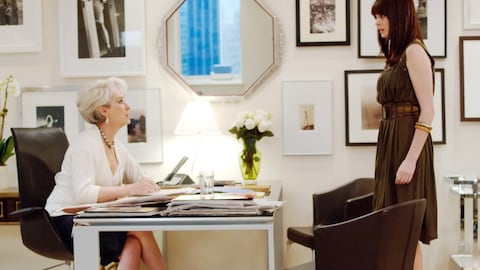
For someone who makes it a point to leave work on time, so I have a life outside of my fashion writer role, I still have colleagues who stay back long after I’m gone. Some days, even though I have left work, I end up taking calls or handling last-minute changes. The truth is, for most people, work does not end when you log out or walk out of the office. Phones keep buzzing, emails land at impossible hours, and workplace WhatsApp groups are most active when you sit down for dinner. This “always online” culture has made burnout feel less like an exception and more like a default. People are constantly available, permanently exhausted, and often quietly guilty for wanting rest.
The idea is simple and radical—employees should have the legal right to ignore work-related communication outside official hours without fear of being penalised, judged, or sidelined. It is designed to protect mental well-being, personal time, and the basic human need to disconnect from your life at work.
Sadly, our reality is far more complicated than that. Because not every industry works on a neat little nine-to-five schedule.
Yup, creative industries are side-eyeing this bill. Because the truth is, media doesn’t stop just because it’s 6 pm. Breaking news doesn’t pause for office hours, client feedback rarely arrives before sunset, and ad campaigns often need urgent tweaks at the last minute. PR runs on timing, relationships, and coverage that moves with the world—not an internal calendar. Then there is the hospitality industry, which technically begins when most people log off. Hotels, events, guest experiences, and on-ground operations peak in the evenings and on weekends. Their work-life balance does not follow a desk schedule at all.
There’s also the uncomfortable truth about work culture that no bill can magically fix. A lot of people aren’t judged by how well they work, but by how available they are. Leaving on time is somehow read as a lack of ambition, and not replying after hours can look like you’re “not hungry enough.” In some offices, promotions feel quietly tied to who stays back the longest, who cancels dinner plans, and who’s always on standby “just in case.” That’s not dedication—it’s quiet punishment dressed up as workplace culture.
It all makes sense in theory—until you look at how creative work actually functions. Here’s why it gets even messier in creative industries.
Creativity doesn’t clock out at 6 pm
Ideas don’t arrive neatly between working hours. They show up in the shower, at 2 am, mid-getting-ready montage, or halfway through a party when you weren’t even thinking about work. Creativity lives in the in-between, and you simply cannot box it into a rigid time slot. This bill doesn’t quite account for the fact that inspiration is chaotic, inconvenient, and deeply allergic to schedules.
Clients love sending feedback after dark
You email them all day. You follow up politely. You wait only to be met with radio silence. Until you finally shut your laptop, step into the elevator, and then it happens: a cheerful little “Hi!” pops up on your screen like a horror movie jump scare. Now you are mentally drafting replies while pretending to listen to your building watchman ask you about the day!
Events refuse to follow office calendars
Fashion shows, launches, screenings, and brand events love Friday and Saturday nights. The exact window when you thought you would become a person with a social life. Instead, you are in the front row, filming reels, double-checking angles, and praying the PR approves your content. Not because you don’t love fashion, but because your weekend technically depends on it.
Yes, it’s complicated, but there’s still a way to cope. Here’s a survival kit for anyone who knows they’ll never truly log off, no matter what the bill promises.
Turn on Do Not Disturb, but stay emotionally available like a haunted doll
Imagine logging off early for a peaceful yoga class, only to return to 20 missed calls about a caption rewrite. Yes, work can invade even a 60-minute Ashtanga chart.
Set boundaries, and then politely remind your boss that those boundaries exist
You will have to learn to say no in a way that sounds respectful, smart, and non-aggressive. Sometimes this means scheduling work in advance so you cannot be accused of “not being available.”
Choose your 1 am crisis wisely; not everything deserves cortisol
The world will not end if the lead image of your article is still Emily in Paris. Your editor can survive until morning. So can you.
You do not need to respond to marketing calls during a girls’ night, a family dinner, or a date. The campaign brief can wait. The brie and hot honey does not need to wait!
The Right to Disconnect Bill, 2025, is a step in the right direction and a much-needed conversation starter in a country where hustle is often glorified at the cost of health. But for creative, fast-moving industries, it is not a simple switch you can flip at sundown. Until systems, mindsets, and expectations evolve, this law feels less like a reality and more like a beautifully written wish. Like eight hours of sleep… or clients who actually understand deadlines.
Lead Image: IMDB
Also read: Top 10 romantic movies and shows that will give you the butterflies this cuffing season
Also read: Why society loves to turn a woman’s choices into embarrassment for the men around her