
How the fragrance boom is changing the way we wear perfume every single day
From the revival of ancient perfumery traditions to crafting scents suited to the pace of modern life, here’s a quick look at India’s niche fragrance market.

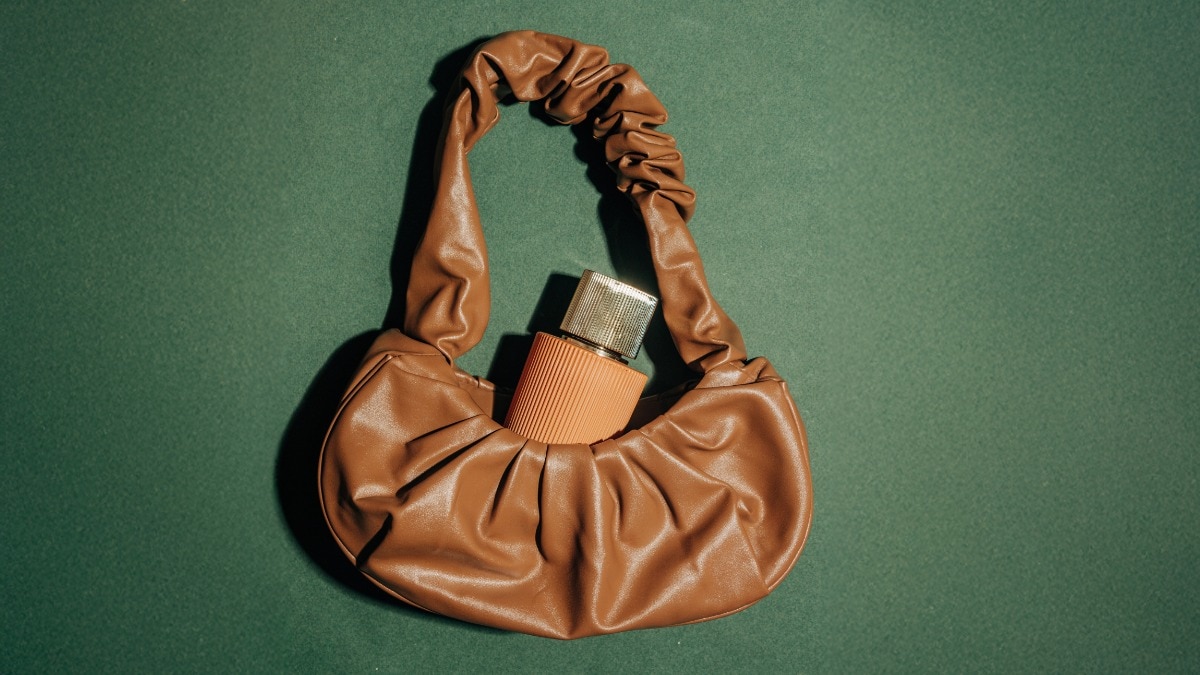
The spritz shows no signs of slowing down. In 2025 alone, as per the Market Analysis Report by Grand View Research, the global fragrance market is projected to generate $58.99 billion (approx. ₹5.22 lakh crore) in revenue, with big players—the likes of LVMH, Estée Lauder Companies, and L’Oréal—cashing in on double-digit growth. This comes after the category was hailed as 2024’s fastest-growing beauty vertical, even as fashion sales faltered.*
Extracts, primers, balms—scent has seeped into every nook and niche, and this rapid diversification is only fuelling the fragrance boom. “Consumers are curious. They look beyond the obvious,” says Krati Tandon, co-founder of Boond Fragrances, which creates pure, natural perfumes handcrafted in Kannauj, Uttar Pradesh. She notes that accessibility—and a wider product assortment—have helped expand the sensory beauty landscape.
Back to our roots
Tandon goes on to make a compelling case for attars (also called ittar or natural perfume oil), long regarded as the traditional perfumes in South Asia and the Middle East, that are no longer on a so-called ‘fragrance hiatus’. “They are the ultimate scent experience… responding to the warmth of your skin, gently unfolding through the day into a deeply personal fragrance, perceptible only to you and those close. At Boond, we’re helping bring the ancient craft back into conversation; reintroducing its finest expressions to discerning audiences worldwide via the deg bhapka technique,” she explains, emphasising: “It requires hours of an artisan’s skill with locally sourced, natural ingredients used sustainably.”
The centuries-old deg and bhapka technique involves hydrodistilling organic flowers, herbs, and water in a copper vessel or deg. Once sealed and put on a wood fire, the fragrant steam travels through the bhapka and is left to cool, giving you a pure essence. Case in point, niche brands like Arsuktra and Attar Kannauj that also employ traditional distillation processes with Indian botanicals.
Scents, simplified
But while attars enjoy a quiet resurgence, it’s balms that have found solid footing in the mainstream market. Kanika Bhatia, founder of solid perfume brand Joon, says, “The reason people are drawn to solids is simple. They are spill-proof, compact, and easy to reapply. Besides, there’s more awareness behind ingredients that go into a solid perfume vis-à-vis a spritz, making it safer for daily use.” Other homegrown brands worth mentioning here are Blur India and The Bare Bar.
Reflecting on how it wears differently on each person, she adds: “Balms offer a more intimate experience of application… touch guides you over each pulse point, mindfully and intentionally.” Joon’s offerings boast woody, spicy, fruity notes and are vegan, alcohol-free, and intensely moisturising.
Even so, consumers remain loyal to the signature spritz. “Audiences are expanding the way they experience scent, not entirely straying away from their liquid counterparts. While scent is increasingly integrated with daily self-care—as primers and hair perfumes hit shelves—liquids are here to stay, enhanced by supporting innovations in the category,” Bhatia explains.
Beyond the body
However, the liquid format isn’t reserved solely for the skin. Hair perfumes herald yet another micro market in the ever-evolving beauty industry. “Perfumed hair is not new to the Indian subcontinent—women have adorned their hair with flowers and used sambrani (the smokey fragrance from herbs) for centuries—but a sprayable, bottled version has only recently entered the space,” says Akaankshaa Paranjpe, founder of Sacred Grove, a homegrown brand that, not too long ago, launched alcohol-free hair perfumes with refreshing floral notes.
Why not just spritz Libre along your strands? “The standard spray contains alcohol, which often dries out hair,” Paranjpe informs. Besides, hair perfumes are positioned to capitalise on the scent-stacking ritual. “Layering empowers individuals to craft their own personalised scent story by combining two or more fragrances. Supporting formats, such as primers, balms, and hair perfumes, will only enhance this experience,” she adds.
That being said, scent stacking is no good without the prospect of longevity. Here’s where fragrance primers or enhancers come into play. Pretty straightforward, they’re primers that help prepare the skin for perfume by curbing absorption and evaporation, inevitably extending its wear. Earlier this year, singer-actor Selena Gomez-fronted Rare Beauty launched a layering balm designed to be worn solo or alongside its debut fragrance drop, Rare Eau de Parfum. Chanel followed suit.
Beauty goes far beyond how you look; it’s about how you feel. And amid urban chaos, modern fragrance formats seem to lend welcome moments of escape.
Lead image credit: Shutterstock
This article first appeared in Cosmopolitan India's November-December 2025 print edition.
Also read: Decoded: Your favourite celebrity’s signature scents
Also read: Spice up your scent collection with these irresistible scents
more from Beauty
How to get rid of milia, according to a dermatologist
Move over, leopard Bambi nails are the sweetest animal-print trend of fall

Wait, is the side part cool again? Gen Z celebs say yes

Matte meets dewy in a fun move where your makeup doesn’t need to pick sides

The scalp-care products to add to your haircare routine

Not ready for a short bob? The collarbone bob is your answer
Why are men so comfortable shaming Katrina Kaif's postpartum appearance?
Why your screen-free hobby is probably someone else’s Instagram content

The great pillow talk recession is here

The gradual death of the Instagram hard launch