
Fashion’s boldest accessory right now might just be a sex toy
From pleasure jewellery to runway references, designers are blurring the line between intimacy and style, turning the tools of pleasure into bold statements of fashion and self-expression.


Fashion has always flirted with seduction. For as long as clothing has existed, designers have played with the tension between dressing up and stripping down, using fabric, silhouette, and suggestion to explore sexuality. But lately, the relationship between fashion and desire has become far more literal.
Across recent runways and red carpets, items traditionally associated with intimacy are stepping into the spotlight as accessories. What once belonged firmly in the bedroom is beginning to appear in jewellery, runway styling, and provocative design details. From playful references to fully wearable pleasure devices, the line between fashion and sex tech is becoming increasingly blurred.
When pleasure meets the runway
The past few seasons have seen fashion lean unapologetically into sensuality. Runways have embraced sheer fabrics, exposed silhouettes, and lingerie-inspired styling. Designers have revived the naked dress, turned underwear into outerwear, and experimented with garments that highlight the body rather than conceal it.
But beyond these familiar tropes, a more unexpected shift is taking place. The objects traditionally used to enhance pleasure are quietly entering fashion’s visual vocabulary. Accessories inspired by intimate items, rings, chokers, cuffs, are appearing not only as design references but even as functional objects themselves.
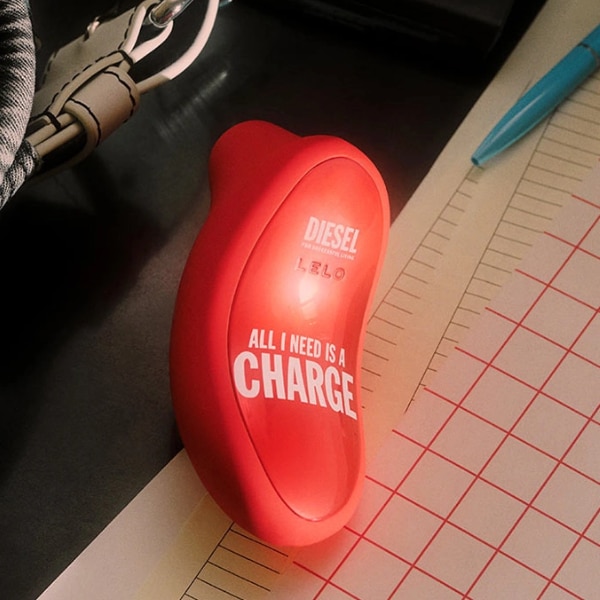
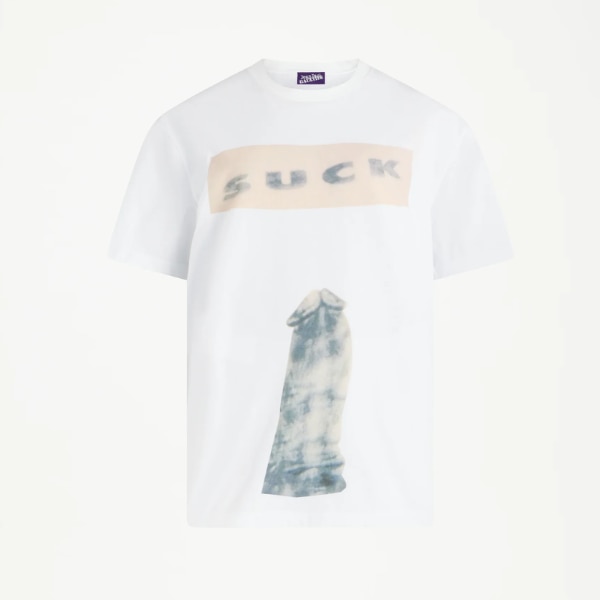
Luxury houses have been particularly playful with this crossover. At Fendi, models appeared in tactile fur and leather chokers that leaned into fetish-coded aesthetics, while Jean Paul Gaultier’s Junior line released a tongue-in-cheek graphic tee that nodded to erotic symbolism. Meanwhile, Diesel has openly explored the intersection of fashion and sex tech, collaborating with pleasure brand Lelo to display vibrators within its show space and transform them into conversation pieces.
Even luxury labels like Gucci have experimented with provocative accessories in the past, signalling a broader willingness within fashion to push the conversation around intimacy into the open.
The rise of pleasure jewellery
While fashion is only recently embracing the concept, wearable sex tech has been evolving quietly for over a decade. One of the earliest examples was Crave’s Vesper necklace, introduced in 2014 as a piece of “pleasure jewellery”, a sleek pendant that doubles as a discreet vibrator.
The idea was simple but revolutionary: pleasure objects didn’t have to be hidden away. Instead, they could exist as beautifully designed accessories meant to be worn openly.
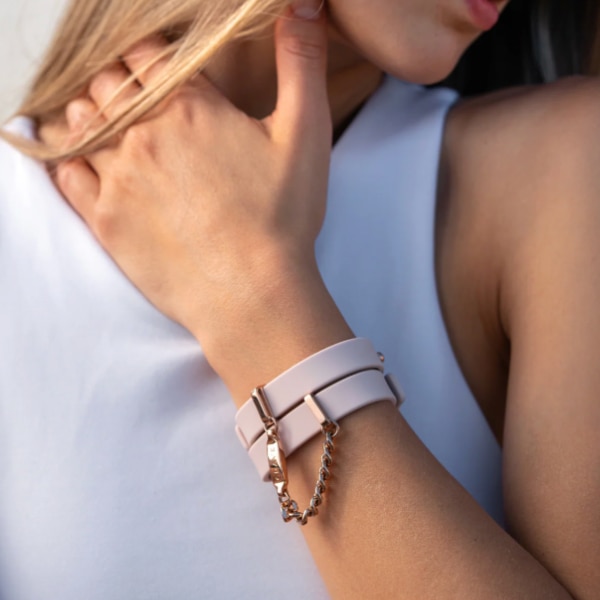
Since then, the category has expanded to include rings, bracelets, and other accessories that merge sensual design with everyday wearability. Pieces such as Crave’s Tease ring or vibrating jewellery blur the boundary between adornment and functionality, creating accessories that serve both aesthetic and intimate purposes.
What makes these pieces especially intriguing is their dual identity. To most people, they simply appear as minimalist jewellery. But to those in the know, they carry an entirely different meaning, one that subtly signals openness around pleasure.
Fashion, identity, and sexual expression
The increasing visibility of these accessories reflects a broader cultural shift. Fashion has long been a space where ideas about identity, power, and sexuality are negotiated. What feels different now is the level of openness with which designers are engaging these themes.
Where earlier eras hinted at sexuality through silhouettes or strategic cut-outs, contemporary fashion often approaches the subject directly. In some cases, garments are not only referencing desire but celebrating it as a natural part of self-expression.
This shift also aligns with wider conversations about autonomy and sexual agency. As discussions about pleasure become more visible in mainstream culture, fashion is responding by embracing the same openness, sometimes with humour, sometimes with provocation.
The idea of wearable sex toys might still feel unexpected, but in many ways it is simply the next step in fashion’s long-standing fascination with intimacy. Designers have always used clothing to explore attraction, confidence, and identity. Today, they are just doing so with fewer euphemisms.
Lead Image: Getty Images
Inside image credits: The brands
Also read: The bubble dress trend is here and it's bigger than ever
Also read: The Oscars 2026 red carpet was polished, pretty and a little too safe
Comment
more from Fashion
The festive wardrobe gets a sporty update, with more to discover on Amazon
Which Cosmo girl are you?
The new rules of wearing a shirt, according to fashion insiders

Why we can’t stop collecting scrunchies, even when we already have too many
Is your style seeking you?

After Violet, these 'Bridgerton' characters deserve their own spin-offs
The makeup trends that defined every decade, from the '20s to the 2010s

Breaking down the ending of ‘Verity’
Here’s your sweet pick, according to your zodiac sign
Cosmo crew recommends: what to gift, eat, read, and stream this holiday season