
Amazon Fashion and Beauty is using AI to make your next obsession easier to find: Romita Bhandary
Exploring emerging fashion and beauty trends on Amazon, smarter with AI

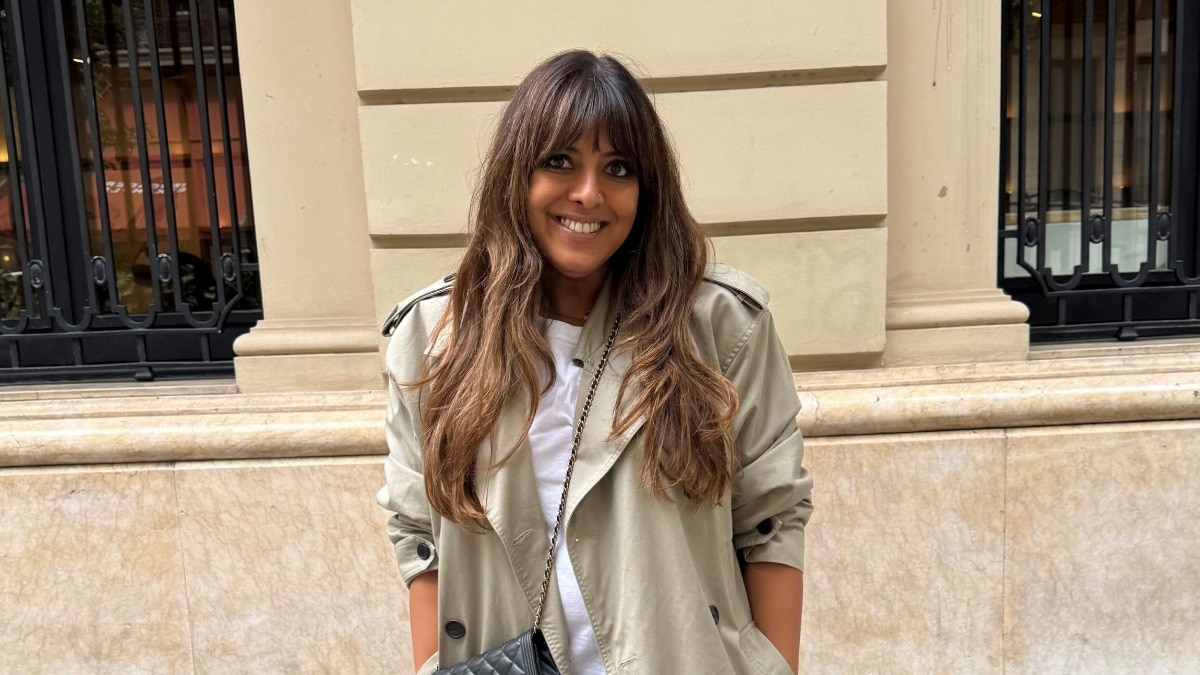
The Indian fashion industry is experiencing one of its biggest churns ever. All thanks to the easy access, facilitated by the country's e-commerce maturity. According to reports, the e-commerce market is projected to reach $160–200 billion by 2026, driven by over 270 million online shoppers. Fashion remains the largest ecommerce category, contributing nearly 30% of online retail sales, while beauty and personal care continue to see double-digit annual growth. The beauty market is taking big leaps and attracting international brands. Add AI into that mix. It is reshaping the sector through hyper-personalised recommendations, virtual try-ons, predictive logistics and conversational shopping experiences. Romita Bhandary, Creative Head of Fashion and Beauty at Amazon India, is a tastemaker with an astute understanding of where the Indian consumer is now and where they want to go from here. And she is giving direction to where this evolution is going. In an email exchange with Cosmopolitan India, Bhandary shares what influences purchasing decisions today, how shopping behaviour has shifted from trend-following to trend-curating, and how AI is playing a role in shopping for the Indian customer.
Cosmopolitan India: You have collaborated with some of the leading fashion brands in the industry. How has this journey shaped your creative lens at Amazon Fashion and Beauty?
Romita Bhandary: Fashion has always fascinated me because it’s never really just about clothes. It’s about identity, mood, confidence and culture. Working in New York taught me the power of distinct brand worlds and deeply understanding the customers behind them. Coming back to India expanded that lens completely. Fashion here is layered, expressive and constantly evolving—and technology has accelerated that even further over the past decade. What excites me about Amazon Fashion is the scale and complexity of it. You’re designing for millions of people across the country, all discovering style in very personal ways. For me, the sweet spot is where editorial storytelling meets accessibility — making fashion discovery feel inspiring, intuitive and culturally alive.
C: Indian fashion and beauty have never felt more alive. What's driving this shift, according to you?
R: I think people feel far more liberated in how they dress now. Fashion is less about occasion or approval and much more about identity and self-expression. Style feels more instinctive, personal and individual than ever before. What’s exciting is how fluidly younger Indians mix influences—luxury with streetwear, vintage with emerging labels, sneakers with traditional silhouettes. The styling language feels far less rule-bound now. At the same time, customers are incredibly visually aware. They’re discovering aesthetics, creators and subcultures in real time online and building their own point of view. That’s what makes fashion in India feel so exciting right now—it’s expressive, experimental and culturally very alive.
C: Amazon Fashion and Beauty serve a diverse audience—across cities, budgets and tastes. How do you curate for all of them without losing the aspirational edge?
R: You can’t curate India through one lens. The country is far too layered for that. A lot of inspiration comes from observing culture in real time—internet behaviour, creators, music, regional style movements, and what people are actually saving, sharing and wearing. Some of the most interesting fashion signals today come from unexpected places. For me, aspiration isn’t about exclusivity. It’s about emotional connection. People want to feel seen in the experience, whether they’re shopping for premium beauty or everyday essentials. I’ve always been interested in bringing a more editorial, storytelling-led lens to e-commerce, making discovery feel immersive, culturally relevant and intuitive at the same time.
C: We’re seeing customers move from trend-following to trend-curating—building looks that feel uniquely their own. How is this shift influencing the way Amazon Fashion and Beauty approaches discovery?
R: Discovery feels far more immersive now because people don’t think in neat categories anymore. They think in moods, aesthetics, inspiration and occasions. We also live in a deeply social-first world, and that’s completely changed how people discover style. Culture moves fast, and shopping behaviour moves with it. That changes how you design experiences. Discovery today has to feel intuitive, visual and emotionally driven, more like moving through culture than browsing a catalogue. Creatively, it’s a really exciting shift.
C: Creators are playing a big role in shaping fashion and beauty choices. How is Amazon integrating creator-led inspiration into the shopping journey?
R: Creators have changed discovery by collapsing the distance between inspiration and reality. Fashion feels far more immediate, personal and interpretable now. What really resonates today is authenticity and point of view. Audiences are incredibly good at spotting what feels forced. I think creators have made shopping feel much more conversational and culturally alive.
C: AI is increasingly shaping how we discover products. As convenience and inspiration increasingly go hand in hand, how is Amazon using AI to make fashion and beauty discovery more seamless, intuitive and personalised for customers?
R: AI is making shopping feel far more instinctive. People don’t think in keywords anymore. They think in references, moods, aesthetics and energy. What’s exciting is how quickly discovery is shifting from search to interpretation; understanding what a customer means, not just what they type. It still feels like the very beginning of a massive shift, which is what makes this moment so exciting, both creatively and technologically.
C: Amazon sits at the intersection of global trends and local preferences. How are you making international fashion and beauty trends accessible to the Indian customers?
R: Indian customers are incredibly globally aware today, but they still want fashion to feel relevant to their lives and personal style. The interesting part isn’t just bringing global trends to India, it’s interpreting them through a local lens. How trends are styled, layered and adapted here makes them feel far more personal and wearable. I think that blend of global inspiration and local expression is what makes fashion in India so exciting right now.
C: Looking ahead, what does the future of fashion and beauty discovery look like in the next decade?
R: I think fashion discovery is becoming far more visual, intuitive and instinctive. People will increasingly shop through moods, references and aesthetics rather than traditional navigation. At the same time, culture is constantly evolving, so discovery will always be shaped by human taste, creativity and point of view. The balance between technology and human curation is what keeps it exciting.
Image: Amazon
Also Read: How cultural conditioning still shapes the timeline women are expected to follow
Also Read: Why everyone’s talking about subconscious reprogramming right now?
more from Fashion

Everyone wants a “low-maintenance relationship” until they’re actually in one
Unique gifts for every personality: Meet them where they are

I deleted Instagram for two months and forgot what was wrong with my face
Did life really feel better before 2020, or are we just nostalgic?

These 7 tips will have you making out like a really, really good kisser

Are mismatched wellness habits the new relationship fault line?

The first-date outfit crisis is real, and men need to do better
Is pessimism around dating changing our brain chemistry?
#SaneGirlEra: Six research-backed apps to help you cope with anxiety
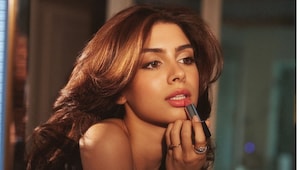
The hero beauty and wellness essentials that Team Cosmo just can’t do without