
From sleepwear to swim wear, India’s experiencing a rise in homegrown brands
Driven by changing lifestyles, digital-first brands and a demand for inclusive design, Indian labels enter intimate and comfortwear market

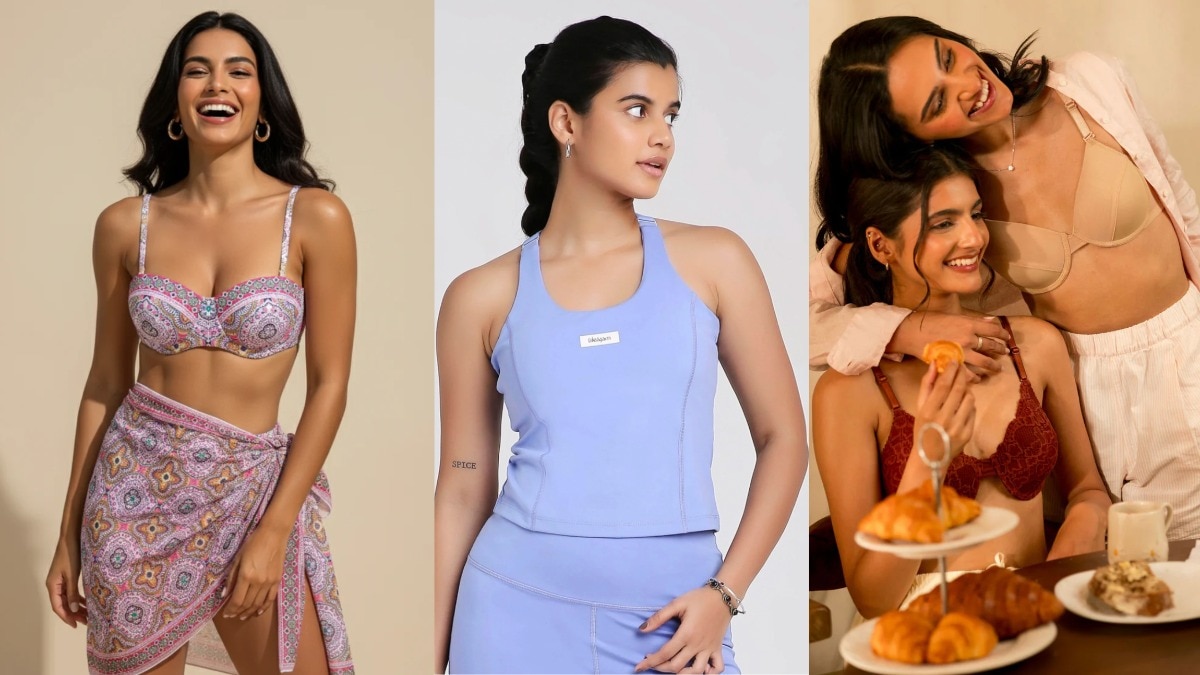
Comfort has found a new voice in India. What was once a category defined by functional basics, sleepwear, loungewear, lingerie, and swimwear has transformed into a space where design, inclusivity, and lifestyle meet. Life & Jam has emerged as a brand built around real Indian lifestyles, not imported wellness ideals. “In India, movement doesn’t happen in neatly defined windows. A single day can include yoga, work, travel, family time, errands, and rest and that too in max traffic and heat and humidity,” explains Anush Jain, Co-founder, Life & Jam. The brand emphasises natural fabrics, thoughtful fits, and craftsmanship that improves with wear. “Our products don’t ask you to dress for fitness. They fit into your life as it is. Just like yoga itself: Ancient in origin. Modern in practice. Relevant everywhere. That’s what Life & Jam is building—not just loungewear, but a calmer, more intentional way of dressing,” Jain details. With this philosophy, Life & Jam demonstrates that everyday clothing can be luxurious, functional, and deeply personal at the same time.
While niche brands innovate for thoughtful comfort, mass-market players like Westside are focusing on greater reach for a wider audience. “Westside ensures trend-led lounge, swimwear, and lingerie reach the modern, contemporary woman craving fashionable lingerie, loungewear, and on-trend swimwear via an expert team of international specialists guided by savvy Indian women in buying and design. Global inspirations are localised to celebrate the Indian woman, delivered affordably across stores and online,” says Umashan Naidoo, Head Customer and Beauty, Westside. The brand’s philosophy is as much about accessibility as it is about style. “With trends changing rapidly, Westside adapts them for India by partnering with top global lingerie experts and immersing in quarterly retail trips to catwalks and premier shopping destinations. Customer love drives fast sales via member feedback. Success shines when women don our knitted loungewear in business lounges, at airports, or resorts, pairing drawstring pants with printed tees for breakfast pure sweet-spot magic.” In other words, Westside is proving that homegrown brands can scale sophistication and reach, making fashionable intimates accessible to a broad market without compromising on quality.
In parallel, the performance-driven comfortwear category has found its champion in TEGO. Focused on durability, utility, and ease of movement, it caters to consumers whose days are unpredictable and active. “When we started TEGO, the Indian activewear market offered very limited choices. You either had mass brands selling generic products that didn’t work for Indian heat, fashion-led athleisure that looked good but underperformed, or global brands that were over-engineered for occasional users and inconsistent in quality. What was missing was the everyday athlete—people who train consistently across running, strength, yoga, and recovery while balancing demanding lives. TEGO was built around three fundamentals: fabrics engineered for Indian heat and humidity, fits designed for Indian bodies and movement, and durability that holds up to frequent washing,” says Krishna Chandak, Co-founder, TEGO. “We grew by listening closely to early adopters and delivering function over hype. Our ethos, Hard Work Shows, recognises the discipline people already put in.”
The lingerie category, too, is being transformed by homegrown innovation. Bodybutter, a young but ambitious brand, approaches lingerie through the lens of comfort, inclusivity, and everyday wearability. “Comfort isn't negotiable for us, it's at the very heart of what ‘elevated everyday’ means,” explains Mansi Gulati, Founder, Bodybutter. “Bodybutter isn't about making bodies look a certain way, it's about making women feel like themselves.” Their designs avoid restrictive silhouettes and extreme shaping, focusing instead on gentle support, soft elastics, and climate-conscious construction, reflecting the needs of Indian women across diverse body types. Inclusivity and body positivity continue to drive innovation in intimate wear. Listening closely to consumer feedback, brands like Bodybutter refine sizing, fits, and construction to ensure their products accommodate real bodies.
Same goes for TEGO. “We design for how people actually train, recognising that bodies move differently and that preferences for fit and coverage vary widely,” says Chandak. “Some athletes prefer minimal coverage for greater movement awareness, while others want more security to train without distraction. Our role is to support both by offering real choice—different rises, inseams, compression levels, and coverage options shaped by movement and intensity, not symbolism.” By prioritising experience over idealised aesthetics, homegrown brands are fostering a deeper connection with consumers, redefining what empowerment looks like in clothing.
If nightwear represents the beginning of this new comfort era, swimwear illustrates its cultural and emotional depth. For decades, Indian consumers approached swimwear cautiously, navigating issues of fit, confidence, and social perception. Curvves and WomanlikeU are rewriting that narrative. Inclusive sizing, body-positive messaging, and designs that prioritise confidence over conformity are reshaping what it means to step into a swimsuit.“There is no such thing as a standard Indian body type. We’ve seen women ordering the same size give completely different fit feedback—one may find it loose at the bust, while another finds it tight. Cup sizes, body proportions, and waist-to-hip ratios vary so widely that swimwear design in India has to account for countless combinations,” says Shashank Mangal, Founder, Curvves.
That attention to fit directly influences how women feel in swimwear. “When the fit is right, confidence naturally follows. Even a bold bikini can feel empowering if it fits well, but if something pinches, gaps, or bulges in the wrong places, no amount of design can make a woman feel comfortable,” adds Mangal.
Sweet Dreams has tapped into this evolution with a philosophy that blends softness, breathability, and style. “Sweet Dreams designs sleepwear that reflects how consumers actually live today—seeking comfort that moves seamlessly from rest to relaxed daywear, without compromising on style or affordability,” says Hitesh Ruparelia, Co-Founder, Sweet Dreams. “It illustrates how the brand balances trend-led aesthetics with accessibility, making it a player that is redefining Indian sleepwear. Consumers today increasingly seek pieces that carry them effortlessly from rest to day-to-day wear, and homegrown labels are responding to that demand.”
These brands aren’t just selling clothes—they’re cultivating courage and self-expression, proving that swimwear can be a source of joy rather than anxiety.
Taken together, these shifts reflect a broader cultural change in India. From sleepwear to swimwear, loungewear to lingerie, homegrown brands are designing for authenticity, inclusivity, and everyday functionality. This movement is not only reshaping fashion but also signaling the rise of a confident, modern Indian consumer who expects more from her clothes than mere appearance. Homegrown innovation is no longer a niche—it is defining the future of intimate and comfortwear in India.
Image credits: The brands
Also read: All the cobalt blue essentials you need for your 2026 wardrobe revamp
Also read: If a man wears this, date him….
more from Fashion

Barbie doll stilettos are bringing the drama back to our shoe wardrobes

Want your relationship to last? Eliminate this habit first

Driving from Mumbai to Lonavala? Add this scenic café to your itinerary

How to slide into someone’s DMs without making it weird
Your fashion feed needs to know about these labels right now

Dear Hollywood, take notes from 'Harry Potter' and 'Crazy Rich Asians'—our books need series

If you loved ‘Verity’, you have to watch these 10 films

After Violet, these 'Bridgerton' characters deserve their own spin-offs

The makeup trends that defined every decade, from the '20s to the 2010s

Breaking down the ending of ‘Verity’