
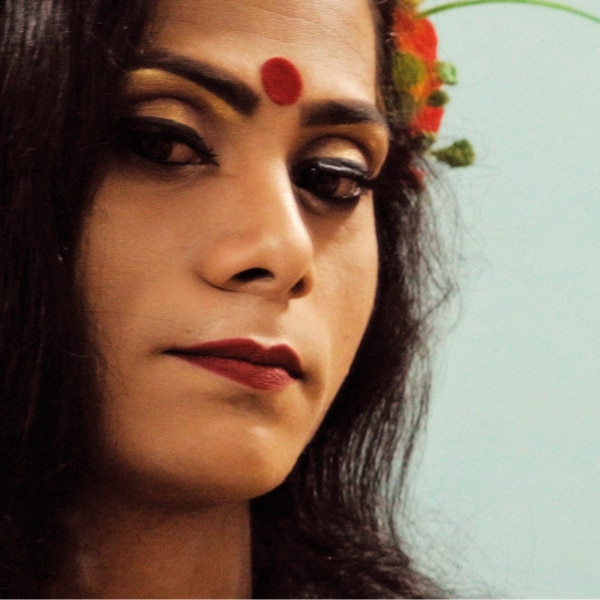
Meet the Bangladeshi trans women redefining community, identity, and home
A book and a documentary film—how two projects that bind India and Bangladesh open a window into Southeast Asia’s trans communities and their evolving work, push for rights, and new means to love and live.

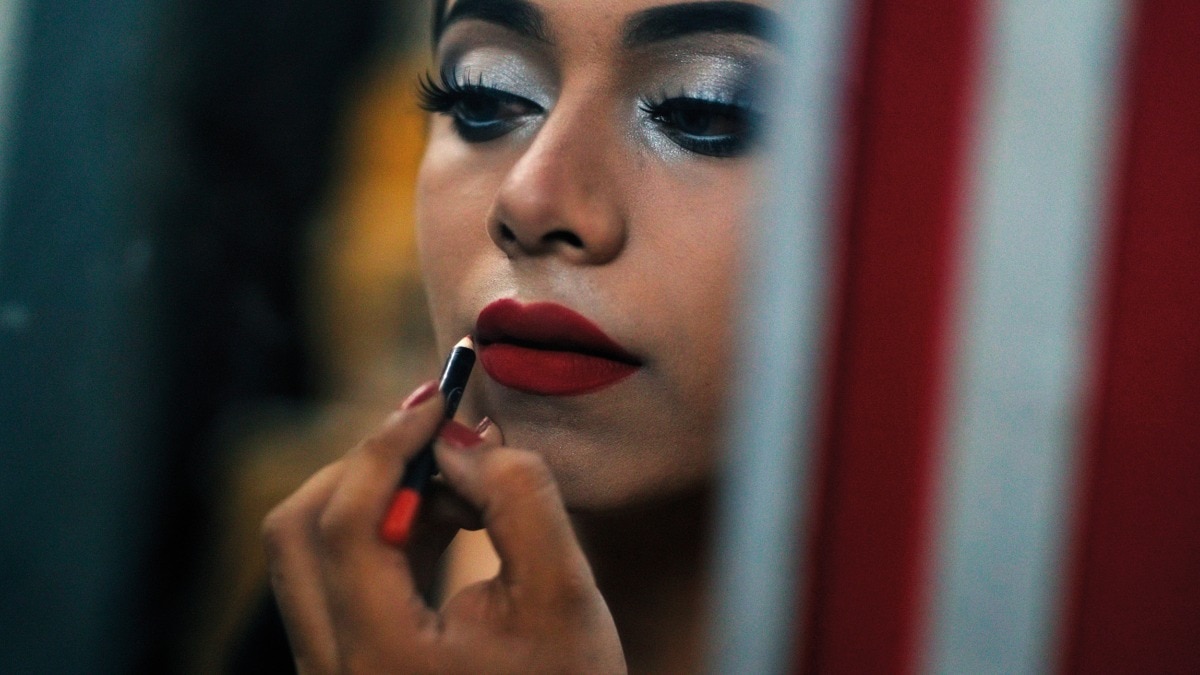
When Bangladeshi photographer Shahria Sharmin travelled to India along with the Bangladeshi hijra community, she realised that the country provided them a greater sense of safety and social acceptance. For anyone who has grown up as part of various Southeast Asian cultures, they would be aware that the hijra community has a deep socio-cultural connect, defined as the ‘third’ gender, intersex, or often those who reject their masculine identity. Recalling how transwomen at one of Bangladesh’s many garment factories were not allowed to wear womenswear as the manager was afraid it would distract others and reduce productivity, Sharmin aimed to document the community’s stories, now collated in the photo book, Call Me Heena (2025).
Meanwhile, British-Bangladeshi designer and artist Rahemur Rahman, along with British filmmaker Lily Vetch, ventured into documenting the lives of three hijra women in Bangladesh, and it was made into a short film, Body of Our Own (2026). Rahman’s film, which premiered at BFI Flare in March, will make its India debut at Kashish Pride Film Festival this June, adding to the dialogue for rights and recognition for legal change, which Rahman wants.
Here, we highlight the details and intricacies of both projects, even more pertinent in the light of the Transgender Persons (Protection of Rights) Amendment Bill 2026, which, although recognises the hijra identity, threatens to break apart safe spaces that Bangladeshi immigrant hijra women have created for themselves in India and their support to young trans people. Passed this March, the law mandates a medical certification process for recognition of transgender individuals, along with narrowing the definition of the community itself, undermining the process of self-identification.
Rahman’s encounters
A guruma (maternal leader of a gharana or hijra household) and her four non-binary chelas (disciples) walk into a metro station in Bangladesh as the loudspeaker routinely announces that the front row seats are reserved for women. “We’re all transgender women,” she calls out to the police officers as they enter the first coach. But the voice booms again as if somehow only for their ears, asking them to follow protocol and empty the seats. A hint of trepidation appears on her face—but the train suddenly moves forward. Relieved, she asks her chela to record a Reel as she sashays down the aisle.
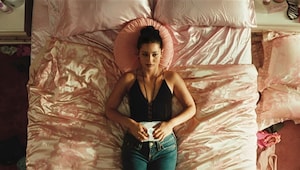
That’s how we are introduced to Momo in Body of Our Own, where three hijra women navigate their freedom to live, love, and earn in a country of contradictions—which recognises them as ‘third gender’ yet complies with the colonial era Section 377, which criminalises same sex sexual activity. “When we first walked into Momo’s house in 2019, she and her chela, Jannat, were getting ready for an award ceremony, and they were telling us about their aspirations,” recalls Rahman: “If only the system let them get jobs and feel safe simultaneously.”
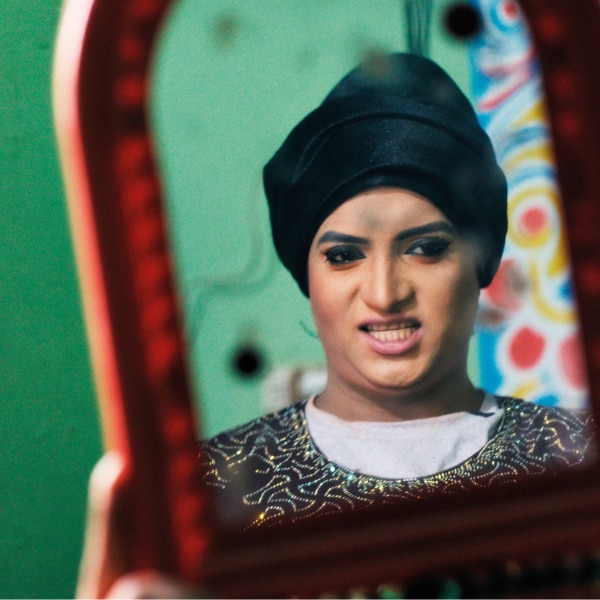
“Transwoman!” someone exclaimed behind Momo infusing the word with a talismanic energy as she stood in front of a mirror, “She’s left the hijra culture behind—now she works in show business!” For many of the girls ‘hijragiri’ was a set of chores that the system had historically relegated to them like begging, blessing babies, and sex work, Rahman notes. However, Momo had dreams of being a performer. “That’s when she was also starting to self-identify as a transwoman,” he says. Jannat would live Momo’s showbiz dreams by having her own show in Mumbai and being an in-demand showgirl.
Beyond the glamour of being a premium earner on the glitzy stage, is also being the digital darlings of what Rahemur calls ‘hijratok’, where another hijra woman Neshi goes live to answer comments from admiring fansand people wanting to tip her, on platforms like TikTok and Bebo Live. “We first heard about it when the girls kept showing us famous hijras who were earning well and getting 25 million views,” gushes Rahman, “The Jenners would be jealous! But that’s also how they find clients or boyfriends along with getting the same salary as a creative influencer in London—without that financial security, the girls wouldn’t be safe.”
This rings true as the guruma-chela system doesn’t always offer autonomy or agency. “Is there such a thing called freedom?” Neshi asks, dejectedly. It is an alternate guruma-chela system that Momo has been building with her chela like Jannat where they treat each other like friends. “Sisters who have the audacity to fight as they get each other’s backs,” says Rahman, “Once she travelled to one of her ill chela’s places and begged on the street so her chela would have enough money for a month. When I met Momo and the girls, it would have been three years after I had been kicked out by my own family after coming out—and I felt like home was with them as well.”
Sharia and Heena
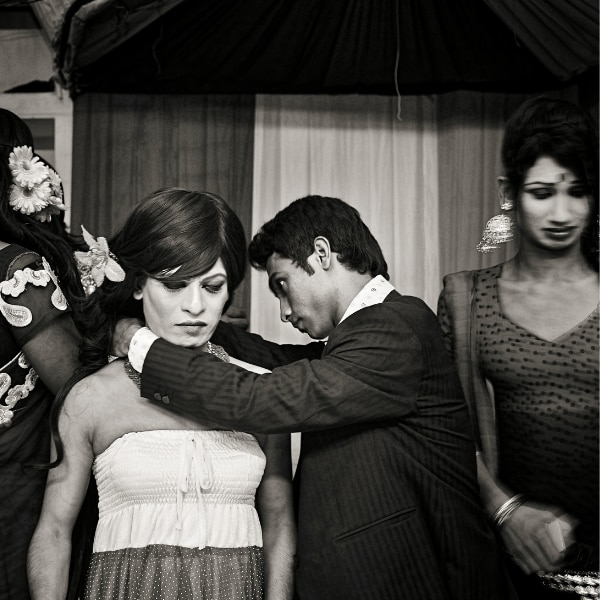
A guruma and her chela sit on two ornate chairs decked in heavy jewellery in what appears to be a wedding tent. Moreover, their hands are stained with ceremonial henna as the older woman shifts towards her disciple, smiling with pride as she stares, unfazed into Sharmin’s camera. “This was taken when the chela underwent a process which, for some, marks a transition towards becoming more aligned to their gender identity,” says Sharmin, “The celebration can feel similar to a wedding—and they wanted to be photographed in a way which reflected how they saw themselves.”
Sharmin met Heena after she became close to four hijra women at the garment factory she was assigned to work in for her final photography graduation project.“Our relationship grew slowly as I was an outsider,” she says. “We spent long hours talking and sitting in silence. I remember she once said, ‘I feel like a flower made of paper. People admire me from a distance, but no one comes close.’ That stayed with me.”
There are deeper interiorities in Sharmin’s book that unfold with emotion. Particularly a segment of photographs where the community is with their families, partners, and friends—inserted in between pages printed with a photograph of a flower blooming with the promise of possibility. “Heena spoke about her wish to be part of a family photograph with her parents and siblings,” recalls Sharmin as we look at a portrait of someone with their old father dressed in new hand-dyed clothes. “But her family didn’t agree to be photographed. With others, there were moments of reconnection—but they were not always permanent.”
Influenced by photographer Dayanita Singh’s extended work ‘Myself, Mona Ahmed’ (2001) and American photographer Nan Goldin, Sharmin’s book took 12 years of intimacy and conversations to complete, as she stayed over at brothels and homes and travelled with the community as they crossed borders into India.
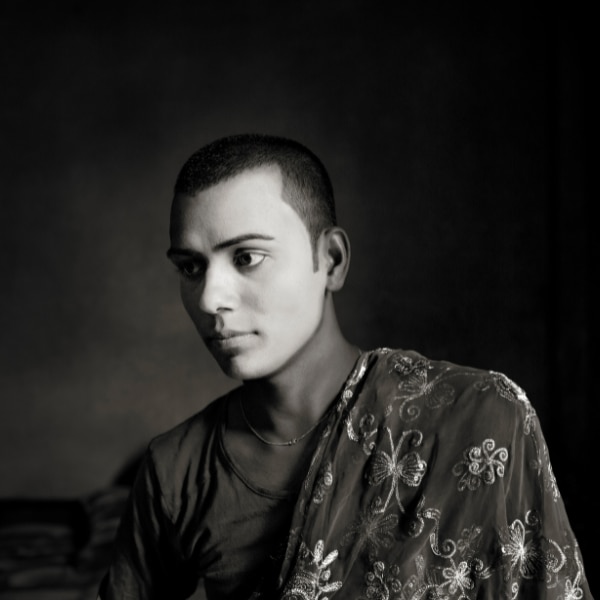
“Access to hormone treatment was more available along with opportunities to earn a living,” she explains, “What feels most urgent is not only recognition in policy but also inclusion within families, workplaces, and public life.” Towards that, Sharmin used a wooden street box camera to photograph once she realised the pace of the photographing would be slower and more deliberate when capturing family. “The awareness of being photographed allows space for negotiation which became important as these relationships are fragile,” she says. “I created a makeshift outdoor studio where curious villagers would gather, watch, and sometimes even help build the setup. Through this process, they began to see the person they usually ignored, differently—as someone who was being given time and importance. That shift, even if temporary, was an important part of the work.”
This article originally appeared in Cosmopolitan May-June 2026 print issue.
Photographs: ‘Body Of Our Own’ courtesy Rahemur Rahman and Lily Vetch; ‘Call Me Heena’ courtesy Shahria Sharmin
Also read: The 'Elle' trailer is here and we finally know what Elle Woods was like before 'Legally Blonde'
Comment
more from Life

Not every shower thought needs to become a side hustle, and Morgan from ‘Nobody Wants This’ proves it

'Our obsession with true crime isn’t just morbid curiosity—it's all part of our desire to regain control'

Why advent calendar unboxing videos are my favourite kind of holiday content
Unique gifts for every personality: Meet them where they are
#SaneGirlEra: Six research-backed apps to help you cope with anxiety
“Why choosing a man-repellent haircut was the most liberating thing I did”

How to make the lingerie-as-outerwear trend work for your wardrobe

Are you and your partner having mercy sex? This is how sex expectations can damage relationships

Welcome to emotionships—where you have feelings but no relationship status
Dear universe, when am I going to get a boyfriend?