
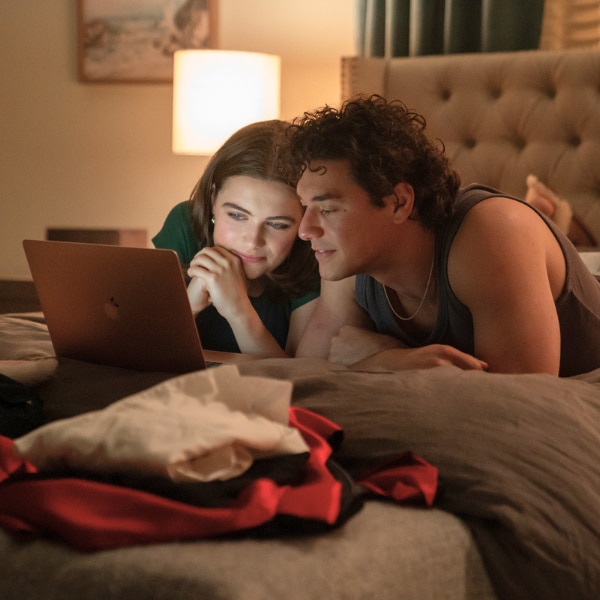
Why does everyone think 'Voicemails for Isabelle' is based on a book?
Have we started equating "feels like a book" with quality storytelling?

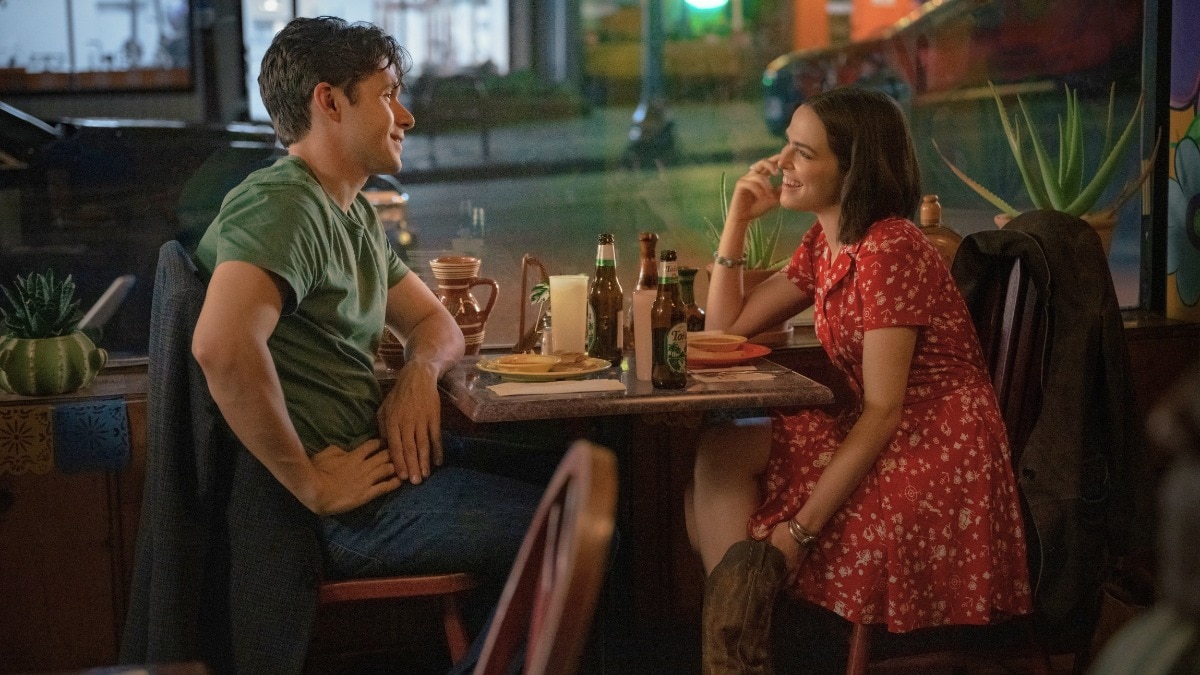
At a time when audiences expect every compelling story to come with source material attached, Voicemails for Isabelle feels like an anomaly. Spend enough time scrolling through reactions to the film, and you'll find viewers asking the same question: What novel is this adapted from? The assumption has become so common that learning there isn't a book behind it almost feels like a plot twist.
But the reaction reveals something far more interesting about how we consume stories in 2026.
After years of BookTok recommendations, literary adaptations, and studios mining existing intellectual property for content, we've started treating books as a shorthand for narrative quality. If a story feels emotionally rich, character-driven, and deeply immersive, many viewers instinctively assume there must be a novel behind it. In a culture saturated with adaptations, we've begun to see literature not just as one storytelling medium among many, but as the benchmark against which other stories are measured.
This raises an interesting question: when audiences say a film "feels like a book", what are they actually responding to? In the case of Voicemails for Isabelle, the answer has less to do with plot and more to do with the way it approaches emotion, intimacy, and grief.
The adaptation era
The assumption that Voicemails for Isabelle must be based on a novel doesn't exist in a vacuum. It arrives at a time when some of the most culturally dominant romance stories are adaptations. Audiences have gone from obsessing over Off Campus to debating People We Meet on Vacation, while a steady stream of beloved romance novels continues to make the leap to screen.
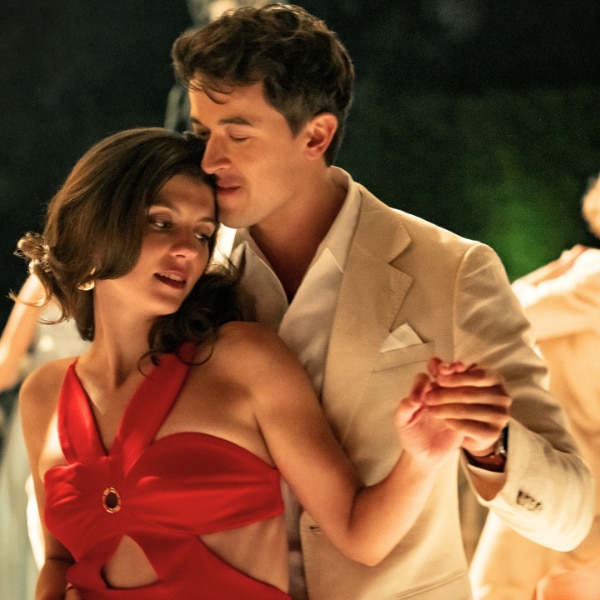
BookTok has only accelerated the trend. Readers are no longer simply consuming novels; they're casting movie adaptations in their heads long before studios announce them. Entire online communities now revolve around discussing who should play a favourite character when a book inevitably reaches the screen. The adaptation has become part of the reading experience itself.
There's also the "characters written by a woman" factor. Many of the stories dominating romance conversations today, whether from Emily Henry, Elle Kennedy, Ali Hazelwood, or Abby Jimenez, are celebrated not just for their love stories but for the emotional specificity of their female protagonists. Audiences increasingly associate that kind of interiority with books, which is why a film like Voicemails for Isabelle immediately triggers the same instinct. If it understands women this well, surely there must be a novel behind it.
The DNA of a novel
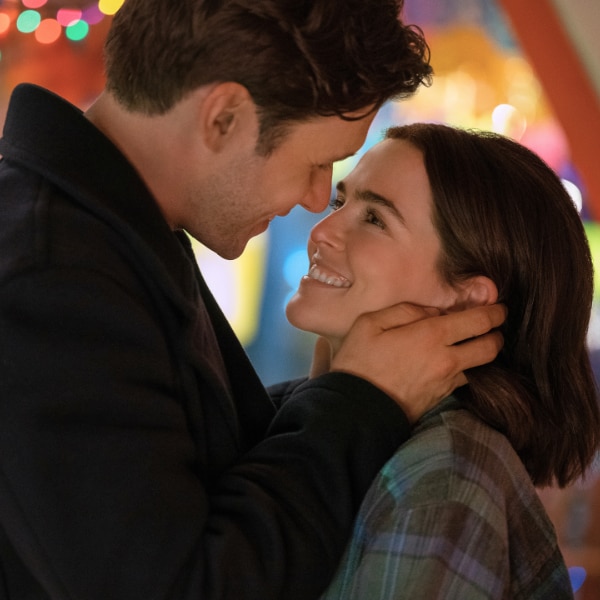
Part of the confusion comes from the way the film is constructed. Voicemails for Isabelle doesn't move like a conventional romantic comedy. Instead, it unfolds through voice messages, memories, and emotional observations, giving viewers unusual access to Jill's (Zoey Deutch) inner life. The experience feels closer to reading someone's journal than watching a traditional meet-cute.
Zoey Deutch's performance deepens that feeling. Much of her work happens beneath the surface, carrying emotional information that isn't spoken outright and allowing viewers to sit inside Jill's grief rather than simply observe it. It's the kind of interior storytelling that literature often excels at because novels can devote entire chapters to a character's thoughts. Alongside her, Nick Robinson brings the familiar romantic-hero energy to Wes, something audiences already associate with adaptation culture through films like Love, Simon and Everything, Everything.
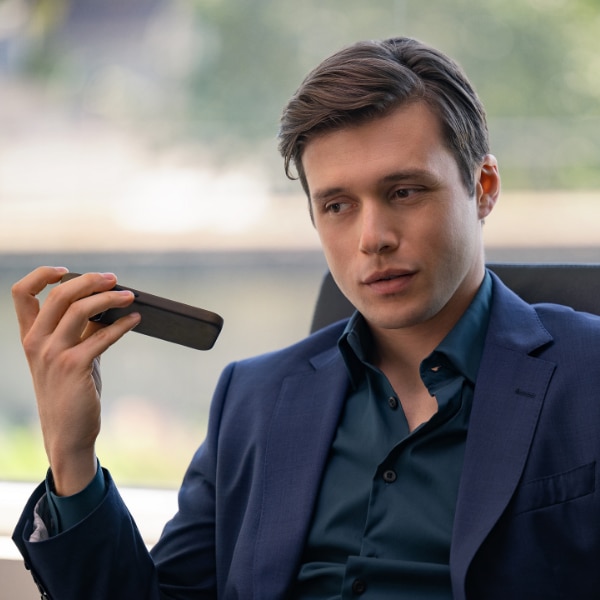
The film's voicemail structure creates something else, too: the illusion of a narrator. We aren't simply watching events unfold; we're hearing Jill interpret them. That's a dynamic audiences encounter far more often in books than on screen. By inviting viewers so deeply into her interior world, the film creates a distinctly literary feeling, even without source material.
More than a love story
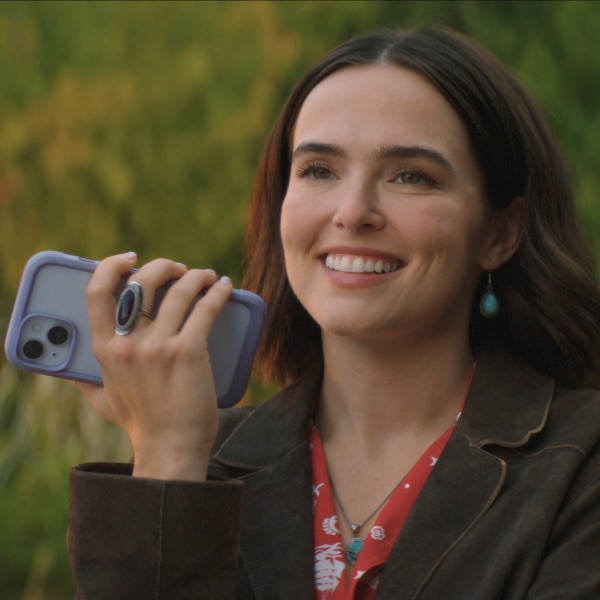
What makes Voicemails for Isabelle linger isn't the romance alone. At its core, the film is just as invested in grief, sisterhood, and the strange ways relationships continue after loss. Every voicemail exists because Jill is trying to maintain a connection with someone who can no longer answer.
While the relationship between Jill and Wes drives the story forward, the relationship between Jill and Isabelle (Ciara Bravo) gives it its emotional centre. The film repeatedly returns to the bond between the sisters, treating it with the same significance as the central romance.
Romantic dramas often position love as the defining relationship in a character's life. Voicemails for Isabelle doesn't. The romance matters, but the story continually circles back to grief, memory, and sisterhood, allowing multiple emotional threads to coexist rather than compete for attention. That's often what novels do best, and it's another reason the film feels bigger than a straightforward romantic drama.
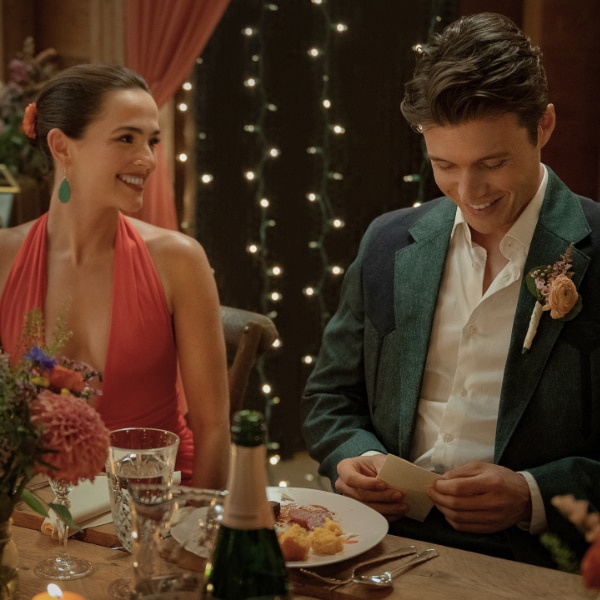
Maybe the real achievement of Voicemails for Isabelle isn't convincing audiences it's based on a book. It's reminding them that original screenplays can still feel this rich. Fittingly, writer-director Leah McKendrick, who also appears in the film as Breeda, created a story so fully realised that viewers assumed it must have existed somewhere else first.
Perhaps the highest compliment audiences can give a film today is mistaking it for a novel, because Voicemails for Isabelle proves that original stories can still feel as rich, intimate and lived-in as the books we can't put down.
All images: Netflix, IMDb
Also read: Why 'Off Campus' is the grown-up romance adaptation we needed in 2026
Also read: The 'Elle' trailer is here and we finally know what Elle Woods was like before 'Legally Blonde'
Comment
more from Life
Unique gifts for every personality: Meet them where they are
#SaneGirlEra: Six research-backed apps to help you cope with anxiety

Festive shopping on your mind? Amazon Great Indian Festival 2026 brings Pooja essentials and Diwali gifting at up to 60 per cent off
Are you too independent to be loved?
We know what a healthy relationship looks like, so why do we keep making excuses for the unhealthy ones?
Meet anti-blush, stained glass lips, and 4 other trending makeup looks for fall

Beyond the metros: Smaller cities drive over half of Amazon’s festive fashion and beauty orders
Is the fear of falling first ruining modern dating?
Everyone wants a “low-maintenance relationship” until they’re actually in one

I deleted Instagram for two months and forgot what was wrong with my face