Beyond the metros: Smaller cities drive over half of Amazon’s festive fashion and beauty orders
Nikhil Sinha, director, Amazon Fashion shares his insights on the evolving Indian fashion landscape, from the rise of ethnic wear and premium brands to changing shopping habits, online fashion discovery, and the trends shaping festive shopping.
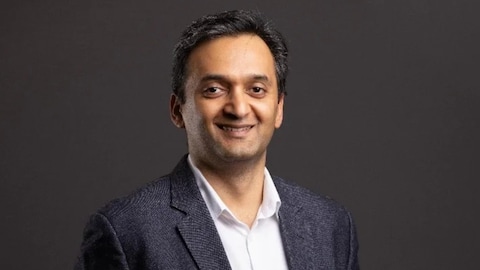
Fashion is no longer limited by geography, and the way people discover and buy clothes is changing with it. Shopping today is less about sticking to a single label or aesthetic and more about finding pieces that fit individual preferences, lifestyles, and budgets. As digital platforms continue to reshape the retail experience, the Indian fashion market is entering a new phase of growth. We spoke to Nikhil Sinha of Amazon Fashion about the shifts redefining the industry, the changing expectations of shoppers, and what lies ahead for fashion retail in India.
Cosmopolitan India: What’s gaining traction in fashion this festive season?
Nikhil Sinha: Women’s ethnic wear is seeing strong momentum this festive season, which is in line with what we would expect at this time of year. Within ethnic wear, Jaipur cottons and Lucknow chikankari have been performing especially well, growing two to three times faster. In menswear, casual wear and denim are also seeing strong demand during the festive period. Beyond this, there is a clear shift in silhouettes. Customers are moving towards more relaxed fits, for both men and women, compared with the slimmer fits that were popular a few years ago.
Footwear has also had a strong start, particularly sneakers and performance styles. We sold over four pairs every second during the initial hours of Amazon Great India Festival from brands like Nike, Skechers, New Balance, Woodland, Hush Puppies and Adidas. There is also a growing interest in distinctive selections from D2C brands. Theatre has grown around 7X year on year. Women’s performance footwear is also gaining traction, although it is still a smaller category than men’s running or badminton shoes.
CI: How would you describe the current state and outlook for India’s online fashion industry? What role do you think Amazon fashion plays in this life space today?
NS: Three structural trends are shaping the fashion business: growth beyond the top metros, premiumisation, and the growing influence of Gen Z. First, demand is increasingly coming from across the country. During the Amazon Great Indian Festival, customers from every pin code in India placed orders within the first 12 hours, showing how online shopping can help bridge gaps in physical access to brands and styles. Second, premiumisation is accelerating. Premium brands now account for around one in every five rupees spent on Amazon Fashion, up from roughly one in ten a few quarters ago, and this part of the business is growing around three times faster than the rest.
Third, Gen Z now accounts for 52% of our customer base. This is no longer a niche segment; it represents more than half of our customers. Our role is closely linked to these shifts. We make a wide selection accessible nationally, bring more premium brands onto the marketplace, and help younger customers discover styles and labels that resonate with them. We have had successful brand launches this year close to over 50, including Nike and GAP, and our Gen Z-focused storefront launched in 2023, rebranded as SERVE now features over two million products from more than 350 brands.
CI: How do you think tier two and three cities compare to your big metros when it comes to maybe these three segments that you spoke about? Are they growing? Are they on par? Are they booming unexpectedly? How do you think your tier two and three cities are?
NS: The latest festive-period numbers show that 50% of Fashion and Beauty orders came from non-metro cities this festive season. Growth is stronger as we move beyond the larger cities, with tier 2 and beyond cities growing at around 3X business-as-usual levels. Non-metro cities are now sizable contributors as well. 52% of Fashion and Beauty orders during the festive season came from outside the metros.
Tier 3 cities recorded the highest customer growth on Amazon Fashion, at around 20% year-on-year. For Gen Z, the share of customers is broadly similar in metro and non-metro markets. Premium demand is also growing faster outside the metros, where online platforms can provide access to brands that may be harder to find in local physical retail. So the story is not only that smaller cities are catching up; they are increasingly contributing to growth and expanding the reach of online fashion.
CI: In the world of AI, what role do you think AI and personalised recommendations play in making online fashion and beauty shopping more intuitive?
NS: Gen Z’s growth reflects a broader change in online shopping behaviour. Many customers are no longer starting with a specific product or brand in mind. They may have seen a look on social media or through an influencer and arrive with an idea, an aesthetic or a feeling they want to explore. That means search remains important, but it is not always the starting point. Customers also need ways to explore and refine what they have in mind through conversation. Rufus, Amazon’s conversational generative AI shopping assistant, plays an important role here.
During the festive season, one in three Gen Z shoppers on Amazon Fashion has been using Rufus for styling recommendations, deal recommendations, and product ideas. Discovery also continues on product detail pages. Features like ‘Wear it with’ recommendations, virtual try-ons, and brand-specific size guidance help customers visualize products and shop with greater confidence. In beauty, tools such as the Skincare Analyzer provide more personalized recommendations based on individual preferences and needs, reflecting how Gen Z increasingly approaches fashion and beauty as a combined expression of identity.
CI: What do you think customers, millennials, and Gen Z are prioritising today when it comes to quality, value, brand discovery, and convenience?
NS: Consumers want all of these things- quality, value, brand discovery, and convenience and that pushes us to serve different needs at the same time. Gen Z, which already makes up 52% of our customer base, is particularly digital and tends to mix and match across brands, styles, and price points. A customer might invest in an expensive pair of imported sneakers, pair them with a basic unbranded T-shirt, choose ethnic bottomwear and finish the look with accessories from another category.
Because the look is assembled from different pieces, the motivation behind each purchase can vary. Brand may be the deciding factor for sneakers, value may matter more for a T-shirt, and convenience or speed may be crucial for accessories needed to complete an outfit. There is no single priority across every purchase; it depends on what the customer is looking for. The opportunity is to offer the right combination of selection, value, and convenience for each need.
CI: Looking ahead, how do you think technology, personalization, and evolving cultural influences will shape the future of Fashion India
NS: These are structural shifts rather than short-term trends. Fashion demand will continue to become more distributed across the country, and over time the distinction between metro and non-metro demand will become less meaningful. Gen Z will continue to shape the market, followed by the generations after it. As younger customers become a larger part of the business, their discovery habits and expectations will increasingly influence how fashion is bought and sold.
Fashion and beauty are also categories through which people express themselves and mark life changes like starting a new job, joining college, or refreshing their wardrobe for a new occasion. As the economy grows, customers are likely to continue moving towards premium products and, over time, luxury. Technology and personalisation will support these changes by making discovery more intuitive, while a wider selection will help customers across India access brands and styles that reflect their individual preferences.
CI: What is the most interesting pattern in consumer data that you have come across during the Amazon Great Indian Festival, especially with respect to trends?
NS: The milestone that stands out most is that non-metro cities now account for 52% of Fashion and Beauty orders during the festive season. We have spoken about these markets as an emerging opportunity for a long time. They now represent more than half of orders. The same is true of Gen Z and premium fashion. Gen Z now makes up over 50% of our customer base, while around one in every five rupees spent on Amazon Fashion goes towards premium brands. These shifts have moved from being trends on the horizon to defining parts of the business.
The scale of Fashion and Beauty during this year’s Amazon Great Indian Festival is also significant. In the first seven days, one in every three products sold on Amazon.in was from Fashion or Beauty, with nearly 150,000 Fashion and Beauty products sold every hour. Taken together, these numbers show how much the business is expanding across geographies and customer segments, while fashion and beauty play an increasingly important role in the overall festive shopping experience.
Lead image: Amazon
Also read: Amazon Fashion and Beauty is using AI to make your next obsession easier to find: Romita Bhandary