The colour shift that can transform your wardrobe (without buying more)
In an era of endless micro-trends and algorithm-driven shopping, the smartest style decision might not be buying something new, but understanding why certain colours work for you and others don’t.
Feb 27, 2026
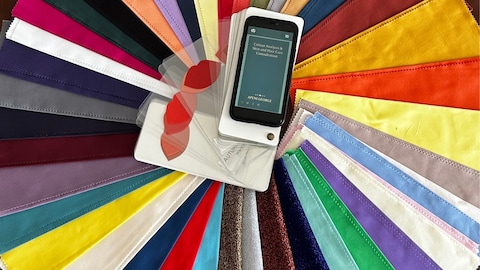
Welcome, colour analysis, the beauty philosophy quietly reshaping wardrobes, vanities, and even car showrooms. In an era where trend cycles move at breakneck speed, and aesthetics shift with every scroll, the idea of narrowing down what truly works can feel radical. But that is precisely the promise of professional colour analysis.
For Apeni George, Visual Identity & Character Palette Consultant and former hair and makeup artist with over two decades in film and fashion, colour is more than aesthetic; it’s alignment.“Your undertone is constant,” she explains. “Sun exposure may change your surface tone, but your undertone, warm, cool, or neutral, doesn’t change. When you wear colours that align with it, you look clear, balanced, and radiant.”
Her pivot toward colour analysis came after years in the beauty industry. While technical training for hair and makeup artists is extensive, she felt the essential language of colour was often overlooked. “Colour connects to everything,” she says. “It’s empowering. It removes judgment towards yourself and others.”
During her 90-minute in-person consultation, she assesses undertone, contrast level, and colour characteristics, offering clients a personalised palette along with practical demonstrations and guidance on integrating wardrobe and makeup.
Actor-producer Anushka Sharma notes that after her session, shopping became “super simple,” while cricketer Virat Kohli shared that the process “took the stress away” from deciding what works. And it’s not just about clothes.
Colour analysis extends to hair colour (is jet black too harsh after 40?), lipstick undertones, eyewear, watches, and even cars. “Astrologers may tell you to wear white,” Apeni says with a laugh, “but is it off-white or stark white? The shade matters.”
The nuance is what makes the system transformative. Two people may both “suit red,” but for one it’s a blue-based crimson, and for another, a muted terracotta. One neutral may glow in soft cream, while another sharpens in optic white. Understanding this specificity eliminates the guesswork that often leads to impulse buys and wardrobe regret.
In today’s visually saturated world, where micro-trends dominate timelines and seasonal palettes are dictated by algorithms, colour harmony offers grounding. Once three or four of the strongest shades are identified, the noise quiets. Shopping becomes intentional. Repetition becomes signature. Personal style shifts from reactive to recognisable.
The emotional impact is equally significant. Clients often describe the shift as subtle but powerful, a sense of coherence when they look in the mirror. “When you wear the right colours,” Apeni says, “you see yourself first.” It’s not about restriction. It’s about resonance.
Four quick ways to start
- Check your jewellery preference: If gold consistently brightens your skin, you likely lean warm. If silver feels sharper and clearer, you may lean cool.
- Step into natural light: Store lighting distorts. Daylight tells the truth.
- Notice fatigue cues: If a colour makes you look tired or grey, it’s likely fighting your undertone.
- Choose signature shades: Identify three colours that consistently receive compliments, then build from there.
At its core, colour analysis is less about rules and more about refinement. It invites a shift from chasing what is trending to understanding what is timeless, at least for you. In a culture that often equates more with better, defining a palette feels almost rebellious. It simplifies decision-making, sharpens identity, and builds a wardrobe that works cohesively across seasons and years.
And in a world of excess, where aesthetics are constantly recalibrated, knowing your colours might just be the ultimate power move: not louder, not trendier, just more you!
Image credits: Apeni George
Also read: We're officially drooling over these polka-dot bikinis
Also read: Low-rise jeans are squeezing back into fashion—here’s how to wear them in 2026
Read more!