Are your "harmless" little treats adding up to a big financial reality check?
An overpriced coffee, a midnight dessert binge, a scroll-to-cart shopping moment. Congratulations, your stress has a subscription now.
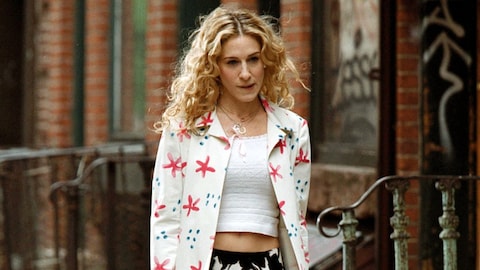
You know how every time you’re having a bad day, you have this urge to treat yourself? An indulgent dessert that feels like the perfect pick-me-up. An expensive cab ride because you simply cannot deal with the walk. Or that overpriced coffee before work, because yesterday was a lot and being caffeinated might make today feel slightly more manageable.
We’ve all had these moments. Tiny decisions where your brain insists this will help, and that you deserve it because life has been a bit much lately. And I’m not here to judge, because I’ve done it too. Ordered a bunch of skincare (that I don't really need) because I just got my salary and deserve some pretty stuff. Or the time I bought an exorbitantly priced top that I only wore twice and then forgot about. And then on a daily basis, I constantly order coffee, snacks, and countless desserts during long workdays because, well, I’m working hard, and I deserve a treat. Sometimes I am genuinely scared to check my order history because I use food delivery apps so often. In fact, there are times when the overall cost has exceeded my electricity bill, too, if I’m being completely honest.
But haven’t we all done that? Indulged in things that feel like small treats, harmless in the moment, only to realise that they’ve added up to a hefty amount that almost always leaves us broke well before the month ends? So why do we still do it?
When “little” stops feeling little
Now, the problem with treating yourself every now and then isn’t about the treat itself, but how quickly this becomes a pattern. It usually starts as a one-off indulgence, “I’ve had a bad day, I deserve this.” But soon enough, it becomes your way of coping, and your brain processes it as a means of dealing with stress.
And it’s not just food. It’s every little treat you’ve given to yourself anytime you feel anxious, unhappy, or just blah. Even something as small as ordering a new lip balm during a mindless scroll can feel rewarding because the idea of receiving a package in the mail gives you something to look forward to.
If you look at these expenses individually, they don’t feel like much because they might seem more affordable. Maybe you had a coupon. Or there was a sale where you got a ₹699 lip balm for ₹550. It's the girl math doing its work. Add to that the fact that it felt earned and even necessary, which justifies the spend. But the dopamine loop is subtle like that. It doesn’t announce itself as habit-forming, just slowly rewires your idea of what counts as normal.
And that’s when “little” stops feeling little. It’s no longer occasional, but a part of your routine now.
Main character spending
Another reason people invest in these little indulgences is because of the way we've started to look at them. They're not just treats, they're part of the aesthetic that romanticises the soft life. Your morning coffee becomes a slow, cinematic start to your day. Your little afternoon dessert becomes a form of self-care. And that mid-week online shopping spree? That's your way of breaking the monotony, giving you something new and exciting to look forward to.
And it goes deeper than that. We’ve started building entire routines around these moments. It feels intentional, curated, almost like you’re designing a life that looks and feels good in small, digestible ways. And social media reinforces this further. There's the "that girl" trend that romanticises soft, slow mornings with iced coffee on an aesthetically curated work desk, under perfect (almost) natural lighting that just looks put together. It makes you believe that having these small treats justifies the hustle and bustle of life, because you get to treat yourself with well-deserved indulgences.
So what used to be an occasional pick-me-up now feels like a daily standard. And not doing it almost feels like you’re depriving, or rather neglecting yourself.
The quiet anxiety part
The weird part about these spending habits is that the guilt almost always kicks in after you’ve already spent the money. It's that tiny pause right after you place the order, when you have this urge to check your bank balance, just to make sure you’re okay. But you quickly tell yourself “it’s fine”, knowing well enough that it’s not fully fine.
That’s what makes it so easy to ignore. It never feels serious enough to count as a real problem. You’re not in financial ruin. But there is that little nagging awareness that maybe this is getting a bit out of hand. It shows up in small ways, too. You avoid checking your food delivery or transaction history on UPI apps because it might make you anxious. You try to mentally add up what you’ve spent this week, and then decide, almost immediately, that you’d rather not know.
It's a loop, and a very tricky one. The spend feels small enough to justify, and the guilt is slim enough to ignore. So nothing really changes. You get the little dopamine hit, the brief moment of comfort, and then the quiet, familiar feeling that maybe you overdid it, followed by “it’s okay, I’ll be better next month.” And then, the cycle repeats.
Now, we're not ones to police anyone's indulgences. Because we get it. Sometimes the coffee is worth it. Sometimes a cab ride home is the only thing standing between you and a complete breakdown. Sometimes the silly little purchase really does make your day better. The point isn’t to stop treating yourself; it’s to notice when every bad mood comes with a transaction attached.
Because that’s usually when the shift happens. When spending stops being a fun little pick-me-up and quietly becomes your default coping mechanism.
The fix is probably less about cutting yourself off and more about paying attention. To what you’re reaching for, what you’re trying to soothe, and whether the thing you’re buying is actually helping or just briefly distracting you. Sometimes it is just a coffee. And sometimes it’s stress in a very convincing disguise. Either way, it’s worth knowing the difference.
Lead image: Getty Images
Also read: Are social media trends emptying our wallets (and minds)?
Also read: The viral 5-4-3-2-1 grocery hack that’ll finally fix your wild shopping trips