“Pretty when I cry”: Why pop culture is finally letting women fall apart
From burnout confessions to breakdowns in HD, women are no longer dressing up their pain to make it easier to look at.
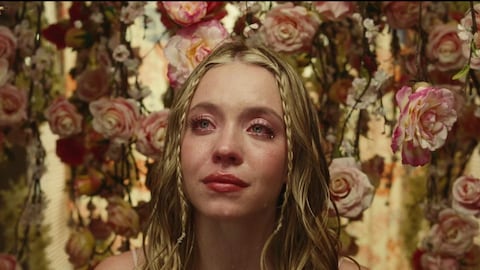
For far too long, women have been sold the same glossy little lie: stay pretty, stay poised, and whatever happens, stay unshaken. Keep your mascara flawless, your smile convincing, and your problems tucked neatly behind a well-lit selfie, because heaven forbid anyone sees you fall apart.
Somewhere between “that girl” morning routines, flawless selfies, and the constant pressure to look effortless no matter what life is throwing at us, we started believing that being beautiful meant always seeming okay. As though no matter how chaotic things felt behind the scenes, as long as your skin was glowing, your outfit was cute, and your Instagram looked good, nobody would notice you were barely holding it together.
But honestly, it is exhausting.
Acting like the breakup was mutual when it absolutely wrecked you. Saying “just busy” instead of admitting you are mentally drained. Convincing yourself you should have it all figured out because somehow everyone online looks like they do. For women, that pressure feels almost built in: be sensitive, but not messy. Be honest, but still attractive. Have emotions, just make sure they are tasteful.
In other words, go ahead and feel, just do not let it smudge your mascara. But that is exactly what is beginning to change.
The glossy ideal of the perfectly put-together woman is beginning to crack, and pop culture is reflecting that shift back at us. Across social media, the rise of burnout confessions, crying GRWMs, hot-mess honesty, and emotional oversharing points to something deeper than a fleeting aesthetic trend.
There is growing cultural comfort in admitting that healing is not always linear, confidence fluctuates, and strength does not always look polished. Sometimes, it looks like showing up anyway with shaky hands, puffy eyes, and last night’s mascara still clinging on.
Messy girls are having a pop culture moment
Pop culture, too, is moving away from pristine femininity in favour of something far more compelling: vulnerability you can actually see.
Few cultural moments capture this better than Zendaya’s portrayal of Rue in Euphoria, a character whose smeared glitter tears, emotional breakdowns, and full-blown chaos became iconic not because they were polished, but because they were painfully, unapologetically real. Rue was not captivating because she was composed. She was captivating because she was raw.
Crying in HD is the internet’s new favourite form of honesty
While India may not have TikTok, the cultural shift towards emotional openness is very much alive. Instagram Reels, candid YouTube vlogs, Snapchat overshares, and anonymous Reddit confessions have created space for women to drop the exhausting “I’m fine” act and admit something radical: sometimes, they are absolutely not fine. And strangely enough, that honesty feels powerful.
There is something deeply comforting about seeing women exist before the glow-up. Before the healing montage. Before the inspirational life lesson. Beauty can be polished, but it can also be exhausted. Beauty can be confident, but it can also be vulnerable. Maybe the real revolution is realising women were never meant to be emotionally airbrushed in the first place.
Why “pretty when I cry” hits so hard
Because it was never really about crying. It was about freedom. Freedom from the exhausting performance of seeming unbothered. Freedom from the idea that women must package pain neatly to remain beautiful, desirable, or socially acceptable.
For years, women were taught that beauty meant composure. But maybe beauty is something far more honest. Maybe it is showing up with red eyes and still refusing to disappear. Maybe it is being heartbroken and still worthy. Maybe it is understanding that falling apart does not make you less beautiful. It just makes you human.
Women are no longer aspiring to look untouched by life. We are finally embracing the fact that life touches us, changes us, breaks us, and rebuilds us. And honestly, that might be the prettiest thing yet.
Lead image: IMDb
Also read: Being nice is exhausting! Here's why being the bigger person isn’t always healthy
Also read: The surprising truths about Gen Z—the world’s favourite punching bag