
Why is the internet obsessed with doomed golden boys?
Because some characters are simply impossible not to root for.

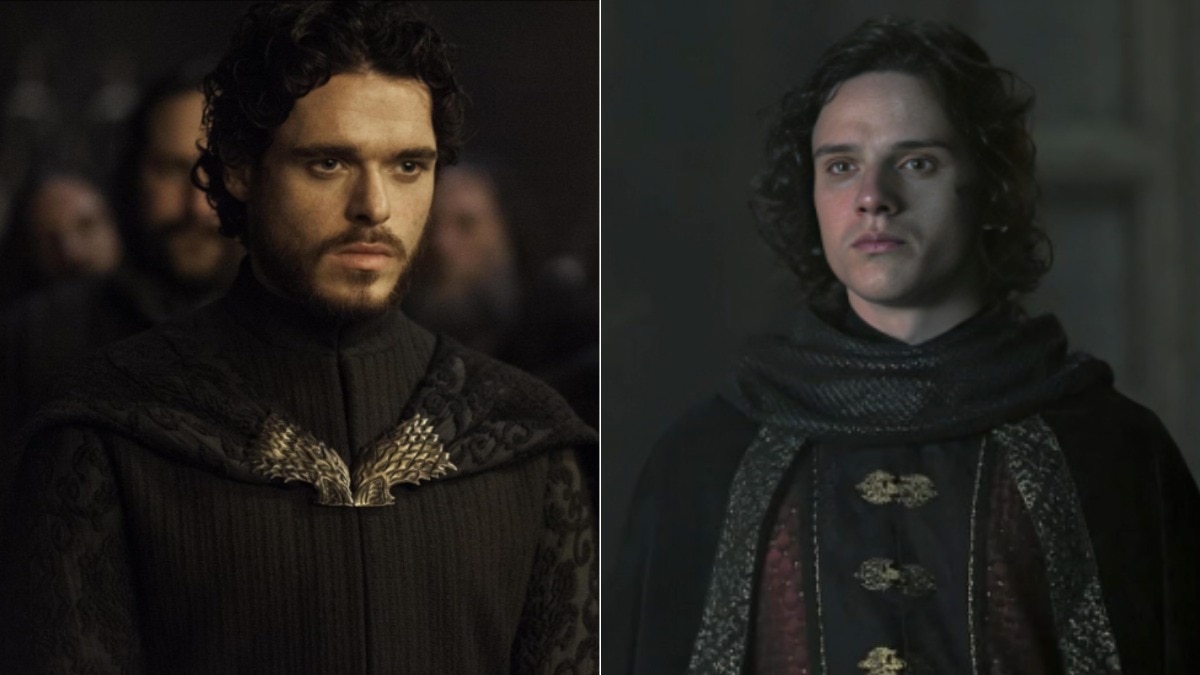
Every fandom has a golden boy. You know the type: the character everyone collectively adopts, defends, and roots for with alarming intensity. They are kind without being boring, brave without trying too hard, and somehow manage to remain hopeful even when the world around them is falling apart. They often represent the future that audiences want to believe in, which is exactly why losing them hurts so much.
And it seems the latest addition to this hall of fame is Jacaerys Velaryon, aka Prince Jace, from House of the Dragon.
Fair warning, spoilers ahead!
The first episode of season 3 gives us a heartbreaking farewell to Prince Jace, and the reaction online was almost immediate. Social media was filled with tributes, edits, and emotional posts calling him "the prince who never became king" from fans who felt genuinely devastated by his loss. It's worth noting that Jace was never the loudest or most dramatic character on the show. Nor was he the most powerful person in the room. And yet, his death seemed to hit fans especially hard.
That is because characters like Jace represent something bigger than themselves. They often symbolise hope and sheer perseverance. They are the people audiences believe could have changed things if they had only been given the chance.
And this pattern has been showing up across popular culture since time immemorial. Robb Stark from Game of Thrones might be the best example of this trope. He was young, fierce, honourable, and trying to do the right thing in a world where morality rarely paid off. Fans were not just invested in Robb as a character, but in the future of Winterfell and Westeros that he represented. And when his character died in the books and on the show, he took away that tiny glimmer of hope along with him, leaving fans heartbroken and devastated.
And this pattern has been showing up across popular culture for years. Robb Stark from Game of Thrones might be one of the clearest examples of the trope. Introduced as the eldest Stark son after Jon Snow, Robb was thrust into leadership long before he was ready for it. He wasn't perfect, but he consistently tried to be honourable in a world that rewarded cruelty, manipulation, and betrayal. He inspired loyalty, cared deeply for his family, and genuinely wanted to build a better future for the North. Fans were invested in Robb as a character because he represented the possibility that decency might actually win. And when Robb died, he took with him the future audiences had been rooting for, leaving fans heartbroken and disillusioned.
The same can be said for Cedric Diggory from the Harry Potter series. Introduced as Hogwarts' golden student, Cedric was everything a hero was supposed to be: talented, kind, fair, and widely respected. He was talented enough to become a Triwizard Champion, but never arrogant about it. He also treated Harry as an equal rather than a rival, and stood out in a story filled with flawed and morally grey characters because he was genuinely good. That's why his death remains one of the most shocking moments in the series. Cedric wasn't supposed to die, and that's exactly the point.
Then there is Finnick Odair from The Hunger Games. On paper, Odair could have easily been written as the stereotypical charming heartthrob. Instead, he became one of the franchise's most beloved characters because there was so much vulnerability beneath the confidence. Fans loved him because he remained caring and loyal despite everything he endured, and his death broke millions of hearts.
Even anime has its own version of the golden boy in Itachi Uchiha from Naruto. Unlike the others, Itachi's popularity grew as audiences learned more about his story. What initially appeared to be villainy turned out to be sacrifice. The more fans understood him, the more protective they became of him, and by the end of the series, he emerged as the character with zero haters.
What connects all these characters is not just that they are attractive, talented, or heroic. Plenty of fictional characters fit those descriptions. The difference is that golden boys often carry an emotional softness that connects with the audience. These characters care about other people, they make sacrifices, inspire loyalty, and most importantly, they remind us that goodness can exist even in the most difficult circumstances.
In stories full of chaos, betrayal, and heartbreak, these characters become the ultimate symbols of possibility. They make us believe things might work out, and when they don't, we feel the loss right alongside them.
Whether it is Jace, Robb, Diggory, Odair, or Itachi, one thing remains true: that the internet will always find a golden boy to love, and inevitably, grieve.
Lead image: IMDb
Also read: If you loved 'Off Campus', Netflix's 'Icebreaker' adaptation should be on your radar
Also read: From 'Office Romance' to 'Off Campus', audiences are choosing butterflies over plot twists
more from Life

Has Gen Z stopped raging at nightclubs?

Is the internet making reading cool again?

Are you afraid of your 30s?

Nine movies and shows to add to your watchlist right now

Need a book recommendation? Three authors share their favourite books to read next

Cosmopolitan India turns 30: revisiting our most iconic anniversary covers

Get knotty at Sevilla: The Claridges’ romantic restaurant made for date nights and proposals
“People are shaking and screaming to ‘release’ trauma–so, after years of talking therapy, I tried it too”

Which Cosmo girl are you?

The new rules of wearing a shirt, according to fashion insiders