

Everything you need to know about dark spots before you try to fade them
Because you can’t treat discolouration until you know what type you have.

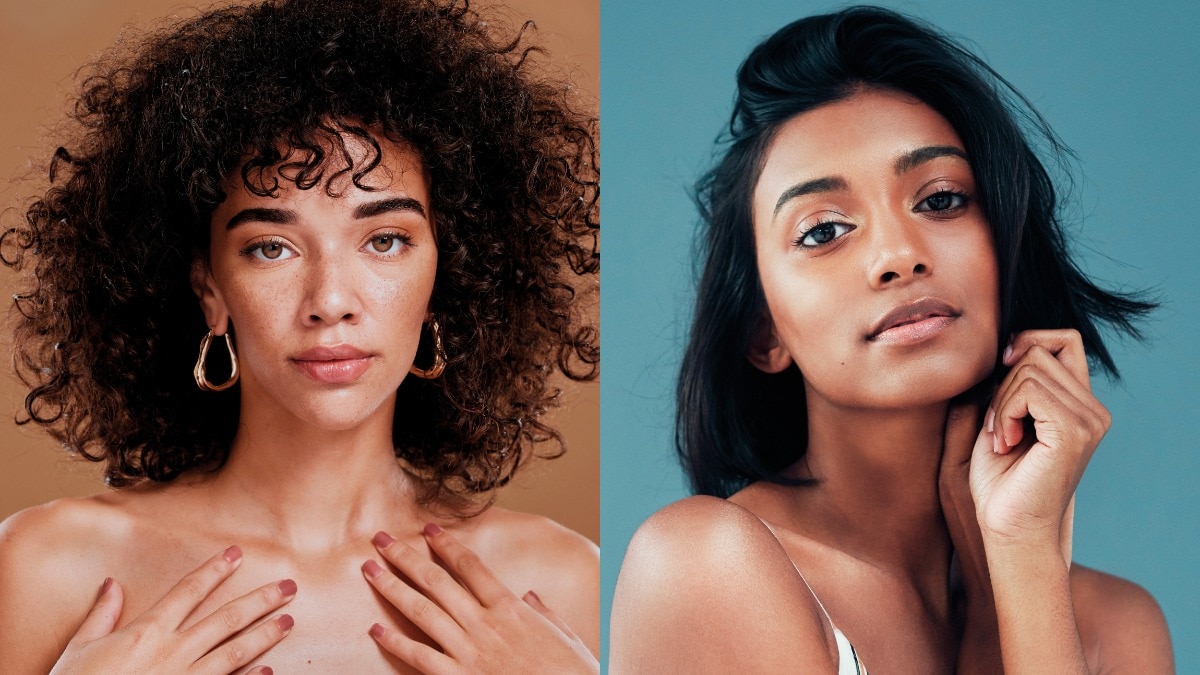
You know discolouration as the dark spots that creep up out of nowhere to camp out on your face. They’re very common and totally normal, but they can also be extremely stubborn—and frustrating. Which is why, if you’d like to treat yours, you need this comprehensive info. Here’s how to kick ’em out for good.
Melasma
What it looks like
It shows up as brownish or greyish patches that appear most often on your cheeks, nose, chin, forehead, or the area above your upper lip, says dermatologist Uchenna Okereke, MD.
Why it happens
Sun exposure and hormones, mostly—hence why you may hear melasma called a “sunstache” or a “pregnancy mask.” Other culprits include birth control pills, inflammation, excessive heat, and genetics.
Who gets it
About 90 per cent of people with melasma are women, mostly in their 20s to 40s, says Dr Okereke. And “people with darker skin tones have more active melanin producing cells in their skin, making them more prone to melasma.” (Melanin, FYI, is the thing that gives colour to your skin and hair).
Your DIY Game Plan
“It’s all about building a routine for your skin type and the kind of hyperpigmentation you have, and then being consistent with that routine,” says dermatologist Shari Marchbein, MD. That starts with being religious about these four steps:
Step 1
Cleanse
Ditch the harsh scrubs and stripping washes (reminder: Inflammation can trigger hyperpigmentation) for a gentle, sulphate-free option.
TRY Dot & Key Barrier Repair + Hydrating Gentle Face Wash, ₹375
Step 2
Treat
This is where your serums with active ingredients (like vitamin C, retinol, and niacinamide) come into play. For melasma:
TRY The Derma Co. 10% Niacinamide Face Serum, ₹849 for PIH and sun spots
TRY Asaya Advanced Spot Targeting Serum, ₹799
Step 3
Moisturise
Hydrated skin is happier and healthier, and has a stronger skin barrier, all of which are key to minimise hyperpigmentation. Keep things simple—and effective—with a lightweight lotion that has hyaluronic acid and ceramides. They’ll draw moisture to your skin and lock it in for hours.
TRY CeraVe Moisturising Lotion, ₹1,100
Step 4
Protect
If you’re not committed to daily sunscreen, whatever else you’re doing to treat your hyperpigmentation is pointless, since UV is one of its main causes. “Find a formula you like that’s got SPF 30 or more and stick to it,” says dermatologist Jennifer David, DO.
TRY La Roche-Posay Anthelios UVMUNE400 Invisible Fluid SPF50+, ₹1,400
The most common causes of dark spots are sun exposure, physical injury (cuts, bruises, picking at your zits), and genetics (ty, Mom and Dad!).
Post-Inflammatory Hyperpigmentation (PIH)
What it looks like
Dark spots, streaks, or lingering marks that show up exactly where your skin has been irritated, inflamed, or injured—think acne scars, bug bites, rashes, or eczema flare-ups—says dermatologist Jason Emer, MD.

Why it happens
The clue is in the name. When your skin experiences trauma, it triggers inflammation, which can cause melanin to be overproduced or unevenly distributed. That excess pigment is what leaves behind a visible mark long after the original issue has healed, explains dermatologist Jennifer David, DO.
Who gets it
PIH is more common in people of colour, particularly those with sensitive or acne-prone skin, but it can affect anyone, says Dr David. The more inflammation your skin goes through, the higher your chances of seeing these spots stick around.
Sun Spots
What they look like
Small tan or brown spots—usually about the size of a pencil eraser—that pop up on areas exposed to the sun most often, like your face, chest, shoulders, and hands, says Dr David.
Why they happen
They’re the result of cumulative sun exposure over time. That includes both intense UV exposure (hello, beach holidays) and everyday, incidental exposure—like walking to work or sitting by a window while driving. Over the years, all that unprotected sun adds up, and these spots can start appearing as early as your 20s.
Who gets them
People with lighter skin tones are at a higher risk, but anyone who skips regular sunscreen use can develop sun spots, regardless of skin colour.
Images: Shutterstock
This article first appeared in Cosmopolitan India's November-December 2025 print edition.
Also read: Can a beauty founder afford to look ‘unbeautiful’?
Also read: What your skincare routine secretly says about your attachment style
Comment
more from Beauty

Glow, minus the layers: Ankush Bahuguna is making a strong case for skin-first makeup

U-bangs are about to be everywhere this spring, here's everything you need to know about the trending haircut

Your ultimate SPF wardrobe decoded for every skin mood

Take space, but keep it soft with the art of warm distance

How to eat protein 'the right way': The truth about 'high-protein' supermarket foods, by a nutritionist

Planning your first safari as a couple? Start here

Check in. Breathe out. Do better.

Why everyone in China suddenly has Kris Jenner as their profile picture?

‘Just eat the burger’: How skinny jabs are quietly reshaping our friendships

"Can't afford therapy? 5 ways I improved my mental health myself"