

Your haircare routine is getting a science-backed upgrade
From figuring out what your scalp actually needs to embracing your natural hair texture, P&G Global’s Freddy Bharucha and David Khoo on why the future of haircare is about getting smarter with what we use.

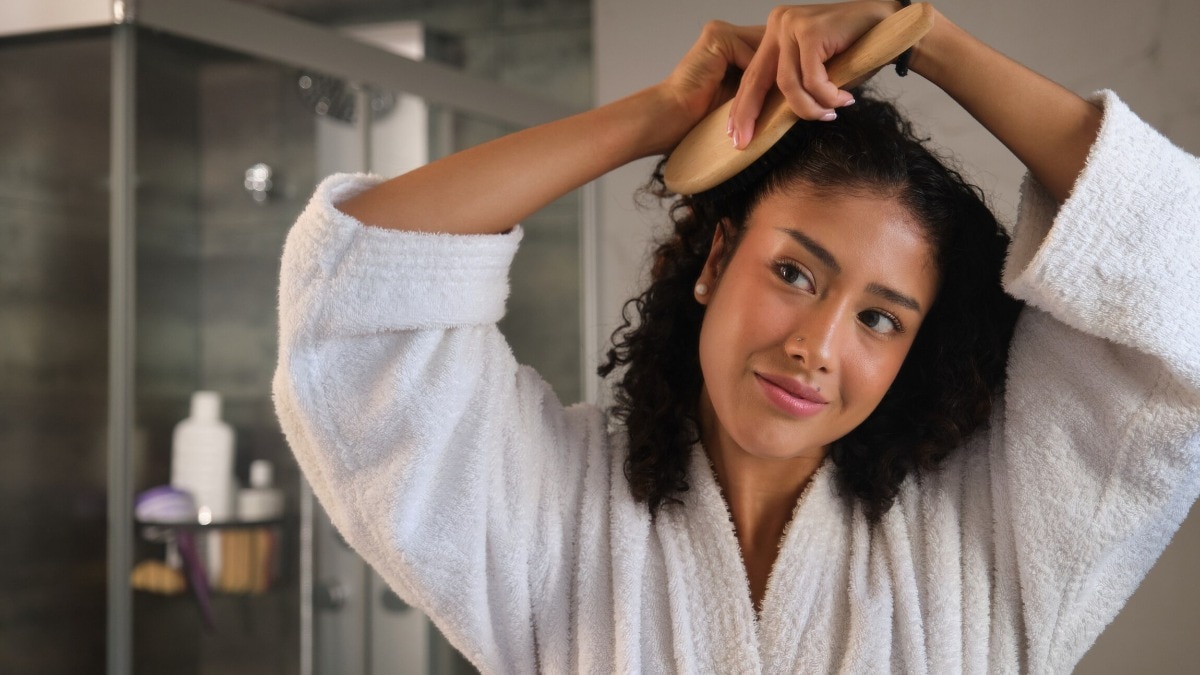
Our relationship with our hair is constantly evolving. One day, we're experimenting with a new haircut; the next, we're trying to figure out whether our scalp needs a little more attention. Between heat styling, hair colour, treatments, and the endless stream of beauty recommendations on social media, haircare has become a lot more personal.
But with so many products promising everything from stronger strands to a healthier scalp, how do we know what actually works? And how much of the science behind our favourite shampoos and treatments do we really understand?
As consumers become more experimental with their hair and increasingly curious about ingredients, the haircare industry is seeing a shift towards more personalised solutions. We spoke to Freddy Bharucha, chief executive officer of P&G Global Beauty, and David Khoo, principal scientist and director of scientific communications at P&G Global, about changing consumer habits, the science behind haircare, and what the future holds for the industry.
How has the beauty consumer evolved, and what are the biggest shifts in haircare?

Haircare is no longer just about keeping your hair clean. From heat styling and experimenting with different hairstyles to travelling, swimming, and spending more time in the sun, our habits are changing the way we care for our hair.
According to Bharucha, consumers are becoming increasingly expressive and using more products to experiment with their appearance. These activities, however, can also contribute to hair damage and, in some cases, affect scalp health.
At the same time, expectations from beauty products are changing. Consumers want efficacy, but they also want a good experience. They are becoming more discerning about the products they choose and increasingly interested in understanding the technologies, ingredients, and chemistry behind them.
Social media has also transformed the way people discover beauty products. While it has made information and recommendations more accessible, it has also created an overwhelming amount of content to navigate.
Khoo points out that although consumers now have access to an enormous range of beauty products, they don't always receive enough scientific information to understand what goes into them. There is only so much detail that can be communicated through short-form content.
One of the more encouraging developments, however, is the growing acceptance of natural hair textures. Whether you have curly hair or fine hair, the focus is increasingly on understanding and optimising your natural hair rather than trying to change it into something else.
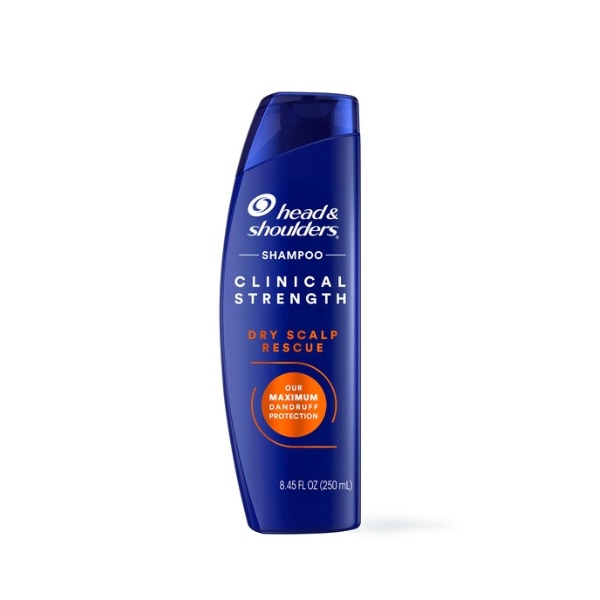
As we become more aware of scalp health, is the conversation around dandruff changing?
Dandruff is one of those haircare concerns that can quickly become frustrating. You switch shampoos, try different treatments, and sometimes find yourself right back where you started.
But according to Bharucha, understanding dandruff requires looking at three important factors: whether you actually have dandruff or another scalp concern, how severe it is, and what your scalp type is.
A mild dandruff concern may not require the same solution as a severe one. Similarly, an oily, dry, normal, or damaged scalp can have different needs. Understanding these differences can help consumers identify solutions suited to their individual concerns.
Bharucha also notes that consumers are becoming more educated about these distinctions through doctors, dermatologists, and even AI-powered platforms.
The conversation is also expanding to include the possible relationship between dandruff and hair fall. Consumers are increasingly looking at scalp health more holistically rather than treating dandruff as an isolated concern.
However, Khoo believes there is still significant room for awareness to grow. He describes a frustration loop in which consumers may find medicated anti-dandruff shampoos effective but unpleasant to use, making consistent use difficult. On the other hand, cosmetic shampoos may offer a pleasant fragrance and experience without being effective enough for their concerns.
This raises an important question for the industry: how can haircare products deliver the results consumers need while still being enjoyable to use? Formulation, efficacy, and the overall product experience all play a role in finding that balance.
What are the biggest opportunities for beauty as consumers become more informed about science and ingredients?
If you've ever found yourself reading the ingredients list on a shampoo bottle or searching for a product review before adding it to your cart, you're not alone. As consumers become more interested in the science behind beauty products, the industry is also facing a new challenge: making that science easier to understand.
For Bharucha, the opportunity lies not only in developing the next generation of molecules and technologies but also in communicating their benefits in a way that is simple, clear, and credible. Consumers may not have the time to sit through a detailed explanation of biology or understand every aspect of a formulation. What they want to know is whether a product works, what it does, and why it might be right for them.
Khoo adds that consumers need to develop a more discerning approach to beauty claims. A product may appear scientific without necessarily being backed by rigorous research. He also points out that AI tools can help consumers examine the quality of the science supporting a product, provided they ask the right questions. When searching for a new shampoo or skincare product, asking whether a claim is backed by credible research can encourage a more critical evaluation.
In a beauty landscape where new launches and ingredient trends are constantly competing for our attention, understanding the science behind a product could become just as important as discovering it in the first place.
What excites you about the future of haircare, and where is there still room to innovate?
For Bharucha, one of the most exciting developments is the growing awareness among Indian consumers. As people become more educated about beauty science, they are also becoming less willing to settle for products that don't meet their expectations.
Another important shift is the way both women and men are using their hair as a form of self-expression. From colour and length to perms and different styles, consumers are experimenting more while becoming increasingly aware of how to prevent and manage the damage that can come with these choices.
Bharucha also sees significant potential in ingredients and technologies such as proteins, lipids, keratin, and deep-penetrating vitamins. He believes there is more work to be done in communicating how these ingredients can address different types of hair damage and deliver the results consumers are looking for.
Scalp health, dandruff, hair damage, hair fall, and hair growth are also areas where he sees opportunities for further innovation, particularly as consumers begin to consider the long-term health of their hair and scalp.
Khoo, meanwhile, points towards some of the more complex challenges in hair transformation, including grey hair, baldness, and heavily damaged hair. These are areas where treatments need to address not only significant damage but also the effects of repeated damage.
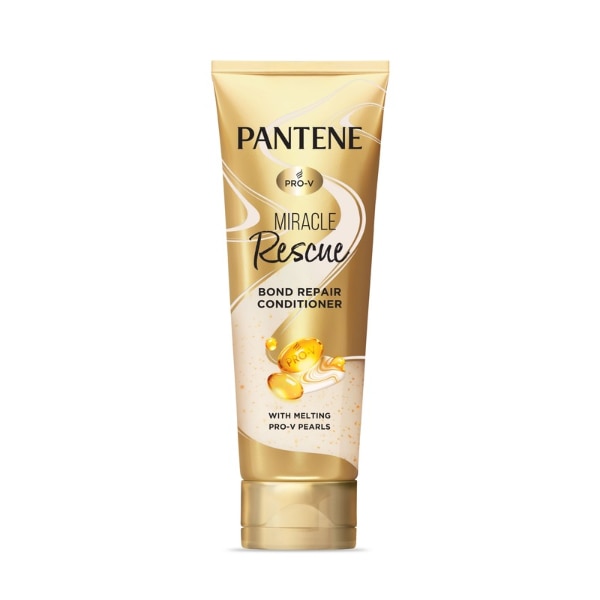
He also highlights the growing interest in bond repair, an area of haircare science that focuses on addressing damage at the structural level of the hair. As consumers experiment more with chemical treatments, colouring, and heat styling, solutions that help manage cumulative damage are likely to become increasingly relevant.
How important is local consumer understanding when bringing global beauty innovations to India?
A beauty product that works well in one market may not necessarily meet the needs of consumers in another. And when it comes to haircare, local habits, preferences, and expectations can make a significant difference.
Bharucha believes that understanding consumers at a country and even city level is fundamental to making beauty innovations relevant. While biology and chemistry may have certain commonalities, the way consumers use products, experience them, and respond to them can vary.
This means adapting innovations to local needs, whether that involves the formulation, fragrance, product experience, or expectations shaped by the market.
Khoo echoes this, pointing out that Indian consumers have distinct haircare habits. From how frequently they shampoo their hair to the home remedies they use, including coconut oil and neem, local practices play an important role in shaping their routines.
The conversation also extends to skincare. Khoo refers to a multi-ethnic study conducted by the company that included 250 women from each of five ethnicities, including Indian women. The study examined how skin ages across different ethnicities and age groups.
According to Khoo, one of the findings was that Indian skin across different age groups showed an unusually weak skin barrier. He also highlights how pollution exposure in Indian cities can contribute to skin ageing, particularly when the skin barrier is less able to withstand exposure to free radicals.
He points towards ingredients with antioxidant properties and those that help strengthen the skin barrier as important considerations.
Ultimately, beauty innovation needs to be relevant to the people using it. Understanding local consumers is not simply about adapting a global product; it is about recognising the habits, concerns, and expectations that make their beauty routines unique.
The future of haircare is about understanding your own hair
The way we approach haircare is changing. We are becoming more experimental with our hairstyles, more aware of our scalp health, and more curious about the science behind the products we use.
But perhaps the most important shift is the move towards understanding our individual needs. Whether it is finding the right solution for dandruff, managing damage from styling, or embracing our natural hair texture, the conversation is becoming more personal.
And while there is no one-size-fits-all approach to haircare, being a little more informed about what our hair and scalp actually need could be the most useful beauty upgrade of all.
Lead image: The Brands
Also read: All the beauty must-haves that we added to cart this October
Also read: Beyond the metros: Smaller cities drive over half of Amazon’s festive fashion and beauty orders
Comment
more from Beauty

The blurred ’90s lip is back, and it’s a lot softer this time

All the beauty must-haves that we added to cart this October
Slay and stay hydrated with makeup that moisturises

Signature lip combos for every makeup mood

At Athiva Pulse, a good stay comes with a better wellness routine

The Lalit launches a book celebrating queer stories and the power of belonging
#SaneGirlEra: How to survive the insufferable relatives this Diwali?

Proof that no one does Halloween like Orry

The Do’s and Don’ts of holiday gifting rules: who gets a present, a voucher, or absolutely nothing

Wait, there's a word for that? 10 lesser-known sexualities to know about