
Queer stories are finally getting their happy endings, and we love to see it
After years of being defined by loss and secrecy, queer stories today are finally getting their long due happy endings.

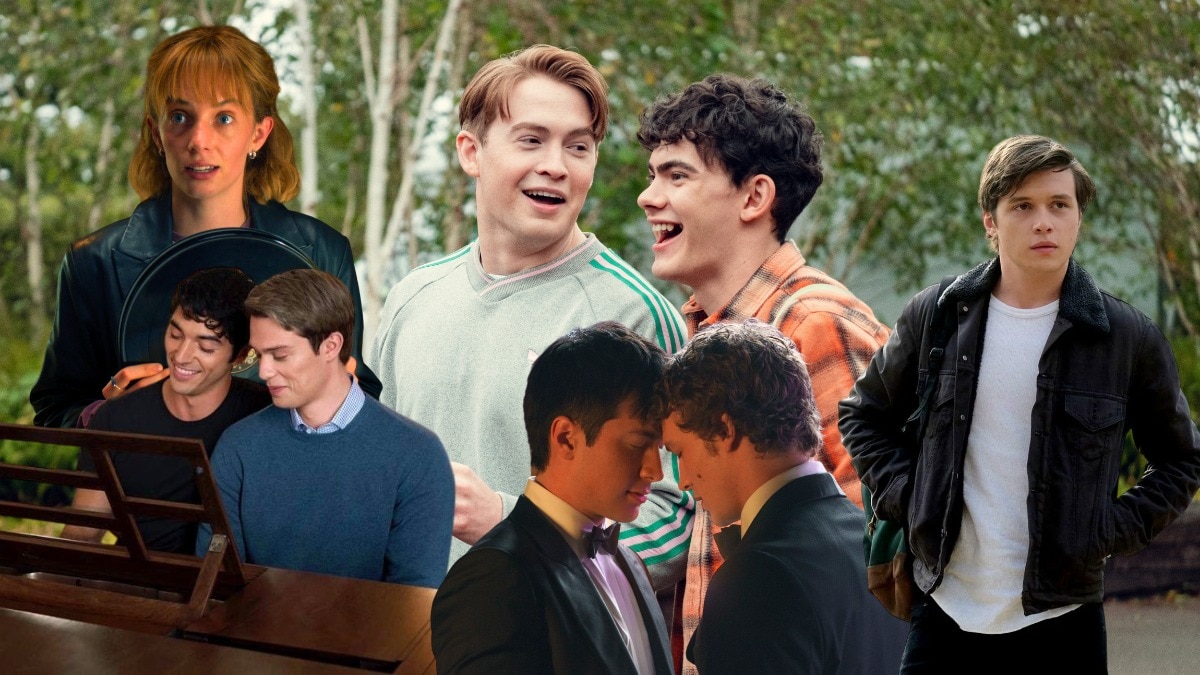
For a long time, queer stories on screen came with an unspoken rule: happiness was never guaranteed. Characters were forced to hide who they were, relationships ended in heartbreak, and happy endings felt frustratingly out of reach. Whether it was films, television shows, or even mainstream romances, queer characters often existed to suffer. Their stories were important, but they were rarely allowed the dreamy happily-ever-afters that straight characters always received without question.
Today, some of the most beloved queer films and shows are succeeding for a different reason. They're not just telling stories about pain or acceptance; they're allowing queer characters to be messy, romantic, ambitious, funny, and, most importantly, happy. Audiences have embraced stories where queer people get to fall in love, build meaningful lives, and enjoy the same kind of hopeful endings that have long been a staple of mainstream romance.
Moving beyond the "bury your gays" era
For decades, queer representation was shaped by restrictions, stereotypes, and a lack of acceptance. Even when LGBTQIA+ characters appeared on screen, their stories were either misused for comic relief or ended in tragedy. This became so common that viewers coined the term "bury your gays" to describe the pattern of queer characters being killed off or denied happy endings.
While stories about struggle and discrimination remain important, many viewers have grown tired of seeing queer lives reduced to pain and suffering. The demand today is for fuller, more balanced storytelling. People want to see queer characters experience joy alongside challenges, just as straight characters always have.
Love stories that remain love stories
One of the clearest signs of this shift is the success of queer romcoms and romances. Red, White & Royal Blue became a global hit because it was a swoony, unapologetically romantic love story between the son of the US President and a British prince. Adapted from Casey McQuiston's bestselling novel, the film embraced all the familiar pleasures of the romcom genre—grand gestures, witty banter, secret longing, and a happily-ever-after, while placing a queer couple at its centre, without their sexuality becoming the source of the story's tragedy.
More recently, Heated Rivalry captured audiences with its emotional romance between hockey rivals Shane Hollander and Ilya Rozanov. Based on Rachel Reid's beloved novel, the series follows the pair's secret relationship over nearly a decade as they navigate ambition, fame, and the pressures of professional sport. Instead of treating being queer as a source of misery, the series centres on intimacy, longing, love, and the possibility of a future together, while still acknowledging the challenges of being closeted in a hyper-masculine environment.
The rise of queer joy is not limited to romance either. Some of the most recent examples include characters whose identities are important, but it's not their entire storyline. Take Robin Buckley from Stranger Things: her coming-out story was emotional and relatable, but the show didn't stop there. Robin became a fully realised character with friendships, humour, awkward crushes, and eventually a sweet connection with Vickie. Instead of being defined solely by her sexuality, she was allowed to be wonderfully weird and completely herself.
Similarly, shows like Heartstopper have become cultural phenomena because they centre friendship, self-discovery, first love, and hope rather than treating queer identity as a source of inevitable suffering. While the series doesn't shy away from issues like bullying, mental health, and coming out, its defining quality is its optimism and tenderness. A similar appeal helped make Love, Simon such a milestone. As one of the first major studio teen romcoms centred on a gay protagonist, it gave audiences a familiar coming-of-age story complete with awkward crushes, friendship drama, and a heartfelt romantic ending.
Why queer joy matters
Representation has never been just about visibility, but a lot more than that. Seeing queer characters find love, build families, achieve goals, and imagine a future sends a powerful message to viewers who may not have grown up seeing themselves reflected on screen. For years, queer characters were asked to just survive. But some of today's most popular films and TV shows are finally letting them thrive.
That's why the rise of queer joy feels so significant. These stories aren't ignoring reality, but are just showing that everyone deserves a happy ending. They remind audiences that queer lives contain the same range of emotions as anyone else's, including laughter, romance, comfort, and celebration.
Lead image: IMDb, Netflix
Also read: If you loved 'Off Campus', Netflix's 'Icebreaker' adaptation should be on your radar
Also read: From 'Office Romance' to 'Off Campus', audiences are choosing butterflies over plot twists
more from Life

Has Gen Z stopped raging at nightclubs?

Is the internet making reading cool again?

Are you afraid of your 30s?

Nine movies and shows to add to your watchlist right now

Need a book recommendation? Three authors share their favourite books to read next

Cosmopolitan India turns 30: revisiting our most iconic anniversary covers

Get knotty at Sevilla: The Claridges’ romantic restaurant made for date nights and proposals

“People are shaking and screaming to ‘release’ trauma–so, after years of talking therapy, I tried it too”

Which Cosmo girl are you?

The new rules of wearing a shirt, according to fashion insiders